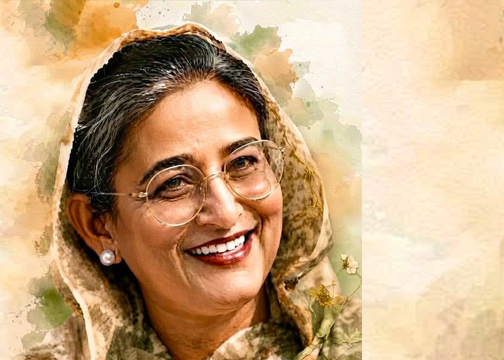
বাংলাদেশের রাজনৈতিক দৃশ্যপটে সাবেক প্রধানমন্ত্রী শেখ হাসিনার সাম্প্রতিক বক্তব্য ও ভারতে তার অবস্থানকে কেন্দ্র করে ঢাকা-দিল্লি দ্বিপাক্ষিক সম্পর্কে তৈরি হয়েছে এক নতুন মনস্তাত্ত্বিক টানাপোড়েন। একদিকে ডিসেম্বরের মধ্যেই নিজ দেশে ফেরার সুনির্দিষ্ট ঘোষণা, অন্যদিকে বিএনপির নেতৃত্বাধীন বর্তমান সরকারের নীতি, অর্থনৈতিক সিদ্ধান্ত ও আঞ্চলিক নিরাপত্তা নিয়ে কঠোর সমালোচনা—সব মিলিয়ে এই প্রেক্ষাপট দক্ষিণ এশীয় ভূ-রাজনীতিকে এক চরম অনিশ্চয়তার মুখে ঠেলে দিয়েছে।
১. সাক্ষাৎকার ও টাইমলাইন: নতুন মেরুকরণ
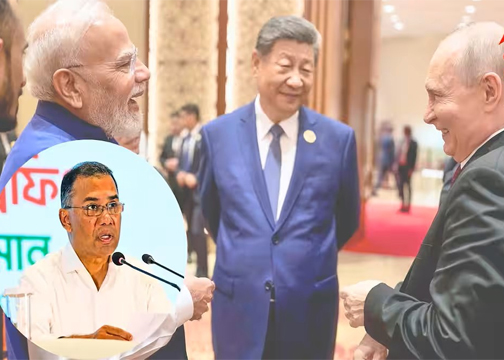
সম্প্রতি ভারতের শীর্ষস্থানীয় দুই সংবাদমাধ্যম ‘দ্য প্রিন্ট’ এবং ‘হিন্দুস্থান টাইমস’-এ প্রকাশিত পৃথক সাক্ষাৎকারে সাবেক প্রধানমন্ত্রী শেখ হাসিনা বর্তমান বাংলাদেশের অন্তর্বর্তীকালীন রাজনৈতিক চালচিত্র ও তারেক রহমানের নেতৃত্বাধীন সরকারের ভূমিকার কড়া সমালোচনা করেছেন। এমন এক সময়ে সাক্ষাৎকার দুটি প্রকাশ্যে এলো, যার ঠিক একদিন আগেই (১ সেপ্টেম্বর) বাংলাদেশের পররাষ্ট্র প্রতিমন্ত্রী হুমায়ুন কবির জানান, প্রধানমন্ত্রী তারেক রহমানের আসন্ন নয়াদিল্লি সফর নিয়ে দুই দেশের কূটনৈতিক আলোচনা গতি ফিরে পেয়েছে।
এর আগে, গত ৫ আগস্ট দিল্লিতে শেখ হাসিনার প্রথম অডিও বার্তা প্রকাশ ও সাংবাদিকদের মুখোমুখি হওয়ার ঘটনাকে কেন্দ্র করে দুই দেশের সম্পর্কে সাময়িক শৈথিল্য দেখা দিয়েছিল। সেই বরফ যখন গলতে শুরু করেছিল, ঠিক তখনই এই সাক্ষাৎকারের ঝড় কূটনৈতিক সমীকরণকে ফের জটিল করে তুলেছে।
২. চ্যালেঞ্জ, আইনি যুক্তি ও প্রত্যাবর্তনের প্রতিশ্রুতি
ভারতীয় সংবাদমাধ্যমের প্রশ্নে শেখ হাসিনা স্পষ্ট জানান, তিনি রাজনৈতিক সমঝোতা নয়, বরং আইনি ও সামাজিক লড়াইয়ের মাধ্যমেই দেশে ফিরবেন। ডিসেম্বরের মধ্যে বাংলাদেশে ফেরার প্রতিশ্রুতি পুনর্ব্যক্ত করে তিনি বলেন, আন্তর্জাতিক অঙ্গনে সংবাদ সম্মেলন করা বা রাজনৈতিক মতামত ব্যক্ত করা দ্বিপাক্ষিক সম্পর্কের ক্ষেত্রে সমস্যার কারণ হতে পারে না।
তিনি উল্টো প্রশ্ন তোলেন, ২০০৭ সালের ১/১১ পরবর্তী সময়ে তারেক রহমান যুক্তরাজ্যে অবস্থানকালে যে রাজনৈতিক কর্মকাণ্ড পরিচালনা করেছিলেন, তাতে তৎকালীন আওয়ামী লীগ সরকার কি বাধা দিয়েছিল? তবে প্রত্যর্পণকে কেন ঢাকা-দিল্লি দ্বিপাক্ষিক সম্পর্কের পূর্বশর্ত করা হচ্ছে?
৩. জাতীয় সংকট, চরমপন্থা ও আঞ্চলিক নিরাপত্তা
দেশের বর্তমান পরিস্থিতিকে ‘জাতীয় সংকট’ হিসেবে উল্লেখ করে সাবেক এই প্রধানমন্ত্রী দাবি করেন, এটি কেবল কোনো একক দলের সংকট নয়। অর্থনৈতিক মন্দা, বিদ্যুৎ ও গ্যাসের ঘাটতি, চরমপন্থার পুনরুত্থান এবং বিচারবহির্ভূত সহিংসতার বিষয়ে উদ্বেগ প্রকাশ করেন তিনি। আন্তর্জাতিক নিরাপত্তা পরিষদের সাম্প্রতিক রিপোর্টের বরাতে তিনি সতর্ক করেন, বাংলাদেশে চরমপন্থী গোষ্ঠীগুলোর নিরাপদ আশ্রয় তৈরি হলে তার আঁচ ভারত, মিয়ানমার এবং সমগ্র বঙ্গোপসাগরীয় আঞ্চলিক স্থিতিশীলতার ওপর পড়বে। একই সঙ্গে দেশের অর্থনৈতিক সংকটের মধ্যেও চীনের কাছ থেকে ২.৩ বিলিয়ন ডলারের চুক্তিতে যুদ্ধবিমান কেনার যৌক্তিকতা নিয়েও তিনি প্রশ্ন তোলেন।
৪. ঢাকা ও দিল্লির কৌশলগত অবস্থান
বাংলাদেশ সরকারের পক্ষ থেকে প্রত্যর্পণের জোরালো দাবি থাকলেও, কূটনৈতিক পর্যবেক্ষকদের মতে ঢাকা বাস্তবে শেখ হাসিনার দ্রুত প্রত্যাবর্তনে কতোটা প্রস্তুত—তা নিয়ে গুঞ্জন রয়েছে। সাবেক প্রধানমন্ত্রীর প্রত্যাবর্তন বর্তমান সরকারের জন্য বড় রাজনৈতিক চ্যালেঞ্জ তৈরি করতে পারে।
অন্যদিকে, দিল্লির কূটনৈতিক সূত্রগুলো ইঙ্গিত দিচ্ছে, ভারতীয় সংবাদমাধ্যমে শেখ হাসিনার কথা বলার সুযোগ পাওয়া মূলত বাংলাদেশের বর্তমান সরকারকে দেওয়া একটি পরোক্ষ কূটনৈতিক বার্তা। ভারতের পক্ষ থেকে বোঝানো হচ্ছে, শেখ হাসিনা নিজে থেকে দেশে ফিরতে চাইলে প্রত্যর্পণের বিষয়টি আর প্রাসঙ্গিক থাকে না।
জাতিসংঘের সাধারণ পরিষদের সম্মেলনের পর তারেক রহমানের বহুল আলোচিত দিল্লি সফর বাস্তবায়িত হয় কি না, এবং দুই দেশের বাণিজ্য ও জ্বালানি সহযোগিতা আগের ধারা বজায় রাখতে পারে কি না—তা-ই এখন দেখার বিষয়। সাবেক প্রধানমন্ত্রীর এই মারমুখী রাজনৈতিক অবস্থান ও আঞ্চলিক নিরাপত্তার হুশিয়ারি ঢাকা-দিল্লি সম্পর্কের গতিপথকে কোন দিকে নিয়ে যায়, সেদিকেই নজর রাখছে পুরো দক্ষিণ এশিয়া।
লেখক: ড. আবুল হাসনাৎ মিল্টন,সাংবাদিক, রাজনৈতিক বিশ্লেষক ও প্রধান সম্পাদক, দ্যা সোর্স নিউজ বাংলা (The Source News Bangla)
Former Prime Minister Sheikh Hasina's recent statements and her presence in India have created a new psychological tension in Dhaka-Delhi bilateral relations within Bangladesh's political landscape. On one hand, there is a specific announcement of her return to her home country by December; on the other, there is sharp criticism of the BNP-led government's policies, economic decisions, and regional security—collectively pushing South Asian geopolitics into extreme uncertainty.
1. Interviews and Timeline: A New Polarization
In separate interviews recently published in two leading Indian news outlets, The Print and Hindustan Times, former Prime Minister Sheikh Hasina harshly criticized Bangladesh's current interim political landscape and the role of the government led by Tareq Rahman. These interviews surfaced just one day after Bangladesh's State Minister for Foreign Affairs, Humayun Kabir, stated on September 1 that diplomatic discussions regarding Prime Minister Tareq Rahman's upcoming New Delhi visit had regained momentum.
Earlier, the release of Sheikh Hasina's first audio message and her interaction with journalists in Delhi on August 5 caused a temporary chill in bilateral ties. Just as that ice was beginning to thaw, the storm surrounding these interviews rendered diplomatic equations complex once again.
2. Challenges, Legal Arguments, and the Promise of Return
Responding to questions from the Indian media, Sheikh Hasina made it clear that she will return home not through political compromise, but through a legal and social struggle. Reassuring her pledge to return to Bangladesh by December, she argued that holding press conferences or expressing political views in the international arena should not pose a problem for bilateral relations.
She countered with a question: Did the then Awami League government obstruct the political activities conducted by Tareq Rahman while he resided in the UK following 1/11 in 2007? Why, then, is extradition being made a prerequisite for Dhaka-Delhi bilateral relations?
3. National Crisis, Extremism, and Regional Security
Describing the country's current situation as a "national crisis," the former Prime Minister claimed it is not merely a crisis for a single political party. She expressed concern over the economic slowdown, power and gas shortages, the resurgence of extremism, and extrajudicial violence. Citing a recent report by the International Security Council, she warned that if extremist groups find a safe haven in Bangladesh, its impact will affect the stability of India, Myanmar, and the entire Bay of Bengal region. Simultaneously, amid the national economic crisis, she questioned the rationale behind signing a $2.3 billion agreement to purchase fighter jets from China.
4. Strategic Positions of Dhaka and Delhi
Although the Bangladesh government has made strong demands for extradition, diplomatic observers suggest there are rumors regarding how prepared Dhaka actually is for Sheikh Hasina's swift return. The former Prime Minister's return could pose a major political challenge for the present government.
On the other hand, diplomatic sources in Delhi indicate that Sheikh Hasina's access to speak in the Indian media is essentially an indirect diplomatic message to Bangladesh's current government. India is signaling that if Sheikh Hasina wishes to return to her country on her own, the issue of extradition becomes irrelevant.
All eyes are now on whether Tareq Rahman's highly discussed Delhi visit materializes after the UN General Assembly session, and whether bilateral trade and energy cooperation can maintain their previous trajectory. Entire South Asia is watching closely to see where this aggressive political stance of the former Prime Minister and her warning regarding regional security will lead the trajectory of Dhaka-Delhi relations.
Author: Dr. Abul Hasnat Milton, Journalist, Political Analyst, and Editor-in-Chief, The Source News Bangla