
কৌশলগত ভ্রান্তি ও অস্তিত্বের লড়াই: ইরান যুদ্ধে ‘বাঘের পিঠে’ যুক্তরাষ্ট্র
দীর্ঘদিন ধরে মার্কিন ভূ-রাজনৈতিক কৌশল নির্ধারণে একটি প্রচলিত ধারণা হলো—কিউবা বা ইরানের মতো মধ্যম সারির শক্তিগুলোকে সামরিক বা অর্থনৈতিক চাপের মুখে নতি স্বীকারে বাধ্য করা সম্ভব। যুক্তরাষ্ট্রের নীতিনির্ধারকরা সর্বাত্মক যুদ্ধের ঝুঁকি এড়াতে মূলত ‘ধাপে ধাপে সামরিক চাপ বৃদ্ধি’ (Gradual Escalation)-এর কৌশল অবলম্বন করে থাকেন। তাদের ধারণা, ক্রমবর্ধমান চাপের মুখে প্রতিপক্ষ একপর্যায়ে তাদের শর্ত মেনে নেবে—তা সে অস্ত্র কর্মসূচি বাতিল হোক বা হরমুজ প্রণালির মতো গুরুত্বপূর্ণ নৌরুট উন্মুক্ত রাখাই হোক। তবে ইতিহাস এবং যুক্তরাষ্ট্রের থিংকট্যাংক ‘কাউন্সিল অন ফরেন রিলেশনস’-এর বিশ্লেষক রে তাকেহ-এর মতে, এই কৌশল বাস্তবে বারবার ব্যর্থ হয়েছে।
মার্কিন সামরিক কৌশলে এই নীতির গোড়াপত্তন হয় ১৯৬০-এর দশকে। তৎকালীন মার্কিন প্রতিরক্ষামন্ত্রী রবার্ট ম্যাকনামারা এবং তার উপদেষ্টামণ্ডলী বিশ্বাস করতেন, ধীরে ধীরে সামরিক চাপ বাড়ালে উত্তর ভিয়েতনাম আলোচনার টেবিলে বসতে বাধ্য হবে। কিন্তু এই তত্ত্বের সবচেয়ে বড় দুর্বলতা ছিল প্রতিপক্ষের ‘সহনশীলতা’ ও ‘মানিয়ে নেওয়ার ক্ষমতা’কে অবমূল্যায়ন করা। বাস্তবে দেখা গেছে, সামরিক আগ্রাসন প্রতিপক্ষ সরকারকে দুর্বল করার বদলে বরং জাতীয়তাবাদী আবেগকে উসকে দিয়ে জনগণকে আরও ঐক্যবদ্ধ করে তোলে। ভিয়েতনাম যুদ্ধে যুক্তরাষ্ট্র পূর্বের যেকোনো যুদ্ধের চেয়ে বেশি বোমা নিক্ষেপ করেও জয়ী হতে পারেনি; উল্টো প্রায় ৩০ লাখ ভিয়েতনামির প্রাণহানি ঘটে এবং একটি দীর্ঘস্থায়ী মানবিক বিপর্যয়ের সৃষ্টি হয়।
ফেব্রুয়ারিতে ডোনাল্ড ট্রাম্প প্রশাসনের অধীনে ইরানের বিরুদ্ধে যে সামরিক অভিযান শুরু হয়, তার মূল লক্ষ্য আজও অস্পষ্ট। ভেনেজুয়েলায় নিকোলাস মাদুরোকে ক্ষমতাচ্যুত করার সাময়িক সাফল্য এবং ইরানের অভ্যন্তরীণ গণ-অভ্যুত্থানের প্রেক্ষাপট হয়তো মার্কিন প্রশাসনকে একটি ‘দ্রুত বিজয়ের’ মিথ্যা আশা দেখিয়েছিল। যুদ্ধের প্রারম্ভেই ইরানের সর্বোচ্চ নেতা আয়াতুল্লাহ আলি খামেনিসহ শীর্ষস্থানীয় কর্মকর্তাদের হত্যার মাধ্যমে যুক্তরাষ্ট্র ও ইসরায়েল ভেবেছিল ইরানের রাষ্ট্রযন্ত্র ভেঙে পড়বে। কিন্তু বাস্তবতা প্রমাণ করেছে, ইরানের রাজনৈতিক ও সামাজিক কাঠামো পশ্চিমাদের ধারণার চেয়েও অনেক বেশি সুদৃঢ়। নতুন নেতৃত্ব অত্যন্ত দ্রুততার সঙ্গে পরিস্থিতি নিজেদের অনুকূলে নিয়ে আসে এবং এই যুদ্ধকে তারা নিছক রাজনৈতিক সংঘাত নয়, বরং ‘অস্তিত্ব রক্ষার লড়াই’ হিসেবে ঘোষণা করে।
অসম যুদ্ধ ও সহনশীলতার পরীক্ষা
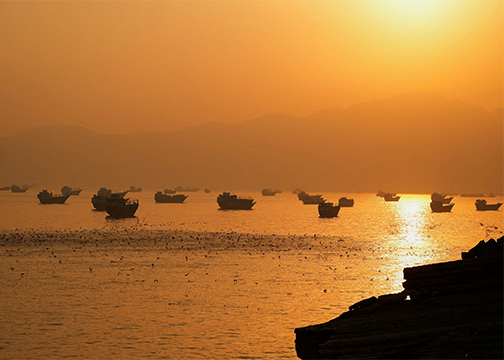
অস্তিত্ব রক্ষার এই লড়াইয়ে ইরান প্রচলিত যুদ্ধের বদলে অসম বা অ্যাসিমেট্রিক কৌশলের আশ্রয় নেয়। তারা সংঘাতকে পারস্য উপসাগর পর্যন্ত বিস্তৃত করে যুক্তরাষ্ট্রের মিত্র দেশগুলোর ওপর চাপ সৃষ্টি করে এবং আন্তর্জাতিক জাহাজ চলাচলে বিঘ্ন ঘটায়।
যেকোনো দীর্ঘস্থায়ী যুদ্ধে মূল প্রশ্ন এটি নয় যে, ‘কে কার কতটা ক্ষতি করতে পারে’, বরং আসল নিয়ামক হলো, ‘কে কতটা ক্ষতি সহ্য করার ক্ষমতা রাখে’। যে জাতির কাছে যুদ্ধ একটি অস্তিত্বের প্রশ্ন, তারা বহিরাগত আগ্রাসী শক্তির চেয়ে বহুগুণ বেশি ত্যাগ স্বীকারে প্রস্তুত থাকে। ইরানের সাধারণ মানুষ আগে থেকেই নানাবিধ অর্থনৈতিক সংকটে (মূল্যস্ফীতি, বেকারত্ব, বিদ্যুৎ ঘাটতি) জর্জরিত থাকলেও, মার্কিন হুমকি তাদের এক সুতোয় বেঁধে ফেলেছে।
সংঘাতের সম্ভাব্য গতিপথ ও চক্রাকার উত্তেজনা
ট্রাম্পের রণকৌশলের একটি বড় নেতিবাচক দিক হলো এর চরম অনিশ্চয়তা। সোশ্যাল মিডিয়ায় তার হুমকি—হরমুজ প্রণালিতে ইরান হামলা চালালে যুক্তরাষ্ট্র ইরানের অভ্যন্তরে সরাসরি আঘাত হানবে—পরিস্থিতিকে আরও বারুদপূর্ণ করে তুলেছে।
এ ধরনের পদক্ষেপ একটি অন্তহীন ‘অ্যাকশন-রিঅ্যাকশন’ বা আক্রমণ-পাল্টা আক্রমণের চক্র তৈরি করবে: • যুক্তরাষ্ট্র ইরানের অভ্যন্তরে হামলা চালালে, ইরান নিশ্চিতভাবেই মধ্যপ্রাচ্যে অবস্থিত মার্কিন সামরিক ঘাঁটিগুলোতে তীব্র পাল্টা আঘাত হানবে। • এতে মার্কিন সেনাদের ব্যাপক প্রাণহানির শঙ্কা রয়েছে, যা যুক্তরাষ্ট্রকে আরও বড় পরিসরে হামলায় বাধ্য করবে। • যুদ্ধ দীর্ঘায়িত হলে সামরিক ও বেসামরিক লক্ষ্যবস্তুর মধ্যকার পার্থক্য মুছে যাবে, যা এক ভয়াবহ মানবিক সংকটের জন্ম দেবে।
বৈশ্বিক অর্থনীতি ও কৌশলগত সুপারিশ
আন্তর্জাতিক বাণিজ্যের লাইফলাইন হিসেবে পারস্য উপসাগরের নিরাপত্তা নিশ্চিত করা বিশ্ব অর্থনীতির জন্য অপরিহার্য। সমুদ্রপথে অবাধ চলাচলের আন্তর্জাতিক নীতি সমুন্নত রাখতে এখানে একক আধিপত্যের বদলে বহুপক্ষীয় উদ্যোগ প্রয়োজন। জাতিসংঘের ম্যান্ডেট বা অনুমোদনের ভিত্তিতে একটি আন্তর্জাতিক নৌ-জোট গঠন করা পারস্য উপসাগরের নিরাপত্তার জন্য সবচেয়ে কার্যকর সমাধান হতে পারে। তবে ট্রাম্প প্রশাসনের বহুপক্ষীয় প্রতিষ্ঠানগুলোর প্রতি অনাস্থার কারণে এই উদ্যোগের বাস্তবায়ন বেশ কঠিন। ফলশ্রুতিতে, এই বিশাল সামুদ্রিক অঞ্চলের নিরাপত্তার দায়ভার শেষ পর্যন্ত মার্কিন নৌবাহিনীকেই নিতে হবে, যা তাদের জন্য বিপুল ব্যয়বহুল ও ঝুঁকিপূর্ণ।
পর্যাপ্ত কৌশলগত পরিকল্পনা ও সুনির্দিষ্ট লক্ষ্য ছাড়া শুরু হওয়া যেকোনো যুদ্ধের মাশুল একটি দেশকে দশকের পর দশক ধরে গুনতে হয়। রাষ্ট্রনেতারা ক্ষমতা থেকে বিদায় নিলেও, তাদের রেখে যাওয়া যুদ্ধের ক্ষত সহজে শুকায় না। ১৯৬৪ সালে ভিয়েতনাম যুদ্ধ সম্প্রসারণের আগে মার্কিন প্রেসিডেন্ট লিন্ডন বি. জনসনকে সতর্ক করে কূটনীতিক জর্জ বল যে কথাটি বলেছিলেন, আজকের ইরান যুদ্ধের ক্ষেত্রে তা অক্ষরে অক্ষরে সত্যি:
"একবার বাঘের পিঠে চড়ে বসলে, কখন এবং কীভাবে তা থেকে নিরাপদে নামা যাবে, তা আর কেউ নিশ্চিত করে বলতে পারে না।"
লেখক: ড. আবুল হাসনাৎ মিল্টন, প্রধান সম্পাদক, দ্যা সোর্স নিউজ বাংলা। আরটির ও রয়েটার্স এর প্রতিবেদন অবলম্বনে ।
সম্পর্কিত সংবাদ
ব্রিকসে টানটান কূটনীতি! জিনপিংকে পাশে নিয়ে রাষ্ট্রসংঘে বদলের ডাক মোদির, বার্তা নেপাল নিয়েও
কূটনৈতিক মহাসঙ্কটে ইসলামাবাদ: ব্রিকসের ‘দিল্লি ঘোষণাপত্রে’ বিশ্বমঞ্চে কোণঠাসা পাকিস্তান
ডলারের সাম্রাজ্যে ধাক্কা: নিজ নিজ মুদ্রায় বাণিজ্যে ব্রিকসের ঐতিহাসিক পদক্ষেপ। মার্কিন অর্থনৈতিক আধিপত্যের বিকল্প: ‘দিল্লি ঘোষণা’ ও আন্তর্জাতিক বাণিজ্যের নতুন মোড়