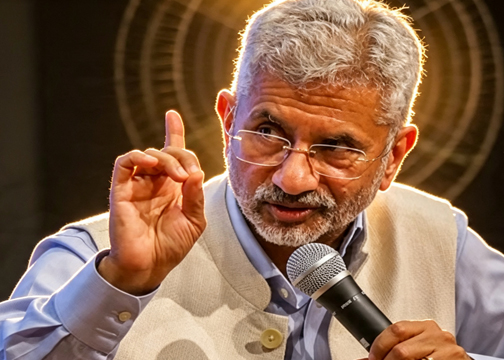
সম্প্রতি ভারতের পররাষ্ট্রমন্ত্রী এস. জয়শঙ্কর মক্কা প্যাক্ট প্রসঙ্গে এক মন্তব্যে বলেন, “কখনও কখনও ঘটনাগুলোকে নিজের গতিতে চলতে দিতে হয়।” বর্তমান সামরিক পরিস্থিতির মুখে চুক্তিটির ভূমিকা নিয়ে প্রশ্ন তুলে তিনি যোগ করেন, “মক্কা প্যাক্ট বাস্তবে কী করেছে?” এই বক্তব্যের মধ্য দিয়ে ভারতের পররাষ্ট্রমন্ত্রী শুধুমাত্র একটি কূটনৈতিক চুক্তির সীমাবদ্ধতাই তুলে ধরেননি, বরং সমসাময়িক আন্তর্জাতিক রাজনীতিতে নয়াদিল্লির বাস্তবমুখী ও ফলাফলাশ্রয়ী পররাষ্ট্রনীতির এক স্পষ্ট বার্তা দিয়েছেন।
বাস্তবতার নিক্রে চুক্তি ও আঞ্চলিক নিরাপত্তা
আন্তর্জাতিক সম্পর্ক কেবল সুসজ্জিত নথি বা যৌথ ঘোষণাপত্রের মধ্যে সীমাবদ্ধ থাকে না। যখন সামরিক উত্তেজনা বৃদ্ধি পায় বা আঞ্চলিক স্থিতিশীলতা হুমকির মুখে পড়ে, তখন এসব চুক্তির কার্যকারিতা বাস্তবে কতটুকু—তা অত্যন্ত গুরুত্বপূর্ণ হয়ে ওঠে। জয়শঙ্করের মন্তব্যের মূল সুরই ছিল এটি: আন্তর্জাতিক সমঝোতার সাফল্য কাগজের পাতায় নয়, বরং সংকটকালে তার প্রয়োগে প্রমার্শিত হয়।
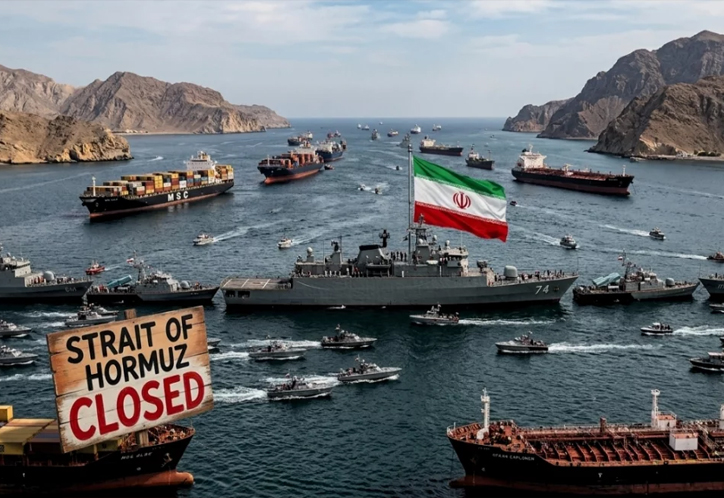
বর্তমানে মধ্যপ্রাচ্য এবং এশিয়ার সার্বিক নিরাপত্তা পরিস্থিতি একটি জটিল রূপ নিয়েছে। একদিকে প্রথাগত সীমান্ত বিরোধ, অন্যদিকে প্রক্সি ওয়ার ও অ-সামরিক হুমকি বৈশ্বিক শক্তিগুলোকে নতুন করে চিন্তা করতে বাধ্য করছে। বহু আঞ্চলিক প্যাক্ট বা চুক্তি সংকটকালীন সময়ে কাঙ্ক্ষিত ভূমিকা রাখতে ব্যর্থ হয়েছে। এই প্রেক্ষাপটে জয়শঙ্করের বার্তা হলো—কোনো নিষ্ক্রিয় কাঠামোর ওপর অন্ধ নির্ভরতা না রেখে আন্তর্জাতিক ঘটনাপ্রবাহের বাস্তব ফলাফলের ওপর নজর দেওয়া উচিত।
ভারতের স্ট্র্যাটেজিক স্বায়ত্তশাসন ও কূটনৈতিক বার্তা
ভারতের এই অবস্থান তাদের 'কৌশলগত স্বায়ত্তশাসন' (Strategic Autonomy) নীতির সাথে পুরোপুরি সামঞ্জস্যপূর্ণ। নয়াদিল্লি এখন আর কেবল নামসর্বস্ব চুক্তি বা প্রতীকী আন্তর্জাতিক জোটের অংশ হয়ে থাকতে চায় না।
• ফলাফলমুখী কূটনীতি: যে চুক্তিগুলো বাস্তব নিরাপত্তা দিতে পারে না, সেগুলোকে কেবল বাধ্যবাধকতার খাতিরে ধরে রাখার পক্ষপাতী নয় ভারত।
• গতিশীল পররাষ্ট্রনীতি: পরিবর্তনশীল বৈশ্বিক পরিস্থিতিতে কোনো একটি স্থিতিশীল কাঠামোর ওপর আটকে না থেকে নীতিতে নমনীয়তা বজায় রাখাকে গুরুত্ব দেওয়া হচ্ছে।
জয়শঙ্করের মন্তব্যটি নিছক এক সাময়িক প্রতিক্রিয়া নয়; এটি বিশ্বমঞ্চে ভারতের পরিপক্ক পররাষ্ট্রনীতির একটি দিকনির্দেশক। আঞ্চলিক শান্তি ও স্থিতিশীলতা রক্ষা করতে হলে দেশগুলোকে ঐতিহাসিক বা রাজনৈতিক চুক্তির বাইরে এসে বাস্তবতার মুখোমুখি হতে হবে। দিনশেষে কাগজের চুক্তির চেয়ে ভূমির বাস্তব নিরাপত্তা ও কার্যকারিতাই আন্তর্জাতিক রাজনীতির একমাত্র মাপকাঠি—নয়াদিল্লির এই বার্তা এখন সময়ের বাস্তবতা হিসেবেই আবির্ভূত হচ্ছে।
লেখক: শচীন বাঙালি,কলামিস্ট ও রাজনৈতি বিশ্লেষক
Recently, India’s External Affairs Minister S. Jaishankar, while commenting on the Mecca Pact, stated, “Sometimes you have to let things take their course.” Questioning the pact's role in the face of the current military situation, he added, “What has the Mecca Pact actually accomplished?” Through these remarks, the External Affairs Minister not only highlighted the limitations of a diplomatic treaty but also delivered a clear message reflecting New Delhi’s pragmatic and result-oriented foreign policy in contemporary international relations.
Treaties and Regional Security Tested by Reality
International relations are not confined to well-crafted documents or joint declarations. When military tensions escalate or regional stability is threatened, the actual effectiveness of these treaties becomes paramount. The core theme of Jaishankar’s commentary was precisely this: the success of an international understanding is proven not on the pages of paper, but through its application during times of crisis.
Currently, the overall security situation in the Middle East and Asia has taken a complex form. On one hand, traditional border disputes, and on the other, proxy wars and non-military threats are forcing global powers to rethink their approaches. Numerous regional pacts or agreements have failed to play their intended roles during crises. In this context, Jaishankar’s message is that instead of blindly relying on inactive frameworks, focus should be placed on the tangible outcomes of international developments.
India’s Strategic Autonomy and Diplomatic Messaging
This stance fully aligns with India’s policy of "Strategic Autonomy." New Delhi no longer wishes to remain a part of nominal treaties or symbolic international alliances.
• Result-Oriented Diplomacy: India does not favor holding onto agreements purely for the sake of obligation if they fail to provide tangible security.
• Dynamic Foreign Policy: Emphasizing policy flexibility to adapt to evolving global dynamics rather than remaining trapped in rigid, static structures.
Jaishankar’s statement is not merely a temporary reaction; it serves as a signpost of India’s mature foreign policy on the world stage. To preserve regional peace and stability, nations must step beyond historical or political pacts and confront ground realities. Ultimately, real-world security and tangible effectiveness take precedence over paper agreements—a message from New Delhi that is emerging as the defining reality of our times.
Author: Sachin Bengali, Columnist and Political Analyst