
ছয় মাসে কারা হেফাজতে ৬১ জন বন্ধির মৃত্যু, ৫৮ জনই আওয়ামী লীগের নেতা কর্মী-জানিয়েছে আসক

চলতি বছরের প্রথম ছয় মাসে দেশের বিভিন্ন কারাগারে কারা হেফাজতে ৬১ জনের মৃত্যুর তথ্য প্রকাশ করেছে মানবাধিকার সংগঠন আইন ও সালিশ কেন্দ্র (আসক)। একই সঙ্গে সংগঠনটি দাবি করেছে, মৃতদের মধ্যে ৫৮ জনই আওয়ামী লীগের নেতা-কর্মী ছিলেন। আসক জানিয়েছে, এসব তথ্য দেশের বিভিন্ন জাতীয় দৈনিকে প্রকাশিত সংবাদ পর্যালোচনা করে সংকলন করা হয়েছে। আসকের তথ্য অনুযায়ী, কারা হেফাজতে মারা যাওয়া ৬১ জনের মধ্যে ৩৭ জন ছিলেন বিচারাধীন বন্দি এবং ১২ জন স্বল্পমেয়াদে দণ্ডপ্রাপ্ত। বাকি ১২ জন বন্দি হলেও তারা কী অভিযোগে বা কোন মামলায় আটক ছিলেন, সে বিষয়ে কারা কর্তৃপক্ষের কাছে স্পষ্ট তথ্য পাওয়া যায়নি বলে জানিয়েছে সংগঠনটি। পরিসংখ্যান বিশ্লেষণে দেখা যায়, মোট মৃত্যুর ৬০ শতাংশেরও বেশি ঘটেছে বিচারাধীন বন্দিদের ক্ষেত্রে। অর্থাৎ, যাদের বিরুদ্ধে মামলার বিচার এখনও শেষ হয়নি, তাদের মধ্যেই মৃত্যুর হার সবচেয়ে বেশি। মানবাধিকার বিশেষজ্ঞদের মতে, এটি বিচারপ্রক্রিয়া, বন্দিদের নিরাপত্তা এবং কারা ব্যবস্থাপনা নিয়ে গুরুত্বপূর্ণ প্রশ্ন উত্থাপন করে। বিভাগভিত্তিক হিসাবে সবচেয়ে বেশি মৃত্যু হয়েছে ঢাকা বিভাগে, যেখানে ৩৬ জন বন্দি কারা হেফাজতে মারা গেছেন। তাদের মধ্যে ১৭ জন ছিলেন বিচারাধীন এবং ১৯ জন দণ্ডপ্রাপ্ত বন্দি। দ্বিতীয় সর্বোচ্চ আটটি মৃত্যু হয়েছে চট্টগ্রাম বিভাগে; সেখানে সাত জন বিচারাধীন এবং একজন দণ্ডপ্রাপ্ত বন্দি ছিলেন। এ ছাড়া রাজশাহী ও খুলনা বিভাগে পাঁচজন করে, বরিশাল ও রংপুর বিভাগে দুজন করে, ময়মনসিংহ বিভাগে দুজন এবং সিলেট বিভাগে একজন বন্দির মৃত্যুর তথ্য তুলে ধরেছে আসক। রংপুরে মারা যাওয়া দুজনই ছিলেন বিচারাধীন বন্দি। মানবাধিকার কর্মীরা বলছেন, কারা হেফাজতে প্রতিটি মৃত্যুর ক্ষেত্রে স্বাধীন, নিরপেক্ষ ও স্বচ্ছ তদন্ত হওয়া জরুরি। পাশাপাশি মৃত্যুর প্রকৃত কারণ, চিকিৎসাসেবার প্রাপ্যতা, কারাগারের ধারণক্ষমতার তুলনায় বন্দির সংখ্যা, স্বাস্থ্যসেবা এবং নিরাপত্তা ব্যবস্থার কার্যকারিতা জনসমক্ষে প্রকাশের দাবি জানিয়েছেন তারা। বিশেষজ্ঞদের মতে, আন্তর্জাতিক মানবাধিকার মানদণ্ড অনুযায়ী রাষ্ট্রের হেফাজতে থাকা প্রতিটি ব্যক্তির জীবন ও স্বাস্থ্য সুরক্ষার দায়িত্ব রাষ্ট্রের। তাই কারা হেফাজতে অস্বাভাবিক বা আকস্মিক মৃত্যু ঘটলে তার কারণ নির্ণয়, দায় নির্ধারণ এবং প্রয়োজনীয় সংস্কারমূলক পদক্ষেপ গ্রহণ করা অত্যন্ত গুরুত্বপূর্ণ।
লিখেছেন: ড. আবুল হাসনাৎ মিল্টন, প্রধান সম্পাদক - দ্য সোর্স নিউজ বাংলা
সম্পর্কিত সংবাদ
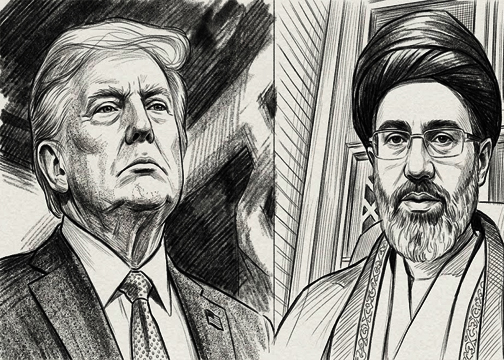
মহাকাশ থেকে ছায়াযুদ্ধ: মার্কিন ঘাঁটিতে ইরানি হামলার নেপথ্যে কি তবে চিনা কৃত্রিম উপগ্রহ? মধ্যপ্রাচ্যের ভূ-রাজনীতিতে মহাকাশ গোয়েন্দাগিরির নতুন সমীকরণ
বাংলাদেশ কি চরম সংকটের দ্বারপ্রান্তে? — প্রবৃদ্ধি, শাসনব্যবস্থা ও টিকে থাকা
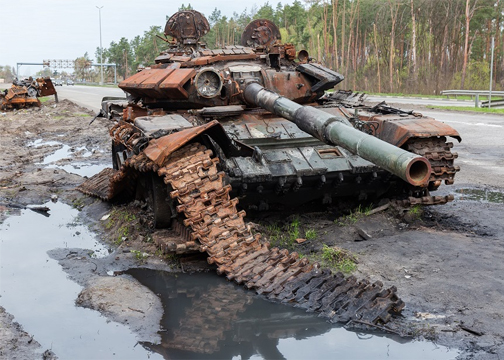
আগুনের বৃত্তে বাঁধা পৃথিবী: ইউক্রেনের ধ্বংসস্তূপ থেকে পারস্যের বিষণ্ণ সন্ধ্যা