
পালাবদলের দুই বছর: দেশকে ব্যর্থ রাষ্ট্র বানিয়ে কী পেলেন রিসেট বাটন চাপা ইউনূস?
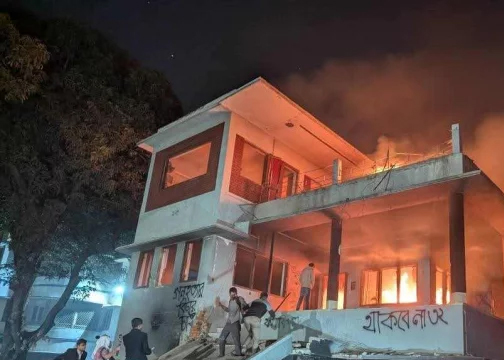
দুই বছরের পথপরিক্রমা শেষ হলো। রাজনীতির মঞ্চে দৃশ্যপট বদলেছে, বদলেছে ক্ষমতার কেন্দ্রবিন্দু। কিন্তু সাধারণ মানুষের হিসেব-নিকেশ আর প্রত্যাশা-প্রাপ্তির খাতাটি কি সত্যিই মিলাতে পারলো বাংলাদেশ?
২০২৪ সালের ৫ আগস্ট ছিল এ দেশের রাজনীতিতে এক ঐতিহাসিক মাহেন্দ্রক্ষণ। এটি কেবল এক সরকারের বিদায় ছিল না; বরং তা ছিল বছরের পর বছর জমে থাকা ক্ষোভ, হতাশা আর মানুষের বুকের ভেতর চেপে রাখা পরিবর্তনের প্রবল আকুতির এক বিস্ফোরণ। সেদিন রাজপথে নামা সাধারণ মানুষ কেবল হাতবদল কিংবা চেহারার পরিবর্তন চায়নি; তারা চেয়েছিল ব্যবস্থার পরিবর্তন। চেয়েছিল জীবন ও জীবিকার নিরাপত্তা, আইনের শাসন, দুর্নীতি ও স্বেচ্ছাচারিতার স্থায়ী অবসান। মানুষ চেয়েছিল এমন এক জবাবদিহিমূলক রাষ্ট্রব্যবস্থা, যেখানে নাগরিকের মতামত ও অধিকারই হবে সার্বভৌম।
কিন্তু দুই বছর পর আজও সেই কাঠগড়ায় বড় প্রশ্ন—মানুষের সেই স্বপ্নের কতটুকুই বা বাস্তব রূপ পেল?
৫ আগস্টের দিনগুলোতে রাষ্ট্রের নিরাপত্তা ব্যবস্থা এক অভূতপূর্ব পরীক্ষার মুখোমুখি হয়েছিল। সহিংসতা, স্নাইপার ব্যবহারের অভিযোগ, প্রাণহানি এবং শেষমেশ থানা থেকে অস্ত্র লুটের মতো ঘটনা দেশের সার্বিক নিরাপত্তাকে চরম ঝুঁকিতে ফেলে। সেই লুটের অস্ত্রের একটি বড় অংশ আজও নিখোঁজ, যা দেশজুড়ে এক গভীর উদ্বেগের জন্ম দিয়েছে। প্রশ্ন উঠছে—অস্ত্রগুলো আজ কার হাতে? অদূর ভবিষ্যতে এগুলো আবার কোনো নতুন নিরাপত্তার হুমকি হয়ে দাঁড়াবে না তো? এর সঙ্গে যোগ হয়েছিল কারাগার ভেঙে দুর্ধর্ষ অপরাধী ও জঙ্গিদের পালিয়ে যাওয়ার ঘটনা, যা রাষ্ট্রের প্রশাসনিক দুর্বলতাকে নগ্নভাবে প্রকাশ করেছিল।
মানুষ বিশ্বাস করেছিল—পরিবর্তনের পর অন্তত নিরাপত্তা আর স্বস্তি ফিরে আসবে, রাষ্ট্র হবে শক্তিশালী ও সাম্যভিত্তিক। কিন্তু সেই অনিশ্চয়তা আজও পুরোপুরি কাটেনি। দেশের নানা প্রান্তে 'মব জাস্টিস' বা মব কালচারের নামে আইন নিজের হাতে তুলে নেওয়ার প্রবণতা দেখা যাচ্ছে। এটি কেবল কোনো বিচ্ছিন্ন অপরাধ নয়; বরং রাষ্ট্রীয় কর্তৃত্ব ও আইনের শাসনের প্রতি এক বড় চ্যালেঞ্জ।
রাজনৈতিক সংস্কারের যে আকাশচুম্বী প্রত্যাশা ছিল, সেখানেও দেখা যাচ্ছে হতাশার ছাপ। ক্ষমতার পালাবদলের সঙ্গে সঙ্গে রাজনৈতিক সংস্কৃতি ও নেতৃত্বের আচরণে পরিবর্তনের আশা করা হয়েছিল। কিন্তু সাম্প্রতিক সময়ে প্রকাশ পাওয়া বিভিন্ন অডিও, ভিডিও কিংবা স্থিরচিত্র নেতাদের নৈতিকতা, দায়িত্বশীলতা এবং জনস্বার্থের প্রতি নিষ্ঠাকে পুনর্বার প্রশ্নের মুখে ঠেলে দিয়েছে। রাজনীতির মাঠ যদি বারবার মানুষের আস্থা হারায়, তবে কোনো বিপ্লব বা পরিবর্তনই দীর্ঘস্থায়ী হতে পারে না।
সবচেয়ে বড় পরীক্ষার জায়গাটি ছিল নির্বাচন ব্যবস্থা। সাধারণ মানুষের প্রত্যাশা ছিল এক অখণ্ড, অবাধ, সুষ্ঠু ও অংশগ্রহণমূলক নির্বাচন। কিন্তু অন্যতম প্রধান একটি রাজনৈতিক দলকে বাইরে রেখে যে প্রক্রিয়ায় নির্বাচন অনুষ্ঠিত হলো, তা দেশ-বিদেশে অন্তর্ভুক্তি ও গ্রহণযোগ্যতার নতুন বিতর্ক সৃষ্টি করেছে। একটি সুস্থ গণতান্ত্রিক ব্যবস্থার শক্তি কেবল ব্যালট বাক্স আর ভোট আয়োজনের আনুষ্ঠানিকতায় থাকে না; তার প্রাণ থাকে সবার অংশগ্রহণ ও সর্বজনীন আস্থায়। বড় একটি অংশকে বাইরে রেখে আয়োজিত প্রক্রিয়ায় যে গণতান্ত্রিক সংকট তৈরি হয়, তা কাটিয়ে ওঠা কঠিন। প্রকৃত গণতন্ত্র মানে শুধু নির্বাচন নয়—এর মূল ভিত্তি শক্তিশালী প্রতিষ্ঠান, স্বচ্ছতা এবং জনগণের বিশ্বাস।
কেবল মসনদের পরিবর্তন কোনো রাষ্ট্রের রূপান্তর ঘটাতে পারে না। রাষ্ট্র তখনই বদলায়, যখন আইন সবার জন্য সমানভাবে প্রযোজ্য হয়; যখন দেশের প্রতিষ্ঠানগুলো প্রভাবমুক্ত হয়ে স্বাধীনভাবে কাজ করে এবং একজন সাধারণ নাগরিক বুক ফুলিয়ে নিরাপদে বাঁচতে পারে।
দুই বছর আগে মানুষ যে নতুন বাংলাদেশের স্বপ্ন দেখেছিল, তা ছিল এক নিরাপদ, ন্যায়ভিত্তিক ও মর্যাদাপূর্ণ স্বদেশের স্বপ্ন। আজকের দিনে দাঁড়িয়ে সবচেয়ে বড় প্রশ্ন হলো—আমরা কি সত্যিই সেই স্বপ্নের রাজপথে হাঁটছি? নাকি কেবল ক্ষমতার হাতবদলই সার হলো, আর রাষ্ট্রের মৌলিক ক্ষতগুলো রয়ে গেল আগের মতোই?
ইতিহাস কখনো মুখের কথায় লেখা হয় না; যে কোনো রাজনৈতিক পরিবর্তনের চূড়ান্ত মূল্যায়ন হয় সাধারণ মানুষের জীবনের বাস্তব প্রভাব দিয়ে। তাই দুই বছরের এই সন্ধিক্ষণে একটিই প্রশ্ন সবচেয়ে বড় হয়ে দেখা দিয়েছে—জনগণ কী চেয়েছিল, আর দিন শেষে তারা কী পেল? এই প্রশ্নের সঠিক উত্তরের ওপরই নির্ভর করছে ৫ আগস্টের সেই ঐতিহাসিক পরিবর্তনের প্রকৃত মূল্যায়ন।
লেখকঃ এ বি এম কামরুল হাসান, কলামিস্ট ও রাজনৈতিক বিশ্লেষক।
সম্পর্কিত সংবাদ

ঝটিকা মিছিলের আতঙ্ক ও বিস্ফোরক অডিও ফাঁস: এসবি প্রধানসহ পুলিশে বড় রদবদল। শীর্ষ পর্যায়ে ১১ পদে পরিবর্তন: প্রশাসনিক সিদ্ধান্ত ও পুলিশের মাঠপর্যায়ে বাড়ছে অসন্তোষ
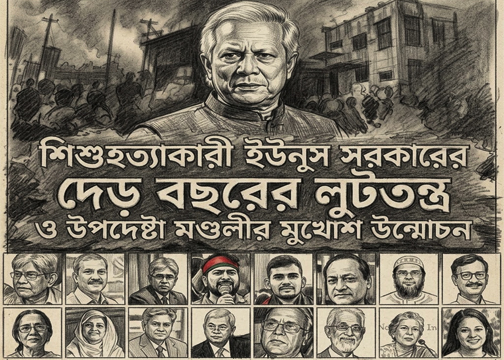
রক্তাক্ত বাংলাদেশ ও সুশীল মুখোশের আড়ালে নজিরবিহীন রাষ্ট্রীয় ডাকাতি: ইউনূস সরকারের দেড় বছরের ভয়াবহ প্রতারণার চালচিত্র: আবেগের ছলে ক্ষমতার মোহ: এক মেটিকুলাস চক্রান্তের শিকার জাতি।
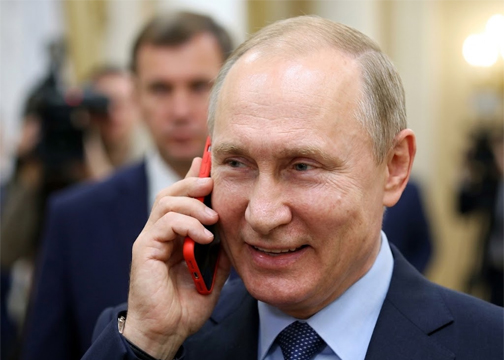
কূটনৈতিক সমীকরণে নতুন মোড়: পুতিন-হাসিনা ' ফোনালাপ' ও রূপপুর প্রকল্প ও দক্ষিণ এশিয়ায় ভূ-রাজনীতির নতুন সমীকরণ, ব্রিকস সম্মেলনের নেপথ্য আলোচনা ও বিশ্ব নেতাদের ভূমিকা