শিশু মরে হামে, ইউনূস-তারেক কি ঘামে?
এ বি এম কামরুল হাসান, প্রবাসী চিকিৎসক ও কলামিস্ট
একটি সভ্য রাষ্ট্রে শিশুর মৃত্যু কখনোই কেবল একটি পরিসংখ্যান হতে পারে না। বিশেষ করে যখন সেই মৃত্যু ঘটে হামের মতো একটি প্রতিরোধযোগ্য রোগে, যার বিরুদ্ধে বহু বছর ধরেই নিরাপদ ও কার্যকর টিকা রয়েছে। তাই প্রতিটি শিশুমৃত্যু শুধু একটি পরিবারের শোক নয়, এটি রাষ্ট্রের জনস্বাস্থ্য ব্যবস্থা, রাজনৈতিক নেতৃত্ব এবং শাসনব্যবস্থার জবাবদিহিরও কঠিন পরীক্ষা।
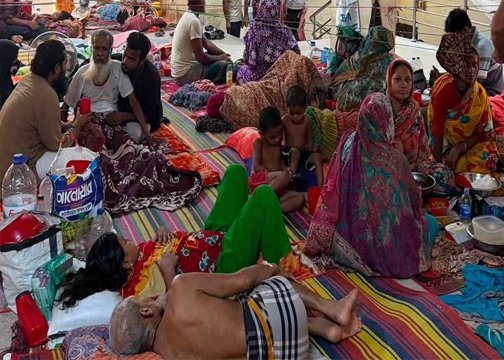
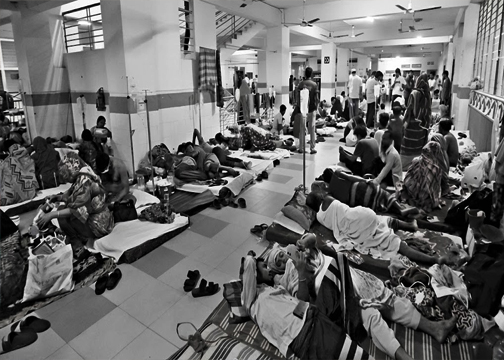
বাংলাদেশে হামের প্রাদুর্ভাব বেড়েছে, শিশুমৃত্যুর খবর এসেছে। এমন পরিস্থিতিতে স্বাভাবিকভাবেই প্রশ্ন জাগে—কেন? জনস্বাস্থ্য ব্যবস্থা কি যথাসময়ে সতর্ক হয়েছিল? টিকাদান কর্মসূচি কি যথাযথভাবে পরিচালিত হয়েছিল? নাকি প্রশাসনিক অবহেলা ও অগ্রাধিকারহীনতার কারণে একটি প্রতিরোধযোগ্য রোগ আবারও শিশুদের প্রাণ কেড়ে নিয়েছে?
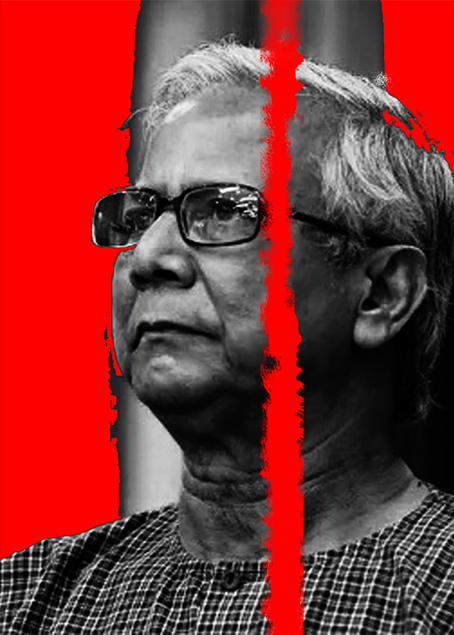
ড. মুহাম্মদ ইউনূসের নেতৃত্বাধীন অন্তর্বর্তী সরকারের সময় হামের প্রাদুর্ভাব নিয়ে ব্যাপক সমালোচনা হয়েছে। অভিযোগ উঠেছে, স্বাস্থ্যখাতকে যথেষ্ট গুরুত্ব না দেওয়া, টিকাদান কর্মসূচির দুর্বলতা এবং সময়মতো কার্যকর উদ্যোগ না নেওয়ার ফলে পরিস্থিতি আরও জটিল হয়েছে। এসব অভিযোগের সত্যতা নিরপেক্ষ তদন্তের বিষয় হলেও, একটি বিষয় অনস্বীকার্য—যে সময়ে সংকট ঘটে, সেই সময়ের সরকারের ওপর তার রাজনৈতিক ও প্রশাসনিক দায় বর্তায়।
কিন্তু প্রশ্ন এখানেই শেষ নয়।
বর্তমান বিএনপি সরকার ক্ষমতায় আসার পর জনগণের প্রত্যাশা ছিল, হামের প্রাদুর্ভাব ও শিশুমৃত্যুর ঘটনায় যদি কোনো প্রশাসনিক ব্যর্থতা থেকে থাকে, তবে তার নিরপেক্ষ তদন্ত হবে। দায়ী ব্যক্তি বা প্রতিষ্ঠানের জবাবদিহি নিশ্চিত করা হবে। কারণ সরকার বদলালেই রাষ্ট্রের দায়িত্ব শেষ হয়ে যায় না; বরং অতীতের ব্যর্থতা থেকে শিক্ষা নিয়ে ন্যায়বিচার প্রতিষ্ঠা করাই নতুন সরকারের অন্যতম কর্তব্য।
কিন্তু বাস্তবতা হলো, এ বিষয়ে দৃশ্যমান কোনো তদন্ত, জবাবদিহি বা দায় নিরূপণের উদ্যোগ জনসাধারণের সামনে স্পষ্ট হয়ে ওঠেনি। ফলে প্রশ্ন উঠছে—হামের মতো একটি প্রতিরোধযোগ্য রোগে শিশুদের মৃত্যু কি শুধুই একটি সংবাদ হয়ে থাকবে? নাকি এর জন্য কোনো দিন কেউ জবাবদিহির মুখোমুখি হবে?
রাজনীতিতে একে অপরকে দোষারোপ করা সহজ। কিন্তু জনগণ এখন দোষারোপ নয়, দায়িত্ব দেখতে চায়। তারা জানতে চায়, কেন একটি প্রতিরোধযোগ্য রোগে শিশুদের প্রাণ হারাতে হলো? কেন জনস্বাস্থ্য ব্যবস্থা ব্যর্থ হলো? আর কেন সেই ব্যর্থতার তদন্ত ও জবাবদিহি আজও অধরা?
একটি শিশুর জীবন কোনো রাজনৈতিক দলের নয়, কোনো নেতারও নয়। রাষ্ট্রের প্রতিটি শিশুই সমান মূল্যবান। একটি প্রতিরোধযোগ্য রোগে একটি শিশুর মৃত্যুও রাষ্ট্রের জন্য ব্যর্থতার প্রতীক হওয়া উচিত।
এই কারণেই আজ প্রশ্নটি শুধু ড. ইউনূসের উদ্দেশে নয়, বর্তমান ক্ষমতাসীন নেতৃত্বের প্রতিও।
যদি তৎকালীন সরকার সময়মতো কার্যকর পদক্ষেপ নিতে ব্যর্থ হয়ে থাকে, তবে তার তদন্ত ও জবাবদিহি নিশ্চিত করা বর্তমান সরকারের দায়িত্ব। আর যদি বর্তমান সরকারও সেই দায়িত্ব পালনে অনীহা দেখায়, তবে জনগণ স্বাভাবিকভাবেই মনে করবে—শিশুদের জীবন রাজনৈতিক অগ্রাধিকারের তালিকায় নেই।
জনগণের একাংশের অভিযোগ, হামের প্রাদুর্ভাব ও শিশুমৃত্যুর ঘটনায় ইউনূস সরকার যথেষ্ট গুরুত্ব দেয়নি। একই সঙ্গে তাদের প্রশ্ন, বর্তমান বিএনপি সরকারও কেন সেই অভিযোগের নিরপেক্ষ তদন্ত ও জবাবদিহি নিশ্চিত করতে দৃশ্যমান কোনো উদ্যোগ নিচ্ছে না? এমন অভিযোগও রয়েছে যে, এ বিষয়ে আইনি পদক্ষেপের উদ্যোগও যথাযথভাবে অগ্রসর হয়নি। এসব অভিযোগের সত্যতা যাচাই ও প্রয়োজনীয় ব্যবস্থা নেওয়া রাষ্ট্রেরই দায়িত্ব।
একজন তখন রাষ্ট্র পরিচালনার দায়িত্বে ছিলেন, আরেকজন আজ দেশের সবচেয়ে প্রভাবশালী রাজনৈতিক নেতৃত্বের অন্যতম মুখ। কিন্তু শিশুদের জীবন, জনস্বাস্থ্য এবং জবাবদিহির প্রশ্নে জনগণ শুধু বক্তব্য নয়, কার্যকর পদক্ষেপ দেখতে চায়। কারণ ক্ষমতা পরিবর্তন হলেও রাষ্ট্রের দায়িত্ব পরিবর্তন হয় না।
যত দিন হামের মতো প্রতিরোধযোগ্য রোগে শিশুদের মৃত্যু ঘটবে, যত দিন সেই মৃত্যুর কারণ অনুসন্ধান ও দায় নিরূপণে কার্যকর উদ্যোগ দেখা যাবে না, তত দিন এই প্রশ্নও বেঁচে থাকবে—শিশু মরে হামে, ইউনূস-তারেক কেন ঘামে না?
এ বি এম কামরুল হাসান, প্রবাসী চিকিৎসক ও কলামিস্ট
In a civilized state, the death of a child can never be reduced to a mere statistic. This is especially true when the death is caused by a preventable disease such as measles, against which safe and effective vaccines have been available for decades. Every child who dies represents not only the grief of a family but also a serious test of the country's public health system, political leadership, and governance.
Bangladesh has witnessed a resurgence of measles, accompanied by reports of child deaths. Naturally, this raises important questions. Was the public health system adequately prepared? Was the immunization program implemented effectively? Or did administrative negligence and a lack of priority allow a preventable disease to claim young lives once again?
The measles outbreak during the interim government led by Dr. Muhammad Yunus has drawn widespread criticism. Allegations have been made that insufficient attention to the health sector, weaknesses in the vaccination program, and delays in taking effective measures contributed to the worsening situation. While the accuracy of these allegations should be determined through an impartial investigation, one fact remains undeniable: when a crisis occurs, the government in office bears political and administrative responsibility.
But the questions do not end there.
After the BNP government assumed office, many citizens expected that if there had been any administrative failures behind the measles outbreak and the resulting child deaths, an impartial investigation would be conducted. Those responsible—whether individuals or institutions—would be held accountable. A change of government does not erase the state's responsibilities; rather, learning from past failures and ensuring justice is one of the foremost duties of any new administration.
The reality, however, is that no visible investigation, accountability process, or determination of responsibility has been clearly presented to the public. This raises another question: Will the deaths of children from a preventable disease like measles remain just another news headline, or will anyone ever be held accountable?
In politics, blaming one another is easy. But people now want responsibility, not accusations. They want to know why children had to die from a preventable disease, why the public health system failed, and why accountability for that failure remains elusive.
A child's life belongs to no political party and to no individual leader. Every child is equally precious to the state. Even a single death from a preventable disease should be regarded as a symbol of state failure.
That is why the question today is directed not only at Dr. Yunus but also at the current political leadership.
If the government at the time failed to take effective measures when they were needed, then ensuring a proper investigation and accountability is the responsibility of the current government. If the present administration also fails to fulfill that responsibility, the public will naturally conclude that children's lives are not among the state's political priorities.
A section of the public alleges that the Yunus administration did not give sufficient importance to the measles outbreak and the resulting child deaths. At the same time, they question why the current BNP government has not taken any visible steps to ensure an impartial investigation and accountability. There are also allegations that legal proceedings on the matter have not progressed adequately. Determining the truth of these claims and taking appropriate action is ultimately the responsibility of the state.
One was in charge of running the state then; the other is now one of the most influential figures in the country's political leadership. But when it comes to children's lives, public health, and accountability, the people want more than statements—they want effective action. Governments may change, but the state's responsibility does not.
As long as children continue to die from preventable diseases such as measles, and as long as no effective effort is made to investigate the causes and establish accountability, one question will continue to resonate: Children die of measles—why don't Yunus and Tarique feel the heat?
ABM Kamrul Hasan
Expatriate Physician and Columnist