বাংলাদেশের অর্থনীতি ও খাদ্যনিরাপত্তার সবচেয়ে বড় ভিত্তি কৃষি ও কৃষক। মাঠে কৃষকের উৎপাদন সচল থাকলেই বাজারে চাল, মাছ, শাকসবজি ও অন্যান্য খাদ্যপণ্যের সরবরাহ স্বাভাবিক থাকে। তাই কৃষকের জমিতে সেচের পানি পৌঁছানো এবং মৎস্যচাষির পুকুরে মাছের জন্য প্রয়োজনীয় অক্সিজেন নিশ্চিত করা নিছক কৃষি ব্যবস্থাপনার বিষয় নয়—এটি জাতীয় খাদ্যনিরাপত্তার প্রশ্ন।
বর্তমানে বিদ্যুৎ ও ডিজেলের সংকটে দেশের বিভিন্ন অঞ্চলে সেচ নিয়ে কৃষকদের উদ্বেগের খবর আসছে। একই সঙ্গে বিদ্যুৎ বিভ্রাটের কারণে মৎস্যচাষে এয়ারেটর বা পেডেল হুইল চালানো ব্যাহত হলে মাছের জন্য অক্সিজেনের ঘাটতি তৈরির ঝুঁকি দেখা দেয়। এই পরিস্থিতি দীর্ঘস্থায়ী হলে এর প্রভাব কৃষকের ঘর পেরিয়ে বাজার, খাদ্য, মূল্যস্ফীতি এবং জাতীয় অর্থনীতিতেও পরতে পারে।
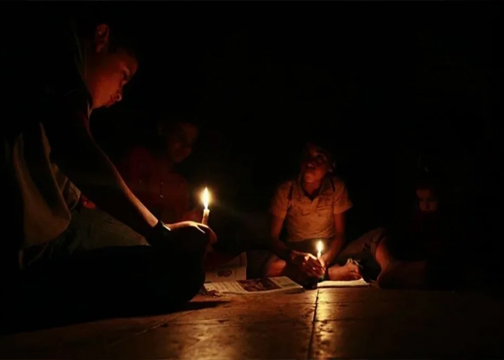
সারাদেশে কৃষকের ঘরে ঘরে হাহাকার। বিদ্যুৎ ও জ্বালানির অভাবে ক্ষেতের আইলে বসানো পাম্প হাউজ বন্ধ। সেচের পানি না পেলে সেচ নির্ভরশীল ফসল বোরো ধানের চারা মরে যাবে।
একজন কৃষক উৎপাদনের আগেই বীজ, সার, কীটনাশক, জমি প্রস্তুত, শ্রমিক ও সেচে বিপুল অর্থ বিনিয়োগ করেন। ফসল ফলনের গুরুত্বপূর্ণ সময়ে সেচ বন্ধ হয়ে গেলে ফলন কমতে পারে; আর ফলন কমলে কৃষকের আয় কমবে । আয় কমলেও তার ঋণ ও উৎপাদন ব্যয় কমবে না।
২০২৬ সালের বোরো মৌসুমে উত্তরাঞ্চলের বিভিন্ন এলাকায় ডিজেল সরবরাহ নিয়ে কৃষকদের উদ্বেগের খবর প্রকাশিত হয়েছে। রাজশাহীসহ উত্তরাঞ্চলের কৃষকদের সেচের জন্য ডিজেল সংগ্রহে সমস্যার কথা সংবাদমাধ্যমে এসেছে। অথচ চলতি মৌসুমে দেশের বোরো উৎপাদনের লক্ষ্যমাত্রা প্রায় ৫০.৫৪ লাখ হেক্টর জমি। অর্থাৎ বিদ্যুৎ ও ডিজেল সংকটে সেচের বড় ধরনের বিঘ্ন ও বিপুল পরিমাণ জমির উৎপাদনকে ঝুঁকির মধ্যে ফেলতে পারে।
শেখ হাসিনার আমলে কৃষকের জন্য কী ব্যবস্থা ছিল?
২০০৯–২০২৪ সময়ে কৃষি খাতে একাধিক সহায়তা ব্যবস্থা চালু বা সম্প্রসারিত হয়। এর মধ্যে সেচের বিদ্যুৎ ব্যবহারে ২০ শতাংশ রিবেট, ডিজেলচালিত সেচে নগদ সহায়তা, কৃষি উপকরণে ভর্তুকি, কৃষিঋণ, প্রণোদনা এবং সেচ অবকাঠামো সম্প্রসারণ উল্লেখযোগ্য।
বিদ্যুৎ বিভাগের সরকারি তথ্য অনুযায়ী, কৃষি সেচে ব্যবহৃত বিদ্যুতের ওপর ২০ শতাংশ রিবেট দেওয়ার ব্যবস্থা ছিল। উদ্দেশ্য ছিল সেচের বিদ্যুৎ খরচ কমানো এবং কৃষকের উৎপাদন ব্যয় নিয়ন্ত্রণে রাখা।
ডিজেলচালিত সেচের ক্ষেত্রেও সরাসরি সহায়তার নজির রয়েছে। ২০০৯ সালের বোরো মৌসুমে ডিজেল সেচে প্রায় ২০ শতাংশ নগদ সহায়তার উদ্যোগ নেওয়া হয়েছিল। পরবর্তী সময়ে কৃষি উপকরণ সহায়তা কার্ড ও ব্যাংক হিসাবের মাধ্যমে কৃষকদের কাছে ভর্তুকির অর্থ পৌঁছানোর ব্যবস্থা করা হয়।
এগুলোকে বিচ্ছিন্ন পদক্ষেপ হিসেবে দেখলে পুরো চিত্রটি পাওয়া যাবে না। সরকারি কৃষি তথ্য অনুযায়ী, ২০০৮-০৯ অর্থবছর থেকে ২০২২-২৩ অর্থবছরের মধ্যে কৃষি খাতে উন্নয়ন সহায়তা প্রায় ৫ হাজার কোটি টাকা থেকে প্রায় ২৬ হাজার কোটি টাকায় উন্নীত হয়। একই সময়ে প্রায় ৪.৯৯ লাখ হেক্টর নতুন জমি সেচের আওতায় আসে।
অর্থনীতির মূল লক্ষ্য ছিল—কৃষকের উৎপাদন খরচ কমানো এবং সেচের আওতা বাড়িয়ে খাদ্য উৎপাদন অব্যাহত রাখা।
কৃষকের হাতে উৎপাদনের টাকা না থাকলে বিদ্যুৎ বা ডিজেল পেলেও লাভ নেই। তাই কৃষিঋণ ব্যবস্থাও সম্প্রসারিত হয়েছিল। সরকারি তথ্য অনুযায়ী, ২০০৯-১০ অর্থবছরে প্রায় ১৭.২৯ লাখ ক্ষুদ্র ও প্রান্তিক কৃষক ৪,৭৬৫ কোটি টাকা কৃষিঋণ পেয়েছিলেন। ২০২২-২৩ অর্থবছরে এ সংখ্যা প্রায় ২৭.৩৬ লাখ কৃষকে এবং ঋণের পরিমাণ ২২,৪০২ কোটি টাকায় উন্নীত হয়।
প্রাকৃতিক দুর্যোগ বা বিশেষ ফসল উৎপাদনের ক্ষেত্রেও কৃষি প্রণোদনা দেওয়া হয়েছে। ফলে কৃষকের উৎপাদন ঝুঁকি কিছুটা কমানোর একটি প্রাতিষ্ঠানিক ব্যবস্থা গড়ে উঠেছিল।
মৎস্য খাতেও একই বাস্তবতা
মৎস্যচাষ এখন আর কেবল পুকুরে মাছ ছেড়ে দেওয়ার বিষয় নয়। বাণিজ্যিক ও ঘনত্বনির্ভর মাছ ও চিংড়ি চাষে পানির মান, অক্সিজেন এবং এয়ারেশন অত্যন্ত গুরুত্বপূর্ণ। বিদ্যুৎচালিত পেডেল হুইল বা এয়ারেটর দীর্ঘ সময় বন্ধ থাকলে অক্সিজেনের ঘাটতি তৈরি হয়ে মাছের মৃত্যুঝুঁকি বাড়তে পারে।
২০২৬ সালের আগস্টে খুলনা, বাগেরহাট ও সাতক্ষীরার চিংড়ি খামারগুলোতে দীর্ঘ বিদ্যুৎ বিভ্রাটের কারণে পেডেল-হুইল এয়ারেটর বন্ধ থাকার বিষয়ে উদ্বেগের খবর প্রকাশিত হয়েছে। এসব অঞ্চলে বিপুল পরিমাণ চিংড়ি চাষ হয় এবং বিদ্যুৎ সমস্যার প্রভাব খামার থেকে প্রক্রিয়াজাতকরণ শিল্প পর্যন্ত পৌঁছানোর আশঙ্কা তৈরি হয়েছে।
শিক্ষা হলো—বিদ্যুৎ বিভ্রাটের ঝুঁকি কমাতে আধুনিক মৎস্য খামারে বিকল্প এয়ারেশন ও বিদ্যুৎব্যবস্থা থাকা জরুরি।
সংকটের শেষ প্রান্তে ভোক্তা
কৃষকের ক্ষতি শেষ পর্যন্ত ভোক্তার ক্ষতিতে পরিণত হয়। ধানের উৎপাদন কমলে চালের সরবরাহে চাপ পড়ে। মাছের উৎপাদন কমলে মাছের দাম বাড়ার আশঙ্কা তৈরি হয়। সরবরাহ কমে গেলে বাজারে মূল্যবৃদ্ধির চাপ সৃষ্টি হওয়া স্বাভাবিক।
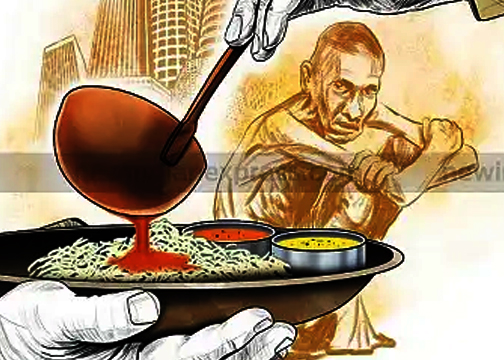
আর খাদ্যের দাম বাড়লে সবচেয়ে বেশি ক্ষতিগ্রস্ত হন নিম্ন ও মধ্যম আয়ের মানুষ। তাদের মাসিক আয়ের বড় অংশ খাদ্য কিনতেই ব্যয় হয়। ফলে কৃষি উৎপাদনের একটি সমস্যা শেষ পর্যন্ত সাধারণ মানুষের জীবনযাত্রার ব্যয় বাড়িয়ে দেয়।
এরপর আসে আমদানির প্রশ্ন। দেশীয় উৎপাদন কমে গেলে ঘাটতি পূরণে চালসহ খাদ্যপণ্য আমদানি করতে হতে পারে। এতে বৈদেশিক মুদ্রার ওপর চাপ বাড়বে। অর্থাৎ মাঠে সেচের সমস্যা শেষ পর্যন্ত দেশের বৈদেশিক লেনদেনের ওপরও প্রভাব ফেলতে পারে।
সবচেয়ে উদ্বেগের বিষয় হলো কৃষকের ভবিষ্যৎ সিদ্ধান্ত।
একজন কৃষক যদি মনে করেন, জমিতে চাষ করলেও সময়মতো বিদ্যুৎ বা ডিজেল পাওয়া যাবে না, তাহলে পরবর্তী মৌসুমে তিনি জমিতে বিনিয়োগ কমাতে পারেন। বিনিয়োগ কমলে, উৎপাদন কমবে । উৎপাদন কমলে বাজারে সরবরাহ কমবে; সরবরাহ কমলে দাম বাড়বে; দাম বাড়লে আবার সাধারণ মানুষের ওপর চাপ বাড়বে।
এভাবে এই জ্বালানি সংকট ধীরে ধীরে উৎপাদন সংকট → আয় সংকট → খাদ্য মূল্যস্ফীতি → আমদানি চাপ → বৈদেশিক মুদ্রার চাপ—এই চক্র তৈরি করতে পারে।
অতীত থেকে শিক্ষা, ভবিষ্যতের জন্য ব্যবস্থাঃ
শেখ হাসিনার আমলের কৃষিনীতি নিয়ে রাজনৈতিক মতভেদ থাকতেই পারে। কিন্তু কৃষকের জন্য সেচের বিদ্যুৎ রিবেট, ডিজেল সহায়তা, কৃষি ভর্তুকি, কৃষিঋণ, প্রণোদনা এবং সেচ অবকাঠামো সম্প্রসারণ—এসব পদক্ষেপ যে কৃষি উৎপাদনকে সহায়তা করার উদ্দেশ্যে নেওয়া হয়েছিল, তা সরকারি নথিতে স্পষ্ট।
তাই আজকের প্রয়োজন অতীতকে শুধু রাজনৈতিক বিতর্কের বিষয় বানানো নয়; বরং যে কার্যকর ব্যবস্থাগুলো ছিল সেগুলো ধরে রেখে আরও উন্নত ব্যবস্থা তৈরি করা।
সেচের মৌসুমে কৃষিকে অগ্রাধিকার দিয়ে বিদ্যুৎ সরবরাহ করতে হবে। ডিজেল সরবরাহের জন্য কৃষি অঞ্চলে আলাদা ব্যবস্থাপনা গড়ে তুলতে হবে।
কারণ কৃষকের কাছে বিদ্যুৎ বা ডিজেল কোনো বিলাসিতা নয়। বোরো মৌসুমে এটি তার জমির পানি; আর সেই পানিই শেষ পর্যন্ত দেশের মানুষের ভাতের নিশ্চয়তা দেয়।
কৃষকের সেচের পাম্প বন্ধ হওয়া মানে শুধু একটি মেশিন বন্ধ হওয়া নয়। তার সঙ্গে ঝুঁকিতে পড়ে একটি পরিবারের আয়, একটি গ্রামের অর্থনীতি, বাজারের খাদ্য সরবরাহ এবং দেশের খাদ্যনিরাপত্তা।
তাই কৃষিকে বিদ্যুৎ ও জ্বালানি সরবরাহের তালিকায় সাধারণ একটি খাত হিসেবে দেখলে চলবে না। এটিকে দেখতে হবে জাতীয় খাদ্যনিরাপত্তার কৌশলগত অবকাঠামো হিসেবে।
আজকের সবচেয়ে জরুরি প্রশ্ন তাই—কে ক্ষমতায়, তা নয়; কৃষকের জমিতে সময়মতো পানি পৌঁছাবে কি না, মৎস্যচাষির পুকুরে মাছ বাঁচানোর মতো অক্সিজেন থাকবে কি না এবং দেশের মানুষের জন্য পর্যাপ্ত খাদ্য উৎপাদন নিশ্চিত হবে কি না।
কারণ শেষ পর্যন্ত কৃষককে বাঁচানো মানেই শুধু কৃষককে বাঁচানো নয়—দেশের খাদ্যনিরাপত্তা, বাজারের স্থিতিশীলতা এবং জাতীয় অর্থনীতিকে বাঁচানো।
লেখক: ড.আওলাদ হোসেন, রাজনীতিবিদ ও রাজনৈতিক বিশ্লেষক
Agriculture and farmers are the strongest foundation of Bangladesh’s economy and food security. As long as farmers' production remains active in the field, the supply of rice, fish, vegetables, and other food products in the market stays normal. Therefore, delivering irrigation water to farmers' crop fields and ensuring necessary oxygen for fish in pisciculturists' ponds is not merely a matter of agricultural management—it is a question of national food security.
Currently, reports are emerging regarding farmers' anxieties over irrigation in various regions of the country due to electricity and diesel shortages. Simultaneously, interruptions in operating aerators or paddle wheels in aquaculture caused by power outages create risks of oxygen depletion for fish. If this situation persists, its impact could extend beyond farmers' households to the market, food, inflation, and the national economy.
Farmers across the country are facing immense distress. Due to the lack of electricity and fuel, pump houses installed on the embankments of crop fields are shut down. Without irrigation water, seedlings of Boro rice—a crop heavily reliant on irrigation—will wither and die. Before production even begins, a farmer invests a massive amount of money in seeds, fertilizers, pesticides, land preparation, labor, and irrigation. If irrigation stops during crucial stages of crop growth, yields may decline; and with reduced yields, farmers' income will plummet. Even if income drops, their debts and production costs will not decrease.
Reports were published regarding farmers' concerns over diesel supply in various northern areas during the 2026 Boro season. Media outlets highlighted the struggles of farmers in Rajshahi and other northern districts in securing diesel for irrigation. Yet, the target for Boro cultivation across the country in the current season is nearly 5.054 million hectares. Consequently, major disruptions in irrigation caused by electricity and diesel crises could place the production of a vast area of land at risk.
What measures were available for farmers during Sheikh Hasina's tenure?
Between 2009 and 2024, multiple support mechanisms were introduced or expanded in the agricultural sector. Notable among these were a 20 percent rebate on electricity used for irrigation, cash assistance for diesel-powered irrigation, agricultural input subsidies, agricultural loans, incentives, and the expansion of irrigation infrastructure.
According to official data from the Power Division, a 20 percent rebate was provided on electricity consumed for agricultural irrigation. The aim was to reduce irrigation electricity costs and keep production expenses manageable for farmers.
There were also precedents of direct support for diesel-powered irrigation. During the 2009 Boro season, an initiative was taken to offer nearly a 20 percent cash subsidy for diesel irrigation. Subsequently, subsidy funds were delivered to farmers using Agricultural Input Assistance Cards and bank accounts.
Viewing these as isolated steps fails to provide the complete picture. According to official agricultural data, development assistance in the agriculture sector increased from nearly 5,000 crore BDT in the 2008–09 fiscal year to approximately 26,000 crore BDT in the 2022–23 fiscal year. Over the same period, around 499,000 hectares of new land were brought under irrigation coverage.
The core objective of the economy was to reduce production costs for farmers, expand irrigation coverage, and sustain food production.
If farmers lack money to fund production, access to electricity or diesel yields no benefit. Hence, the agricultural credit system was also expanded. According to official data, approximately 1.729 million small and marginal farmers received 4,765 crore BDT in agricultural loans during the 2009–10 fiscal year. By the 2022–23 fiscal year, this figure grew to nearly 2.736 million farmers, with the loan volume rising to 22,402 crore BDT.
Agricultural incentives were also provided during natural disasters or for specific crop cultivation. As a result, an institutional system was developed to somewhat mitigate production risks for farmers.
The same reality exists in the fisheries sector
Aquaculture is no longer just about releasing fish into a pond. In commercial and high-density fish and shrimp farming, water quality, oxygen levels, and aeration are critical. If electric paddle wheels or aerators remain shut off for extended periods, oxygen deficits occur, increasing the risk of fish mortality.
In August 2026, concerns were reported regarding the stoppage of paddle-wheel aerators due to prolonged power outages in shrimp farms across Khulna, Bagerhat, and Satkhira. Vast quantities of shrimp are farmed in these regions, creating risks that power issues could impact everything from farms to processing industries.
The takeaway is clear: to reduce the risks of power outages, modern fish farms must possess alternative aeration and power systems.
Consumers at the end of the crisis
A farmer’s loss ultimately becomes a consumer’s loss. If rice production drops, pressure builds on the rice supply. If fish production drops, fish prices risk rising. When supply shrinks, price increases in the market naturally follow.
When food prices rise, low- and middle-income people suffer the most, as a major portion of their monthly income goes toward buying food. Consequently, a problem in agricultural production ultimately inflates living costs for the general public.
Next comes the question of imports. If domestic production falls, food products including rice may need to be imported to meet the shortfall. This will place pressure on foreign exchange reserves. Thus, an irrigation problem in the fields can ultimately affect the country's foreign transactions as well.
The most concerning aspect is the farmer's future decisions.
If a farmer believes that electricity or diesel will not be available on time despite cultivating the land, they may reduce investment in the next season. Lower investment leads to lower production; lower production reduces market supply; reduced supply drives up prices; and rising prices place renewed pressure on ordinary citizens.
In this way, the fuel crisis can gradually trigger a chain reaction: Production Crisis → Income Crisis → Food Inflation → Import Pressure → Foreign Exchange Pressure.
Lessons from the past, measures for the future:
Political differences may exist regarding the agricultural policies of Sheikh Hasina's tenure. However, official records clearly show that steps like electricity rebates for irrigation, diesel assistance, agricultural subsidies, loans, incentives, and infrastructure expansion were designed to support agricultural production.
Therefore, today's requirement is not to reduce the past to mere political debate, but to retain the effective measures that existed and build even better systems.
Electricity supply must prioritize agriculture during the irrigation season. A separate management system must be established in agricultural regions for diesel supply.
Because for a farmer, electricity or diesel is not a luxury. During the Boro season, it provides water for their land; and that water ultimately guarantees food for the nation's people.
A farmer's irrigation pump shutting down means more than just a machine stopping. Along with it, a family's income, a village's economy, the market's food supply, and the nation's food security are placed at risk.
Therefore, agriculture must not be viewed as just an ordinary sector on the energy and electricity supply list. It must be viewed as strategic infrastructure for national food security.
The most urgent question today is not who is in power; it is whether water will reach the farmer's land on time, whether there will be sufficient oxygen to keep fish alive in the aquaculture ponds, and whether adequate food production will be ensured for the nation's people.
Because ultimately, saving the farmer means not just saving the farmer—it means saving national food security, market stability, and the national economy.
Author: Dr. Awlad Hossain, Politician and Political Analyst