
রাখাইনের নতুন শক্তির সমীকরণ: আরাকান আর্মির উত্থান, রোহিঙ্গা প্রত্যাবাসন ও আঞ্চলিক কূটনীতির নতুন চ্যালেঞ্জ
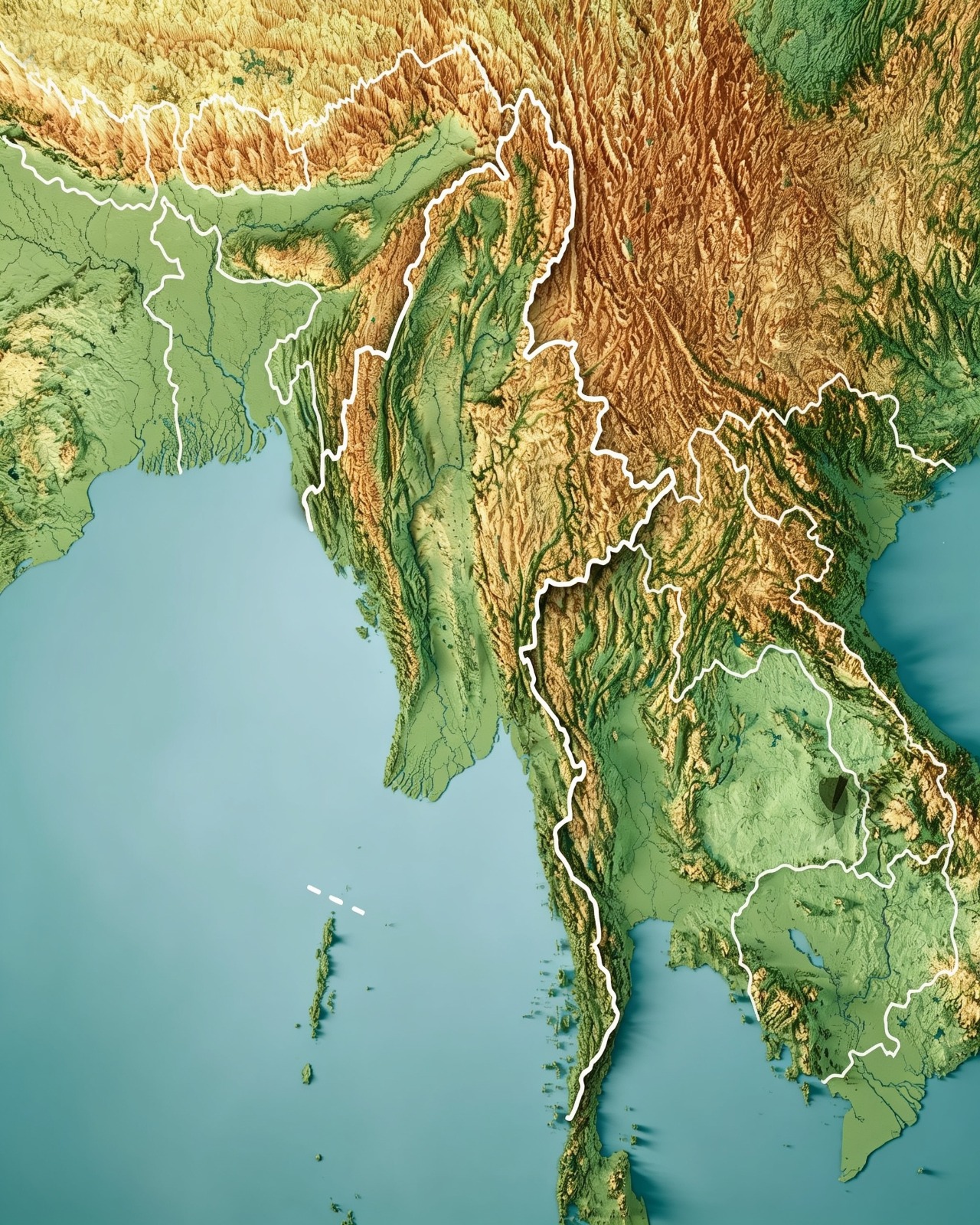
মিয়ানমারের রাখাইন রাজ্যে ক্ষমতার ভারসাম্য দ্রুত পরিবর্তিত হচ্ছে। একসময় কেবল একটি জাতিগত সশস্ত্র সংগঠন হিসেবে পরিচিত আরাকান আর্মি (এএ) আজ বাস্তবতার নিরিখে রাখাইনের অন্যতম প্রধান নিয়ন্ত্রণকারী শক্তিতে পরিণত হয়েছে। সামরিক সাফল্যের পাশাপাশি প্রশাসনিক কাঠামো, রাজস্ব আদায়, ব্যাংকিং ব্যবস্থা এবং স্থানীয় শাসনব্যবস্থা গড়ে তোলার মাধ্যমে সংগঠনটি কার্যত একটি সমান্তরাল রাষ্ট্রব্যবস্থার রূপ নিচ্ছে। এর ফলে শুধু মিয়ানমারের অভ্যন্তরীণ রাজনীতিই নয়, বাংলাদেশ, ভারত ও চীনের কৌশলগত হিসাব-নিকাশও নতুনভাবে নির্ধারিত হচ্ছে। বিশ্লেষকদের মতে, রাখাইনের ভবিষ্যৎ নির্ধারণে এখন সবচেয়ে গুরুত্বপূর্ণ প্রশ্ন হলো—আরাকান আর্মি আন্তর্জাতিক অঙ্গনে কতটা গ্রহণযোগ্যতা অর্জন করতে পারে এবং রোহিঙ্গা সংকটের সমাধানে তারা কী ভূমিকা পালন করে। চীন রাখাইনে তার গভীর সমুদ্রবন্দর, অর্থনৈতিক করিডর এবং অবকাঠামোগত বিনিয়োগের নিরাপত্তাকে সর্বোচ্চ অগ্রাধিকার দিচ্ছে। সে কারণে বেইজিং যদি আরাকান আর্মির ওপর রোহিঙ্গাদের নিরাপদ প্রত্যাবাসন ও অন্তর্ভুক্তিমূলক প্রশাসন প্রতিষ্ঠার জন্য চাপ সৃষ্টি করে, তাহলে সংগঠনটি বাস্তবতার প্রয়োজনে সেই পথে এগোতে পারে। এমন পরিস্থিতি আন্তর্জাতিক পরিমণ্ডলে তাদের গ্রহণযোগ্যতা উল্লেখযোগ্যভাবে বাড়িয়ে দিতে পারে। অন্যদিকে, বাংলাদেশ ও ভারতের জন্যও নতুন কূটনৈতিক সুযোগ সৃষ্টি হয়েছে। যদি দুই দেশ রোহিঙ্গাদের নিরাপদ, স্বেচ্ছায় এবং মর্যাদাপূর্ণ প্রত্যাবাসনের শর্ত নিশ্চিত করে রাখাইনে একটি বিশেষ অর্থনৈতিক অঞ্চল গঠনের বিষয়ে সমঝোতায় পৌঁছাতে পারে, তাহলে তা শুধু সীমান্ত স্থিতিশীলতাই নিশ্চিত করবে না; বরং আরাকান আর্মিকেও একটি রাজনৈতিক সমাধানের পথে নিয়ে আসতে পারে। এতে সংগঠনটি দাবি করতে পারবে যে তারা সব জাতিগোষ্ঠীর অংশগ্রহণে একটি অন্তর্ভুক্তিমূলক প্রশাসনিক কাঠামো গড়ে তুলছে। তবে সম্ভাবনার পাশাপাশি উদ্বেগও রয়েছে। চীন ও ভারতের ভূরাজনৈতিক প্রতিদ্বন্দ্বিতা যদি আরও তীব্র হয় কিংবা বাংলাদেশ সীমান্ত নিরাপত্তা ও শরণার্থী ইস্যুতে কঠোর অবস্থান গ্রহণ করে, তাহলে রাখাইন দীর্ঘস্থায়ী সংঘাতের নতুন কেন্দ্রবিন্দুতে পরিণত হতে পারে। এমন পরিস্থিতিতে আরাকান আর্মির কনফেডারেল রাষ্ট্রব্যবস্থার স্বপ্নও বড় ধরনের চ্যালেঞ্জের মুখে পড়বে। স্বল্পমেয়াদে আরাকান আর্মি তাদের নিয়ন্ত্রিত অঞ্চলে প্রশাসনিক কাঠামো আরও সুসংহত করার চেষ্টা চালাবে বলে ধারণা করা হচ্ছে। নতুন ব্যাংকিং ব্যবস্থা, রাজস্ব সংগ্রহ এবং স্থানীয় অর্থনৈতিক কার্যক্রম সম্প্রসারণের মাধ্যমে তারা নিজেদের কার্যকর শাসনক্ষমতার প্রমাণ দিতে চাইবে। তবে এসব কার্যক্রম যদি অবৈধ অর্থায়ন, সীমান্তপারের চোরাচালান বা অন্যান্য অনিয়মের সঙ্গে জড়িত বলে প্রমাণিত হয়, তাহলে আন্তর্জাতিক সংস্থাগুলোর কঠোর নজরদারি ও সম্ভাব্য নিষেধাজ্ঞার মুখেও পড়তে হতে পারে। মধ্যমেয়াদে মিয়ানমারের সামরিক জান্তার অবস্থান আরও দুর্বল হলে সম্ভাব্য ফেডারেল রাজনৈতিক সংলাপে আরাকান আর্মির অংশগ্রহণ প্রায় অনিবার্য হয়ে উঠবে। সে ক্ষেত্রে তাদের প্রধান দাবি হবে রাখাইনের জন্য ব্যাপক স্বায়ত্তশাসন, প্রাকৃতিক সম্পদের ওপর স্থানীয় নিয়ন্ত্রণ এবং কনফেডারেল ধরনের রাজনৈতিক কাঠামো। যদি এই প্রক্রিয়ায় চীন, ভারত ও বাংলাদেশ একটি সমন্বিত অবস্থানে পৌঁছাতে পারে, তাহলে রোহিঙ্গাদের অধিকার নিশ্চিত করে একটি অন্তর্ভুক্তিমূলক অর্থনৈতিক ও প্রশাসনিক মডেল গড়ে তোলার সম্ভাবনা সৃষ্টি হতে পারে। দীর্ঘমেয়াদে সবচেয়ে বাস্তবসম্মত দৃশ্যপট হতে পারে একটি বিকেন্দ্রীভূত বা খণ্ডিত মিয়ানমার, যেখানে কেন্দ্রীয় সরকারের কর্তৃত্ব সীমিত থাকবে এবং বিভিন্ন জাতিগত শক্তি নিজ নিজ অঞ্চলে কার্যকর শাসন পরিচালনা করবে। সেই বাস্তবতায় আরাকান আর্মি যদি স্থিতিশীল, জবাবদিহিমূলক ও অন্তর্ভুক্তিমূলক প্রশাসন প্রতিষ্ঠা করতে সক্ষম হয়, তাহলে একসময় প্রতিবেশী রাষ্ট্রগুলো তাদের সঙ্গে বিদ্যমান অনানুষ্ঠানিক যোগাযোগকে আনুষ্ঠানিক কূটনৈতিক সম্পর্কের দিকে নিয়ে যেতে পারে। এমন একটি পরিবর্তন শুধু রাখাইনের নয়, সমগ্র মিয়ানমারের রাজনৈতিক ইতিহাসে এক নতুন অধ্যায়ের সূচনা করবে। লেখক: ড. আবুল হাসনাৎ মিল্টন প্রধান সম্পাদক - দ্য সোর্স নিউজ বাংলা
সম্পর্কিত সংবাদ
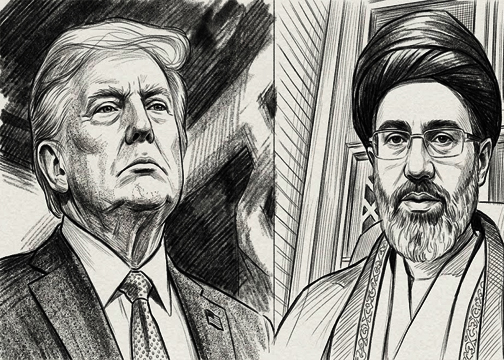
মহাকাশ থেকে ছায়াযুদ্ধ: মার্কিন ঘাঁটিতে ইরানি হামলার নেপথ্যে কি তবে চিনা কৃত্রিম উপগ্রহ? মধ্যপ্রাচ্যের ভূ-রাজনীতিতে মহাকাশ গোয়েন্দাগিরির নতুন সমীকরণ

বাংলাদেশ কি চরম সংকটের দ্বারপ্রান্তে? — প্রবৃদ্ধি, শাসনব্যবস্থা ও টিকে থাকা
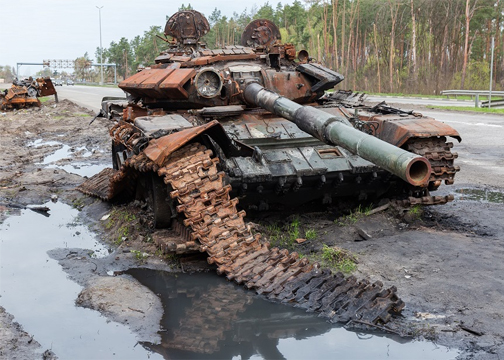
আগুনের বৃত্তে বাঁধা পৃথিবী: ইউক্রেনের ধ্বংসস্তূপ থেকে পারস্যের বিষণ্ণ সন্ধ্যা