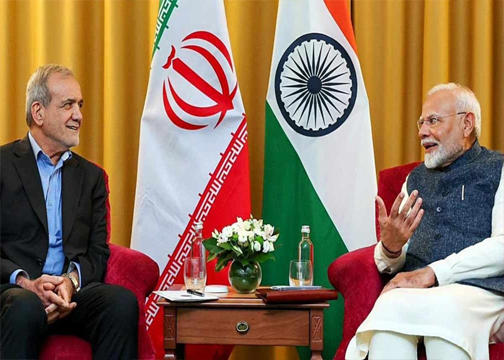
পশ্চিম এশিয়ার ক্রমবর্ধমান অস্থিরতা এবং সামরিক উত্তেজনার প্রেক্ষাপটে বিশ্ব রাজনীতির মোড় ঘোরাতে চলেছে ভারত ও ইরানের শীর্ষ নেতাদের সাম্প্রতিক আলোচনা। কিরগিজস্তানের রাজধানী বিশকেকে আয়োজিত 'সাংহাই কোঅপারেশন অর্গানাইজেশন' (এসসিও) সম্মেলনের পার্শ্ববৈঠকে ভারতের প্রধানমন্ত্রী নরেন্দ্র মোদী এবং ইরানের প্রেসিডেন্ট মাসুদ পেজেশকিয়ানের দ্বিপাক্ষিক বৈঠক কূটনৈতিক মহলে ব্যাপক গুরুত্ব বহন করছে। ফেব্রুয়ারিতে আমেরিকা ও ইসরায়েলের যৌথ হামলায় ইরানের সর্বোচ্চ ধর্মীয় নেতা খামেনেইয়ের মৃত্যুর পর সৃষ্ট তীব্র সংকট এবং হরমুজ প্রণালীর অবরুদ্ধ পরিস্থিতির মধ্যে দুই দেশের প্রধানের এটিই প্রথম মুখোমুখি সাক্ষাৎ।
সামরিক সংঘাত ও ভারতের উদ্বেগ
চলতি পরিস্থিতির ভয়াবহতা ফুটে উঠেছে হরমুজ প্রণালীর লারাক দ্বীপে মার্কিন সামরিক পদক্ষেপ এবং তার জবাবে জর্ডনের একাধিক মার্কিন ঘাঁটিতে ইরানের 'আগ্রাসনের শাস্তি' অভিযানের মধ্য দিয়ে। আঞ্চলিক এই যুদ্ধপরিস্থিতির চরম প্রভাব পড়ছে আন্তর্জাতিক নৌবাণিজ্যে। মোদী-পেজেশকিয়ান আলোচনায় দিল্লির অবস্থান ছিল অত্যন্ত স্পষ্ট—ভারত শান্তি, স্থিতিশীলতা এবং আলোচনার মাধ্যমে সংকট সমাধানের পক্ষে।
ভারতের মূল উদ্বেগের কেন্দ্রবিন্দু দুটি:
• জ্বালানি নিরাপত্তা ও মুক্ত বাণিজ্য: আন্তর্জাতিক অপরিশোধিত তেল বহনের অন্যতম প্রধান পথ হলো হরমুজ প্রণালী। এই অঞ্চলে বাণিজ্য জাহাজের নিরাপত্তা বিঘ্নিত হলে বিশ্ববাজারে তেলের দাম হু-হু করে বাড়বে, যা ভারতের মতো আমদানিনির্ভর অর্থনীতির জন্য মারাত্মক চাপের সৃষ্টি করবে।
• নাবিক ও পণ্যের সুরক্ষা: হরমুজ প্রণালী অবরুদ্ধ থাকায় বাণিজ্যিক জাহাজের ক্রু ও ভারতীয় নাবিকদের জীবন ঝুঁকিতে পড়েছে। প্রধানমন্ত্রী মোদী বৈঠকে এই জলপথে অসামরিক পণ্যবাহী জাহাজের অবাধ ও নিরাপদ চলাচলের ওপর বিশেষভাবে জোর দিয়েছেন।
কূটনৈতিক কৌশলের ভারসাম্য
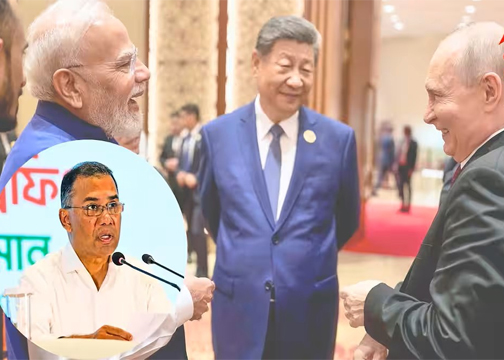
ভারত ভূ-রাজনৈতিকভাবে এক জটিল ভারসাম্যের কূটনীতি পরিচালনা করছে। একদিকে আমেরিকার সঙ্গে কৌশলগত ও বাণিজ্যিক অংশীদারিত্ব বজায় রাখা, অন্যদিকে ইরানের সঙ্গে কৌশলগত যোগাযোগ ও শক্তি নিরাপত্তার সম্পর্ক টিকিয়ে রাখা—দিল্লির জন্য এটি এক কঠিন পরীক্ষা। রাশিয়ার প্রেসিডেন্ট ভ্লাদিমির পুতিনের সঙ্গে মোদীর নির্ধারিত বৈঠক এই বহুমুখী কূটনীতির অংশ। অন্যদিকে, এসসিও-র এই আন্তর্জাতিক মঞ্চকে ব্যবহার করে বিশ্ব সম্প্রদায়ের সহানুভূতি ও কূটনৈতিক সমর্থন আদায় করা তেহরানের প্রধান লক্ষ্য।
বিশ্লেষণ ও ভবিষ্যৎ সম্ভাবনা
পশ্চিম এশিয়ার বর্তমান যুদ্ধাবস্থা কেবল ওই অঞ্চলের মধ্যে সীমাবদ্ধ নেই, বরং তা বৈশ্বিক সাপ্লাই চেইন ও অর্থনৈতিক স্থিতিশীলতাকে হুমকির মুখে ফেলেছে। ভারতের বাণিজ্য স্বার্থ রক্ষা করতে হলে হরমুজ প্রণালীতে অবিলম্বে স্থিতিশীলতা ফিরিয়ে আনা জরুরি।
বৈঠকে ভারতের শান্তি প্রস্তাব ও নিরপেক্ষ ভূমিকা আন্তর্জাতিক জলপথ সুরক্ষায় কার্যকর ভূমিকা রাখতে পারে। তবে মার্কিন যুক্তরাষ্ট্র ও ইরানের মধ্যকার সংঘাত যদি আরও দীর্ঘায়িত হয়, তবে কূটনৈতিক মধ্যস্থতা করা দিল্লির জন্য অত্যন্ত চ্যালেঞ্জিং হয়ে উঠবে। বিশ্বশান্তি ও অর্থনৈতিক স্থিতিশীলতার স্বার্থে এই অঞ্চলে সামরিক শক্তি প্রয়োগের বদলে দ্রুত বাণিজ্যিক নিরাপত্তা নিশ্চিত করা এবং আলোচনার টেবিলে ফিরে আসাই একমাত্র টেকসই সমাধান।
লেখক: ড. আবুল হাসনাৎ মিল্টন,সাংবাদিক, রাজনৈতিক বিশ্লেষক ও প্রধান সম্পাদক, দ্যা সোর্স নিউজ বাংলা (The Source News Bangla)
The recent discussions between the top leaders of India and Iran are poised to turn the tide of global politics against the backdrop of growing instability and military tensions in West Asia. Held on the sidelines of the Shanghai Cooperation Organisation (SCO) summit in Bishkek, the capital of Kyrgyzstan, the bilateral meeting between Indian Prime Minister Narendra Modi and Iranian President Masoud Pezeshkian holds immense diplomatic significance. This is the first face-to-face meeting between the heads of the two countries following the intense crisis triggered by the death of Iran's Supreme Leader Khamenei in a joint US-Israel attack in February, and the resulting blockade in the Strait of Hormuz.
Military Conflict and India's Concerns
The gravity of the current situation is underscored by US military action at Larak Island in the Strait of Hormuz and Iran's retaliatory "Punishment of Aggression" operation targeting multiple US bases in Jordan. This regional war-like environment is severely impacting international maritime trade. Delhi's stance in the Modi-Pezeshkian talks was crystal clear—India favors peace, stability, and resolving the crisis through dialogue.
India's primary concerns center around two main issues:
• Energy Security and Free Trade: The Strait of Hormuz is one of the primary routes for international crude oil transit. Disruption to the security of commercial vessels in this region will cause global oil prices to skyrocket, creating severe pressure on import-dependent economies like India.
• Safety of Seafarers and Cargo: With the Strait of Hormuz blockaded, the lives of commercial ship crews and Indian seafarers are at risk. In the meeting, Prime Minister Modi placed special emphasis on ensuring the free and safe movement of civilian cargo ships through this waterway.
Diplomatic Balancing Act
India is navigating a complex diplomatic balancing act geometrically. Maintaining strategic and trade partnerships with the United States on one hand, while sustaining strategic connectivity and energy security ties with Iran on the other, poses a tough test for Delhi. Modi's scheduled meeting with Russian President Vladimir Putin is part of this multi-vector diplomacy. Meanwhile, Tehran's primary goal is to leverage this international platform of the SCO to garner diplomatic support and sympathy from the global community.
Analysis and Future Outlook
The ongoing warfare in West Asia is not confined to that region alone; it poses a direct threat to global supply chains and economic stability. Restoring immediate stability in the Strait of Hormuz is essential to safeguarding India's trade interests.
India's peace proposals and neutral stance during the meeting could play an effective role in securing international waterways. However, if the conflict between the United States and Iran drags on, diplomatic mediation will become extremely challenging for Delhi. In the interest of world peace and economic stability, substituting military force with rapid commercial security measures and returning to the negotiating table remains the only sustainable solution.
Author: Dr. Abul Hasnat Milton, Journalist, Political Analyst, and Editor-in-Chief, The Source News Bangla.