সম্প্রতি বিশ্বরাজনীতি ও ভূ-রাজনীতিতে অন্যতম চর্চিত বিষয় হয়ে উঠেছে ‘মক্কা চুক্তি’। মধ্যপ্রাচ্যের প্রভাবশালী অর্থনৈতিক ও ধর্মীয় কেন্দ্র সৌদি আরব, সামরিক দিক থেকে শক্তিশালী এবং ন্যাটোর দ্বিতীয় বৃহত্তম সেনাবাহিনী সমৃদ্ধ তুরস্ক এবং মুসলিম বিশ্বের একমাত্র পারমাণবিক শক্তিধর দেশ পাকিস্তান—এই তিন দেশ মিলে সই করেছে এক যৌথ নিরাপত্তা ও প্রতিরক্ষা চুক্তি।
সাত সমুদ্র তেরো নদীর ওপারে ঘটিত এই ত্রিদেশীয় সামরিক জোটে বাংলাদেশের যোগ দেওয়া নিয়ে এখন জোর আলোচনা চলছে। বাংলাদেশ সরকার বিষয়টিকে ইতিবাচকভাবে দেখলেও কূটনৈতিক ও সামরিক বিশেষজ্ঞরা তুলছেন নানা প্রশ্ন। যেখানে সদস্য দেশগুলোর মতো বাংলাদেশের কোনো দৃশ্যমান আঞ্চলিক হুমকি নেই, সেখানে এই জোটে যোগ দেওয়া কতটা জরুরি? কেবল ধর্মীয় আবেগ বা ভারত-বিরোধিতাকে পুঁজি করে বাংলাদেশ কি নিজের অর্থনৈতিক ও কৌশলগত নিরাপত্তার ক্ষেত্রে নতুন কোনো ঝুঁকি ডেকে আনছে?
‘মক্কা প্যাক্ট’ বা ‘মুসলিম ন্যাটো’: রূপরেখা ও কার্যকারিতা
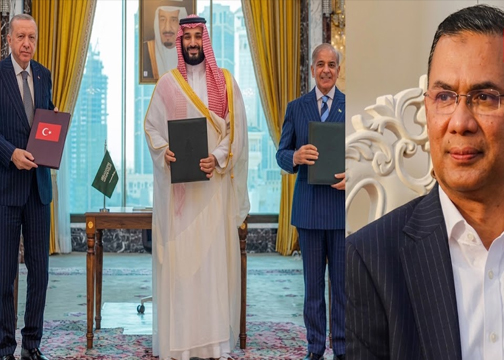
সৌদি আরবের মক্কায় টানা এক বছর আলোচনার পর সৌদি যুবরাজ মোহাম্মদ বিন সালমান, তুরস্কের প্রেসিডেন্ট এবং পাকিস্তানের প্রধানমন্ত্রীর উপস্থিতিতে এই প্রতিরক্ষা চুক্তি স্বাক্ষরিত হয়। এই জোটকে অনেকে ‘মুসলিম ন্যাটো’ নামে অভিহিত করছেন, কারণ চুক্তির প্রধান নীতি হলো—তিনটি সদস্য রাষ্ট্রের যেকোনো একটি আক্রান্ত হলে তা সব রাষ্ট্রের ওপর আক্রমণ হিসেবে গণ্য হবে। এটি হুবহু ন্যাটো (NATO)-এর বিখ্যাত ‘আর্টিকেল ৫’-এর যৌথ প্রতিরক্ষা নীতিকে মনে করিয়ে দেয়।
তবে আন্তর্জাতিক বিশ্লেষকরা মনে করেন, এটি পুরোপুরি ন্যাটোর মতো কাঠামো নয়।
• সমন্বিত কমান্ডের অভাব: ন্যাটোর মতো এতে সমন্বিত সামরিক কমান্ড বা নির্দিষ্ট কার্যপ্রণালী (Operational Architecture) এখনো স্পষ্ট নয়।
• বাধ্যবাধকতার অস্পষ্টতা: কোনো সদস্য রাষ্ট্র আক্রান্ত হলে অন্য দেশগুলোকে ঠিক কত সেনা, যুদ্ধবিমান বা সহায়তা পাঠাতে হবে, তার কোনো আইনি বাধ্যবাধকতা রাখা হয়নি।
• প্রতীকী গুরুত্ব: সে কারণে অনেক বিশ্লেষক একে একটি সমন্বিত সামরিক জোটের চেয়ে মূলত একটি শক্তিশালী 'প্রতীকী ঘোষণা' হিসেবেই দেখছেন।
কেন এই জোটে বাংলাদেশের নাম?
যদিও আনুষ্ঠানিকভাবে বাংলাদেশকে যোগ দেওয়ার স্পষ্ট কোনো রূপরেখা উন্মোচন করা হয়নি, তবে রয়টার্সের প্রতিবেদন অনুযায়ী সৌদি আরবের পক্ষ থেকে বাংলাদেশকে এই জোটে যোগ দেওয়ার আহ্বান জানানো হয়েছে। বাংলাদেশ সরকারের পক্ষ থেকেও বিষয়টি ইতিবাচক হিসেবে দেখার ইঙ্গিত পাওয়া গেছে। সম্প্রতি সংসদে পররাষ্ট্রমন্ত্রী জানান, সরকার এই মক্কা প্যাক্টকে ইতিবাচক হিসেবেই দেখছে।
বাংলাদেশে যারা এই জোটে যোগ দেওয়ার পক্ষে, তাদের মূল যুক্তিগুলো হলো:
1. প্রতিরক্ষা আধুনিকীকরণ: তুরস্কের উন্নত ড্রোন, মিসাইল প্রযুক্তি ও সেন্সর এবং পাকিস্তানের সামরিক প্রশিক্ষণ বাংলাদেশের প্রতিরক্ষা খাতকে সমৃদ্ধ করতে পারে।
2. অর্থনৈতিক ও কূটনৈতিক মিত্রতা: সৌদি আরব বাংলাদেশের অন্যতম প্রধান শ্রমবাজার ও অর্থনৈতিক অংশীদার। ফলে তাদের প্রস্তাবে সাড়া দেওয়া কৌশলগত সম্পর্ক জোরদার করবে।
3. প্রতিরোধক ক্ষমতা: ভারত বিরোধিতায় সোচ্চার একাংশের মতে, আঞ্চলিক ভারসাম্য রক্ষা এবং ভূ-রাজনৈতিক টানা-পোড়েনে নতুন শক্তিশালী বন্ধু পাওয়ার সুযোগ সৃষ্টি হবে।
ত্রিদেশীয় সংকট ও বাংলাদেশের অর্থনৈতিক ঝুঁকি
আন্তর্জাতিক সম্পর্ক বিশেষজ্ঞদের মতে, প্রতিরক্ষা সহযোগিতা বাড়ানো আর যৌথ সামরিক বাধ্যবাধকতা (Collective Defense Clause) মেনে নেওয়া এক কথা নয়। বাংলাদেশ পৃথকভাবে সৌদি আরব, তুরস্ক বা পাকিস্তানের সাথে নিরাপত্তা সংক্রান্ত দ্বিপাক্ষিক সমঝোতা করতেই পারে। কিন্তু একটি স্বয়ংক্রিয় সামরিক চুক্তিতে স্বাক্ষর করার ক্ষেত্রে বাংলাদেশ তিনটি বড় ধরণের ঝুঁকির মুখে পড়তে পারে।
১. অনাবশ্যক শত্রুতায় জড়িয়ে পড়া:
জোটে থাকা তিনটি দেশেরই নিজস্ব শত্রু ও আশঙ্কার জায়গা রয়েছে। সৌদি আরবের ভয় ইরান বা আঞ্চলিক প্রতিদ্বন্দ্বীদের নিয়ে; তুরস্ক আঞ্চলিক সংঘাতের মুখোমুখি; আর পাকিস্তানের ঐতিহাসিক দ্বন্দ্ব রয়েছে ভারতের সাথে। পক্ষান্তরে, ইরান বা মধ্যপ্রাচ্যের অন্য কোনো দেশের সাথে বাংলাদেশের কোনো ভৌগোলিক বা মৌলিক নিরাপত্তা বিরোধ নেই।
২. অর্থনৈতিক এবং শ্রমবাজার সংকট:
যদি ভবিষ্যতে সৌদি আরব ও ইরানের মধ্যে সংঘাত বাঁধে, তবে চুক্তির বাধ্যবাধকতায় বাংলাদেশকে সৌদি আরবের পক্ষে অবস্থান নিতে হতে পারে। এতে বাংলাদেশের জন্য বড় ধরণের অর্থনৈতিক সংকট তৈরি হতে পারে:
• মধ্যপ্রাচ্য থেকে বাংলাদেশিদের রেমিট্যান্স প্রবাহ বাধাগ্রস্ত হতে পারে এবং প্রবাসীরা ঝুঁকিতে পড়তে পারেন।
• জ্বালানি তেল সরবরাহে চরম অনিশ্চয়তা দেখা দেবে।
দক্ষিণ এশিয়ার ভূ-রাজনীতি ও ভারতের প্রতিক্রিয়া
বাংলাদেশের জন্য দ্বিতীয় বড় ঝুঁকিটি আঞ্চলিক ভূ-রাজনীতিতে। পাকিস্তান এই জোটের অংশ হওয়ায় স্বভাবতই ভারত বিষয়টির ওপর কড়া নজর রাখছে। ভারতের পররাষ্ট্র মন্ত্রণালয় এবং পররাষ্ট্রমন্ত্রী এস জয়শঙ্কর ইঙ্গিত দিয়েছেন যে, তাঁরা পশ্চিম এশিয়ার নিরাপত্তার এই পরিবর্তন গভীরভাবে পর্যবেক্ষণ করছেন।
• বাস্তব নির্ভরতা ও প্রতিবেশী সম্পর্ক:
• বাংলাদেশ প্রায় তিন দিক থেকে ভারত দ্বারা পরিবেষ্টিত। পানি, বিদ্যুৎ, বাণিজ্য, সংযোগ (Transit) ও সীমান্ত নিরাপত্তার মতো বিষয়ে ভারতের সাথে বাংলাদেশের গভীর পারস্পরিক নির্ভরতা রয়েছে।
• প্রক্সি ওয়ারের আশঙ্কা:
• ভারত-পাকিস্তানের মধ্যকার কোনো সম্ভাব্য সংঘাতের সময় বাংলাদেশ যদি পাকিস্তানকে কোনোভাবে সামরিক বা নীতিগত সহায়তা দেয়, তবে পুরো দক্ষিণ এশিয়ায় এক ভয়াবহ 'প্রক্সি ওয়ার' (Proxy War) শুরু হয়ে যেতে পারে। ইসরায়েল, যুক্তরাষ্ট্র বা রাশিয়ার মতো পরাশক্তিগুলো এতে জড়িয়ে পড়লে বঙ্গোপসাগরীয় অঞ্চলে বাংলাদেশের কৌশলগত অবস্থান ও নিরাপত্তা চরম হুমকির মুখে পড়বে।
মার্কিন কৌশল ও ঐতিহাসিক 'সেন্টো' ফাঁদ
তৃতীয় এবং অন্যতম বিপজ্জনক আশঙ্কাটি মার্কিন ভূ-রাজনৈতিক কৌশলকে ঘিরে। কলাম্বিয়া বিশ্ববিদ্যালয়ের অধ্যাপক জোসেফ মাসাদের মতো খ্যাতনামা আন্তর্জাতিক বিশ্লেষকদের মতে, এই মক্কা চুক্তি ১৯৫৫ সালের মার্কিন-প্রযোজিত ‘সেন্ট্রাল ট্রিটি অর্গানাইজেশন’ (CENTO) বা বাগদাদ প্যাক্টেরই এক আধুনিক রূপ।
• আব্রাহাম চুক্তির পরিপূরক:
• এই জোট মূলত মধ্যপ্রাচ্যে মার্কিন ও ইসরায়েলি স্বার্থ রক্ষা এবং তাদের বিরোধীদের ঠেকানোর একটি কৌশল হতে পারে। তুরস্ক ও পাকিস্তানের সাথে ইসরায়েলের অনানুষ্ঠানিক কিংবা কৌশলগত যোগাযোগ থাকায় এই জোট ভবিষ্যতে মার্কিন নীতির অনুকূলেই কাজ করতে পারে।
• আকসা ও জেসমিয়া চুক্তির চাপ:
• যুক্তরাষ্ট্রের সাথে দীর্ঘদিন ধরে ‘আকসা’ (ACSA) ও ‘জেসমিয়া’ (GSOMIA) নামক দুটি সামরিক চুক্তি সই করার জন্য বাংলাদেশের ওপর ওয়াশিংটনের চাপ রয়েছে। মক্কা জোটে যোগ দেওয়ার সিদ্ধান্ত বাংলাদেশকে শেষ পর্যন্ত যুক্তরাষ্ট্রের তৈরি কৌশলগত ফাঁদে (Strategic Trap) ফেলে দিতে পারে।
মূল ভাবনা: আবেগ নয়, প্রয়োজনই হোক নীতি
ইতিহাস সাক্ষ্য দেয়, ১৯৬৫ সালের পাক-ভারত যুদ্ধে বাঙালি সেনা ও বেসামরিক মানুষ রক্ত দিলেও দিনশেষে তৎকালীন পূর্ব বাংলার সাধারণ মানুষই সবচেয়ে বেশি ক্ষতিগ্রস্ত হয়েছিল। মধ্যপ্রাচ্যে বা বহির্বিশ্বে সামরিক উপস্থিতি জানান দেওয়ার মতো পর্যাপ্ত সামর্থ্য বা যুদ্ধজাহাজ বাংলাদেশের নেই; আবার সেনা পাঠিয়ে অর্থ উপার্জনের যে জায়গা, সেটিও পাকিস্তানের দখলে।
রাষ্ট্রীয় প্রতিরক্ষা কোনো ধর্মীয় আবেগ কিংবা সাময়িক রাজনীতির ওপর দাঁড়িয়ে নির্ধারিত হতে পারে না। কোনো জোটে যোগ দেওয়ার আগে বাংলাদেশ কী পাচ্ছে এবং এর বিপরীতে ছোট অক্ষরে লেখা কী কী বাধ্যবাধকতা স্বীকার করে নিচ্ছে—সেটিই বিচার করা উচিত। খাসনাথের চেয়ে বাজনার শব্দ বেশি হওয়া এই সামরিক জোটে আবেগতাড়িত সিদ্ধান্ত বাংলাদেশকে আঞ্চলিক ও আন্তর্জাতিকভাবে চরম ঝুঁকিতে ফেলে দিতে পারে।
লেখক: ড. আবুল হাসনাৎ মিল্টন,সাংবাদিক, রাজনৈতিক বিশ্লেষক ও প্রধান সম্পাদক, দ্যা সোর্স নিউজ বাংলা (The Source News Bangla)
Recently, the ‘Makkah Pact’ has become one of the most widely discussed topics in global politics and geopolitics. Saudi Arabia—the influential economic and religious hub of the Middle East; Türkiye—a military powerhouse boasting the second-largest army in NATO; and Pakistan—the sole nuclear-armed nation in the Muslim world—have jointly signed a mutual security and defense agreement.
Intense discussions are now underway regarding whether Bangladesh will join this tri-nation military alliance formed across the seven seas and thirteen rivers. While the Bangladeshi government views the development positively, diplomatic and military experts are raising serious questions. Why is joining this alliance necessary for Bangladesh when it faces no visible regional threats like the founding member states? Is Bangladesh inviting new risks to its economic and strategic security by capitalizing on mere religious sentiment or anti-India rhetoric?
The ‘Makkah Pact’ or ‘Muslim NATO’: Overview and Functionality
The defense treaty was signed in Makkah, Saudi Arabia, after a year of negotiations, in the presence of Saudi Crown Prince Mohammed bin Salman, the President of Türkiye, and the Prime Minister of Pakistan. Many refer to this bloc as a ‘Muslim NATO’ because its core principle dictates that an armed attack against any one of the three member states will be considered an attack against all. This directly echoes the mutual defense policy of NATO’s famous Article 5.
However, international analysts believe that it is not fully structured like NATO:
• Lack of Integrated Command: Unlike NATO, it currently lacks an integrated military command or a clear operational architecture.
• Ambiguity in Obligations: No legal obligations specify the exact number of troops, fighter jets, or aid a member state must deploy if another is attacked.
• Symbolic Value: Consequently, many analysts view it more as a strong "symbolic declaration" rather than a fully integrated military alliance.
Why Is Bangladesh Being Mentioned?
Although no official roadmap outlining Bangladesh's potential entry has been unveiled, a Reuters report suggests that Saudi Arabia has extended an invitation to Bangladesh to join the pact. The Bangladeshi government has also indicated that it views the prospect favorably. Recently in Parliament, the Foreign Minister stated that the government views the Makkah Pact in a positive light.
Proponents in Bangladesh who favor joining the alliance present three key arguments:
1. Defense Modernization: Advanced Turkish drones, missile technology, and sensors, combined with military training from Pakistan, could enrich Bangladesh’s defense capabilities.
2. Economic and Diplomatic Alliances: Saudi Arabia is one of Bangladesh’s primary labor markets and economic partners. Responding positively to their proposal could strengthen strategic ties.
3. Deterrence Capability: A segment vocal in its opposition to India believes that joining would create new, powerful allies to balance regional power and navigate geopolitical tensions.
Tri-Nation Crises and Economic Risks for Bangladesh
According to international relations experts, enhancing defense cooperation is fundamentally different from committing to a Collective Defense Clause. Bangladesh can independently enter into bilateral security agreements with Saudi Arabia, Türkiye, or Pakistan. However, signing an automatic mutual defense treaty exposes Bangladesh to three major risks:
1. Entanglement in Unnecessary Enmities
All three member nations have distinct security anxieties and existing adversaries. Saudi Arabia fears Iran and regional rivals; Türkiye faces regional conflicts; and Pakistan shares a historical conflict with India. In contrast, Bangladesh has no geographic or fundamental security disputes with Iran or any other Middle Eastern nation.
2. Economic and Labor Market Crises
If a conflict erupts between Saudi Arabia and Iran in the future, treaty obligations could force Bangladesh to side with Saudi Arabia. This could trigger a severe economic crisis for Bangladesh:
• Remittance inflows from the Middle East could be severely disrupted, putting expatriate workers at risk.
• Crude oil and energy supplies could face extreme uncertainty.
South Asian Geopolitics and India's Reaction
The second major risk for Bangladesh lies within regional geopolitics. With Pakistan being a core member of this alliance, India is understandably keeping a close watch. The Indian Ministry of External Affairs and External Affairs Minister S. Jaishankar have hinted that they are closely monitoring these security developments in West Asia.
• Practical Interdependence and Neighboring Relations: Bangladesh is surrounded by India on nearly three sides. The two countries share deep mutual interdependencies in water resources, electricity, trade, transit, and border management.
• Threat of a Proxy War: If Bangladesh provides military or policy support to Pakistan during a potential Indo-Pakistani conflict, a devastating Proxy War could ignite across South Asia. If global superpowers such as Israel, the United States, or Russia become involved, Bangladesh’s strategic posture and security in the Bay of Bengal region would be severely threatened.
U.S. Strategy and the Historical ‘CENTO’ Trap
The third and most dangerous concern surrounds U.S. geopolitical strategy. According to renowned international analysts such as Professor Joseph Massad of Columbia University, the Makkah Pact is essentially a modern iteration of the U.S.-sponsored Central Treaty Organization (CENTO) or the Baghdad Pact of 1955.
• Complementing the Abraham Accords: This alliance may primarily serve as a strategy to safeguard U.S. and Israeli interests in the Middle East while countering their adversaries. Given that Türkiye and Pakistan maintain informal or strategic links with Israel, this alliance could ultimately align with U.S. policy objectives.
• Pressure regarding ACSA and GSOMIA: Washington has long pressured Bangladesh to sign two key military agreements: the Acquisition and Cross-Servicing Agreement (ACSA) and the General Security of Military Information Agreement (GSOMIA). Joining the Makkah Pact could ultimately push Bangladesh into a strategic trap set by the United States.
Core Thought: Let Policy Be Driven by Necessity, Not Emotion
History bears witness that during the 1965 Indo-Pakistani War, although Bengali soldiers and civilians shed their blood, the general populace of the then East Pakistan suffered the most. Bangladesh lacks the military capacity or naval fleet to project power in the Middle East or globally. Furthermore, the role of generating revenue by deploying troops abroad is already dominated by Pakistan.
National defense cannot be dictated by religious sentiment or transient political considerations. Before entering any military bloc, Bangladesh must critically weigh what it stands to gain against the fine-print obligations it agrees to accept. Taking an emotionally driven decision to join a military alliance where the rhetoric far outweighs the practical benefit could leave Bangladesh exposed to extreme regional and international risks.
Author: Dr. Abul Hasnat Milton, Journalist, Political Analyst, and Editor-in-Chief, The Source News Bangla