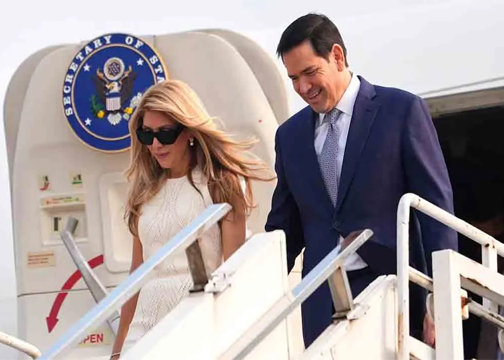
১৭ থেকে ২২ অক্টোবর ২০২৬ পর্যন্ত মার্কিন পররাষ্ট্রমন্ত্রী মার্কো রুবিওর বহুল আলোচিত পাঁচ দিনের ভারত ও উজবেকিস্তান সফর আন্তর্জাতিক কূটনৈতিক অঙ্গনে নতুন সমীকরণের ইঙ্গিত দিচ্ছে। ওয়াশিংটন ও নয়াদিল্লির মধ্যে প্রস্তাবিত দ্বিপাক্ষিক বাণিজ্য চুক্তি (BTA), যুক্তরাষ্ট্রের নতুন শুল্কনীতি এবং H-1B ভিসা সংক্রান্ত আইনি জটিলতার কারণে যখন দু'দেশের মধ্যে সম্পর্কের টানাপোড়েন তীব্র, ঠিক সেই মুহূর্তে এই সফর অনুষ্ঠিত হতে যাচ্ছে।
হোয়াইট হাউসের তথ্য অনুযায়ী, এই সফরে রুবিও ভারতের বাণিজ্যিক হাব মুম্বই ও জ্বালানি প্রক্রিয়াজাতকরণের কেন্দ্র জামনগরে বিভিন্ন বৈঠকে অংশ নেবেন। এছাড়া মধ্য এশিয়ায় প্রভাব বাড়াতে তিনি উজবেকিস্তানের সমরখন্দে C5+1 মন্ত্রী পর্যায়ের সম্মেলনেও অংশগ্রহণ করবেন।
১. ভারত-আমেরিকা সম্পর্কের মূল টানাপোড়েন: বাণিজ্য, শুল্ক ও ভিসা নীতি
চলতি বছরের মে মাসে কোয়াড (Quad) পররাষ্ট্রমন্ত্রী পর্যায়ের বৈঠকের পর এটি রুবিওর দ্বিতীয় ভারত সফর। তবে দ্বিপাক্ষিক সম্পর্কের সাম্প্রতিক কিছু তিক্ততা এই সফরকে জটিল করে তুলেছে:
• বাণিজ্য চুক্তিতে অনিশ্চয়তা: চলতি বছরের ফেব্রুয়ারিতে উভয় দেশ একটি অন্তর্বর্তী বাণিজ্য চুক্তির কাঠামো ঘোষণা করলেও আমেরিকার পরিবর্তিত শুল্ক কাঠামোর কারণে প্রক্রিয়াটি থমকে গেছে। কেন্দ্রীয় বাণিজ্য ও শিল্পমন্ত্রী পীযূষ গোয়েল সম্প্রতি স্বীকার করেছেন যে প্রেক্ষাপট বদলে গেছে এবং পরিবর্তিত পরিস্থিতি বিবেচনা করেই চূড়ান্ত চুক্তি করতে হবে।
• H-1B ভিসা ও গ্রিন কার্ডে নতুন বাধা: মার্কিন প্রশাসনের নতুন অভিবাসন নীতি অনুযায়ী H-1B ভিসার ফি ১ লাখ ডলারে উন্নীত করা এবং Permanent Labor Certification (PERM) স্থগিত করার সিদ্ধান্তে ভারতীয় প্রযুক্তি খাত (যেমন: Infosys, TCS, Wipro) বড় ধরনের ধাক্কা খেয়েছে। মার্কিন ভাইস প্রেসিডেন্ট জেডি ভ্যান্সের "আমেরিকানদের আগে নিয়োগ" দেওয়ার আহ্বানের জবাবে ভারতের পররাষ্ট্র মন্ত্রণালয় এই মন্তব্যকে "গভীরভাবে অপমানজনক" বলে আখ্যা দিয়েছে।
• জ্বালানি ও বাণিজ্য ভারসাম্য: একদিকে ওয়াশিংটন ভারতের রুশ জ্বালানি আমদানির ওপর রাশ টানতে চায়, অন্যদিকে জামনগর সফরের মধ্য দিয়ে মার্কিন জ্বালানি সংস্থাগুলোর জন্য ভারতের রিফাইনিং ও ক্লিন এনার্জি খাতে বড় বাণিজ্যিক বিনিয়োগ উন্মুক্ত করাই রুবিওর মূল কৌশল।
২. দক্ষিণ এশিয়ার ভূ-রাজনীতিতে এই সফরের প্রভাব
দক্ষিণ এশিয়ায় চিনের ক্রমবর্ধমান অর্থনৈতিক ও সামরিক প্রভাব রুখতে ভারত-আমেরিকা অক্ষ অত্যন্ত গুরুত্বপূর্ণ। তবে বিশ্বরাজনীতির বর্তমান পেক্ষাপটে রুবিওর এই সফর আঞ্চলিক সমীকরণে নতুন মাত্রা যোগ করছে:
• কোয়াড (Quad) ও চীন প্রতিরোধ: এশিয়া-প্যাসিফিক অঞ্চলে বেইজিংয়ের প্রভাব মোকাবিলায় যুক্তরাষ্ট্র ভারতকে প্রধান ভিত্তি হিসেবে দেখে। অর্থনৈতিক মতপার্থক্য সত্ত্বেও নিরাপত্তা ও প্রতিরক্ষা ক্ষেত্রে যৌথ অংশীদারিত্ব অব্যাহত রাখার স্পষ্ট বার্তা দিবে এই সফর।
• মধ্য এশিয়ায় নজর : উজবেকিস্তানের সমরখন্দে কিরঘিজস্তান, কাজাখস্তান, তাজিকিস্তান, তুর্কমেনিস্তান ও উজবেকিস্তানের সঙ্গে যুক্তরাষ্ট্রের C5+1 বৈঠক প্রমাণ করে যে ওয়াশিংটন চীন ও রাশিয়ার প্রথাগত ভূ-রাজনৈতিক প্রভাবের ভেতরে নিজস্ব বাণিজ্য ও জ্বালানি পথ তৈরি করতে চাচ্ছে।
• আঞ্চলিক শক্তির ভারসাম্য: ওয়াশিংটন ও নয়াদিল্লির বাণিজ্যিক টানাপোড়েন সাময়িকভাবে স্পষ্ট হলেও নিরাপত্তা ইস্যুতে তাদের ঐকমত্য দক্ষিণ এশিয়ায় ভারতের কৌশলগত অবস্থানকে মার্কিন সমর্থন ধরে রাখতে সাহায্য করবে।
৩. বাংলাদেশের রাজনৈতিক ও অর্থনৈতিক প্রেক্ষাপটে সম্ভাব্য প্রভাব
মার্কো রুবিওর এই সফর প্রত্যক্ষভাবে ভারতের জন্য হলেও, পরোক্ষভাবে বাংলাদেশের রাজনৈতিক ও সামষ্টিক অর্থনৈতিক অঙ্গনে এর সুদূরপ্রসারী প্রভাব রয়েছে:
(ক) ভূ-রাজনৈতিক সমীকরণ ও রাজনৈতিক প্রভাব
• যুক্তরাষ্ট্র-ভারত সমঝোতার চাপ: ওয়াশিংটন দক্ষিণ এশীয় অঞ্চলকে দেখতে ভারতের কৌশলগত চোখ অনেকটাই ব্যবহার করে থাকে। ভারত ও আমেরিকার মধ্যে যদি নিরাপত্তা ও অর্থনৈতিক সংহতি বাড়ে, তবে বাংলাদেশে অবাধ গণতান্ত্রিক চর্চা, মানবাধিকার ও রাজনৈতিক স্থিতিশীলতা নিশ্চিত করার ক্ষেত্রে ওয়াশিংটন ভারতের রাজনৈতিক চাওয়াকে কতটুকু ছাড় দেবে বা সমন্বয় করবে—তা বাংলাদেশের রাজনৈতিক দলগুলোর জন্য একটি বড় বিবেচ্য বিষয় হবে।
• দক্ষিণ এশীয় রাজনীতিতে ভারসাম্যের খেলা: বাংলাদেশ বর্তমানে চীন ও ভারতের পাশাপাশি মার্কিন পররাষ্ট্রনীতির সঙ্গেও বাণিজ্যিক ও কৌশলগত ভারসাম্য বজায় রেখে চলছে। ভারত-আমেরিকা সম্পর্কের এই নতুন মোড় ঢাকায় চীন ও আমেরিকার মধ্যে প্রভাব বিস্তারের প্রতিযোগিতাকে আরও তীব্র করতে পারে।
(খ) অর্থনৈতিক ও বাণিজ্যিক প্রভাব
• পোশাক ও তৈরি পণ্য রফতানিতে প্রতিযোগিতা: ভারত যদি যুক্তরাষ্ট্রের বাজারে শুল্ক সুবিধা আদায়ে সফল হয়, তবে পোশাক ও অন্যান্য রফতানি খাতে বাংলাদেশের ওপর চাপ বাড়তে পারে। তবে মার্কিন শুল্কনীতি যদি ভারতের ওপর কঠোর থাকে, তবে আমেরিকার বাজারে বাংলাদেশি পণ্যের প্রতিদ্বন্দ্বিতা কিছুটা স্বস্তি পাবে।
• অভিবাসন ও তথ্যপ্রযুক্তি খাত (IT Sector): মার্কিন প্রশাসন ভারতীয় আইটি কর্মীদের ওপর H-1B ভিসা কড়াকড়ি করায় ভারতের আইটি ইন্ডাস্ট্রি কিছুটা ধাক্কা খেয়েছে। এতে মার্কিন টেক-কোম্পানিগুলো বিকল্প আউটসোর্সিং হাব হিসেবে বাংলাদেশ ও অন্যান্য প্রতিবেশীদের বিবেচনায় নিতে পারে, যা বাংলাদেশের আইটি ও ফ্রিল্যান্সিং খাতের জন্য একটি সম্ভাব্য সুযোগ তৈরি করতে পারে।
শেষ কথা
মার্কিন পররাষ্ট্রমন্ত্রী মার্কো রুবিওর ভারত ও উজবেকিস্তান সফর কেবল বাণিজ্যিক মতপার্থক্য নিরসনের দ্বিপাক্ষিক প্রয়াস নয়, বরং এটি দক্ষিণ ও মধ্য এশিয়ায় ওয়াশিংটনের দীর্ঘমেয়াদী কৌশলগত উপস্থিতি জোরদারের পদক্ষেপ। শুল্ক ও ভিসা বিতর্ক সত্ত্বেও দুই গণতান্ত্রিক পরাশক্তির কৌশলগত জোট অপরিবর্তিত থাকছে। তবে এই সফরের ফলাফল পুরো দক্ষিণ এশিয়ার অর্থনৈতিক গতিপথের পাশাপাশি বাংলাদেশের আঞ্চলিক রাজনীতি ও বৈদেশিক বাণিজ্যের কৌশলে নতুন সমীকরণ সৃষ্টি করতে যাচ্ছে।
লেখক: ড. আবুল হাসনাৎ মিল্টন,সাংবাদিক, রাজনৈতিক বিশ্লেষক ও প্রধান সম্পাদক, দ্যা সোর্স নিউজ বাংলা (The Source News Bangla)
The highly discussed five-day visit of US Secretary of State Marco Rubio to India and Uzbekistan from October 17 to 22, 2026, signals new equations in international diplomatic circles. This visit comes at a time when relations between Washington and New Delhi are strained over the proposed Bilateral Trade Agreement (BTA), new US tariff policies, and legal complexities surrounding H-1B visas.
According to White House disclosures, Rubio will participate in various meetings in Mumbai, India’s commercial hub, and Jamnagar, a major energy processing center. Additionally, to expand US influence in Central Asia, he will participate in the C5+1 Ministerial Summit in Samarkand, Uzbekistan.
1. Key Friction Points in US–India Relations: Trade, Tariffs, and Visa Policies
This marks Rubio’s second official visit to India this year, following the Quad Foreign Ministers’ Meeting in May. However, recent frictions in bilateral ties have complicated the context of this visit:
• Uncertainty Over Trade Agreement: Although both countries announced a framework for an interim trade agreement in February this year, the process stalled due to altered US tariff structures. India's Union Minister of Commerce and Industry Piyush Goyal recently acknowledged that the underlying circumstances have changed and that the final agreement must be framed considering these new realities.
• New Hurdles in H-1B Visas and Green Cards: The US administration's new immigration policies—including raising the H-1B visa fee to $100,000 and suspending the Permanent Labor Certification (PERM) process—have dealt a significant blow to the Indian IT sector (e.g., Infosys, TCS, Wipro). In response to US Vice President JD Vance’s call to "hire Americans first," India’s Ministry of External Affairs termed the remarks "deeply insulting."
• Energy and Trade Balance: While Washington seeks to curb India’s imports of Russian energy, Rubio’s visit to Jamnagar aims to open substantial commercial investments for US energy companies in India’s refining and clean energy sectors.
2. Impacts of the Visit on South Asian Geopolitics
The US–India axis remains crucial to countering China's growing economic and military footprint in South Asia. However, in the current global political landscape, Rubio’s visit adds new dimensions to regional equations:
• Quad and Countering China: Washington views India as a cornerstone in offsetting Beijing’s influence in the Indo-Pacific region. Despite economic disagreements, this visit sends a clear signal of continued strategic partnership in defense and security.
• Focus on Central Asia (C5+1 Summit): The US engagement in Samarkand with Kyrgyzstan, Kazakhstan, Tajikistan, Turkmenistan, and Uzbekistan through the C5+1 framework demonstrates Washington's ambition to establish trade and energy corridors within traditional spheres of Chinese and Russian geopolitical influence.
• Regional Power Balance: While commercial frictions between Washington and New Delhi are temporarily visible, their consensus on security issues ensures that India’s strategic position in South Asia retains US backing.
3. Potential Impacts on Bangladesh’s Political and Economic Landscape
Although Marco Rubio’s visit is primarily directed at India, it carries far-reaching indirect implications for Bangladesh’s political and macroeconomic environment:
(A) Geopolitical Equations and Political Impact
• Pressure of US–India Alignment: Washington frequently views the South Asian region through India’s strategic lens. If security and economic cohesion between India and the US deepen, the extent to which Washington accommodates or aligns with India's political preferences regarding democratic practices, human rights, and political stability in Bangladesh will be a critical consideration for Bangladeshi political actors.
• Balancing Act in South Asian Politics: Bangladesh currently maintains a strategic and commercial balance between China, India, and the United States. This evolving turn in US–India relations could intensify competition between Beijing and Washington for influence in Dhaka.
(B) Economic and Commercial Impact
• Competition in Ready-Made Garments and Exports: If India successfully secures tariff concessions in the US market, pressure on Bangladesh’s apparel and export sectors could increase. Conversely, if US tariff policies remain stringent on India, Bangladeshi products may retain a competitive edge in the American market.
• Immigration and IT Sector: As the US administration tightens H-1B visa regulations for Indian IT professionals, Indian tech firms face temporary disruption. This could prompt US technology firms to evaluate Bangladesh and other neighboring nations as alternative outsourcing hubs, creating potential opportunities for Bangladesh’s IT and freelancing sectors.
Conclusion
US Secretary of State Marco Rubio’s visit to India and Uzbekistan is not merely a bilateral effort to resolve trade differences; it represents a long-term strategic move by Washington to reinforce its presence in South and Central Asia. Despite tariff and visa disputes, the strategic alliance between the two democratic powers remains intact. Nevertheless, the outcomes of this visit are poised to shape new equations across South Asia's economic trajectory, as well as Bangladesh's regional politics and foreign trade strategies.
Author: Dr. Abul Hasnat Milton, Journalist, Political Analyst, and Chief Editor, The Source News Bangla