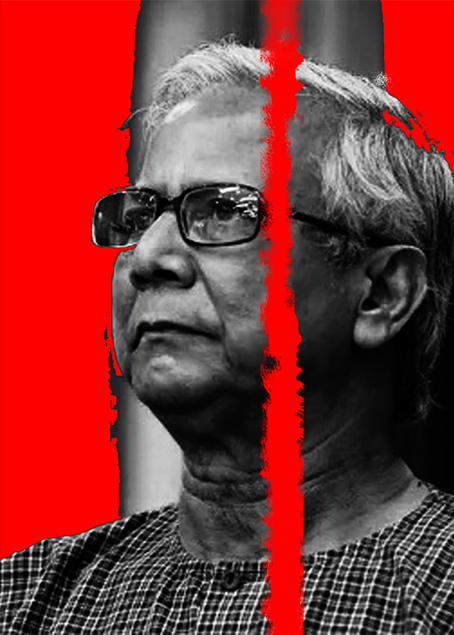
বাংলাদেশের ২০২৬ সালের জনস্বাস্থ্য ও মানবিক সংকটের উৎস সঠিকভাবে চিহ্নিত করতে হলে কেবল তাত্ক্ষণিক জৈবিক কারণগুলোর বাইরে গিয়ে দেশের পরিবর্তনশীল রাজনৈতিক দৃশ্যপট পরীক্ষা করা প্রয়োজন। ২০২৪ থেকে ২০২৬ সালের মধ্যে বাংলাদেশ তিনটি ভিন্ন শাসনব্যবস্থার মধ্য দিয়ে অতিক্রম করেছে: শেখ হাসিনার অধীনে কেন্দ্রীভূত আওয়ামী লীগ সরকার, ড. মুহাম্মদ ইউনূসের নেতৃত্বে অন্তর্বর্তীকালীন সরকার এবং তারেক রহমানের নেতৃত্বে বাংলাদেশ জাতীয়তাবাদী দল (বিএনপি) সরকার। প্রতিটি পরিবর্তন রাষ্ট্রের আইনশৃঙ্খলা কাঠামো, নিয়ন্ত্রণ ব্যবস্থা এবং প্রশাসনিক সক্ষমতাকে মৌলিকভাবে পরিবর্তিত করেছে। এর ফলে সৃষ্ট প্রাতিষ্ঠানিক সংঘাত দেশের সামাজিক নিরাপত্তা বেষ্টনীকে ক্ষতিগ্রস্ত করেছে এবং নিয়মিত টিকাদান কর্মসূচীকে ব্যাহত করেছে, যা প্রান্তিক জনগোষ্ঠীকে পদ্ধতিগত সহিংসতা এবং প্রতিরোধযোগ্য রোগের মুখে ঠেলে দিয়েছে।
কেন্দ্রীয়করণের উত্তরাধিকার: ওপর থেকে চাপানো নিরাপত্তা এবং এর গভীর কাঠামোগত ত্রুটি
প্রধানমন্ত্রী শেখ হাসিনার দীর্ঘদিনের শাসনামলে জনস্বাস্থ্য ও রাষ্ট্রীয় নিরাপত্তা ব্যবস্থা ওপর থেকে চাপানো (Top-down) শাসন ব্যবস্থার দ্বারা পরিচালিত হতো। আইনশৃঙ্খলা রক্ষাকারী বাহিনীর কঠোর নজরদারির মাধ্যমে মৌলবাদী গোষ্ঠী এবং অ-রাষ্ট্রীয় নজরদারি দলগুলোকে কঠোরভাবে দমন করে রাখা হয়েছিল। জনস্বাস্থ্য খাতে এই সরকার প্রাথমিক অবকাঠামো সম্প্রসারিত করে ১৪,০০০-এরও বেশি কমিউনিটি ক্লিনিকের একটি নেটওয়ার্ক পরিচালনা করেছিল, যা প্রাথমিক স্বাস্থ্যসেবা প্রদান এবং প্রসারিত টিকাদান কর্মসূচির (EPI) মাধ্যমে শিশুদের উচ্চ টিকাদানের হার বজায় রাখতে সক্ষম হয়েছিল।
জবাবদিহিতার শূন্যতা: প্রশাসনিক স্থবিরতা এবং ভ্যাকসিন সংগ্রহের ব্যাঘাত
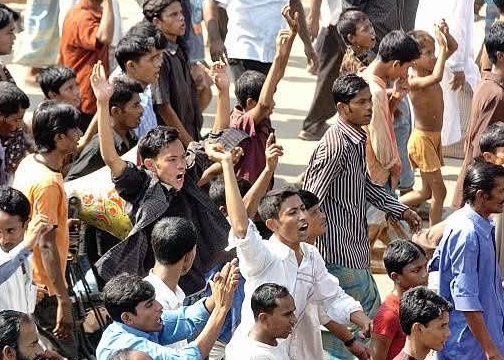
২০২৪ সালের আগস্টের রাজনৈতিক অভ্যুত্থানের পর আওয়ামী লীগ সরকারের হঠাৎ পতনে রাষ্ট্রীয় ক্ষমতার তীব্র শূন্যতা তৈরি হয়। ড. মুহাম্মদ ইউনূসের নেতৃত্বাধীন অন্তর্বর্তীকালীন সরকারের সময় আইনশৃঙ্খলা রক্ষাকারী সংস্থাগুলোর মধ্যে ব্যাপক হতাশা ও প্রাতিষ্ঠানিক ধসের কারণে দেশ দুর্বল ব্যবস্থাপনা, শাসনহীনতা এবং অভূতপূর্ব নিরাপত্তা শূন্যতার সম্মুখীন হয়। হিজবুত তাহরীরসহ বিভিন্ন স্থানীয় চরমপন্থী গোষ্ঠী এই দুর্বলতার সুযোগ নিয়ে দ্রুত তাদের তৎপরতা বৃদ্ধি করে এবং জনমতে প্রভাব ফেলতে শুরু করে। রাষ্ট্রীয় বাহিনী যখন পরিস্থিতি নিয়ন্ত্রণে হিমশিম খাচ্ছিল, তখন ঐতিহাসিক মাজার, হিন্দু মন্দির এবং সাংস্কৃতিক স্মৃতিস্তম্ভগুলো অগ্নিসংযোগ ও লুটপাটের শিকার হয়।
একই সময়ে বেসামরিক আমলাতন্ত্রের মধ্যে প্রশাসনিক স্থবিরতা নেমে আসে। ২০২৪ থেকে ২০২৫ সালের মধ্যে জাতীয় ভ্যাকসিন সংগ্রহ, কোল্ড-চেইন রক্ষণাবেক্ষণ এবং বাজেট বরাদ্দের মতো গুরুত্বপূর্ণ সিদ্ধান্ত গ্রহণ প্রক্রিয়া স্তব্ধ হয়ে পড়ে। সংগ্রহ প্রক্রিয়ার এই ব্যাঘাতের কারণে হাম-রুবেলা টিকার তীব্র সংকট দেখা দেয়, যা টিকা না পাওয়া অরক্ষিত শিশুদের একটি বিশাল গোষ্ঠী তৈরি করে। সরবরাহ শৃঙ্খলের এই বিঘ্নই মাত্র কয়েক মাস পর দেশজুড়ে বিস্ফোরক স্বাস্থ্য সংকটের ভিত্তিপ্রস্তর স্থাপন করে।
দলীয় প্রভাব ও অতিবাড়াবাড়ি: যুব অঙ্গসংগঠনের হস্তক্ষেপ ও নাগরিক তদারকির ক্ষয়
২০২৬ সালের ফেব্রুয়ারি মাসের সাধারণ নির্বাচনের পর প্রধানমন্ত্রী তারেক রহমানের নেতৃত্বে বাংলাদেশ জাতীয়তাবাদী দল (বিএনপি) ক্ষমতা গ্রহণ করে। ভঙ্গুর প্রাতিষ্ঠানিক কাঠামোকে স্থিতিশীল করার বদলে এই রূপান্তরে ধর্মীয় মৌলবাদী গোষ্ঠীগুলোকে ছাড় দেওয়া হয় এবং ক্ষমতাসীন দলের যুব ও ছাত্র সংগঠনগুলোর অপরাধমূলক কর্মকাণ্ড বৃদ্ধি পায়। কেবল ২০২৬ সালের জানুয়ারি থেকে এপ্রিল মাসের মধ্যেই মানবাধিকার সংস্থাগুলো প্রায় প্রতিটি জেলাজুড়ে সংখ্যালঘু সম্প্রদায়কে লক্ষ্য করে ৫০৫টি পৃথক সহিংসতার ঘটনা নথিভুক্ত করেছে। এই রাজনৈতিক অতিবাড়াবাড়ির পরিবেশে জনস্বাস্থ্য খাত আরও অবনতির দিকে যায়। অন্তর্বর্তীকালীন সময়ে জমে থাকা টিকার ঘাটতি রাজনৈতিক প্রভাবের সাথে সংঘর্ষে জড়ায়, যেখানে স্থানীয় দলীয় ক্যাডাররা হাসপাতাল ব্যবস্থাপনা এবং ওষুধ বিতরণ নেটওয়ার্কে হস্তক্ষেপ করতে শুরু করে। ফলে, হামের প্রাদুর্ভাব দ্রুত একটি বড় জাতীয় জরুরি অবস্থায় রূপ নেয়, যা রাষ্ট্রযন্ত্রের খোলসম সর্বস্ব চিকিৎসা প্রতিষ্ঠানগুলোকে একটি কার্যকর ও সমন্বিত পদক্ষেপ নিতে অক্ষম করে তোলে।
পরপর তিনটি শাসননামায় দৃশ্যমান রাজনৈতিক অস্থিরতা প্রমাণ করে যে কীভাবে প্রাতিষ্ঠানিক অস্থিতিশীলতা এবং প্রশাসনিক স্থবিরতা সরাসরি জনস্বাস্থ্যের ব্যর্থতায় পর্যবসিত হয়। জনআস্থা ও স্বাস্থ্য সুরক্ষা পুনর্গঠনের জন্য ভ্যাকসিন সংগ্রহ এবং দেওয়ানি প্রশাসনের মতো গুরুত্বপূর্ণ আমলাতান্ত্রিক প্রক্রিয়াগুলোকে দলীয় হস্তক্ষেপ ও রাজনৈতিক প্রবাহ থেকে মুক্ত রাখা অপরিহার্য।
লেখক: আলি কবীর,ব্যবস্থাপনা বিশেষজ্ঞ,টরেন্টো,কানাডা
To accurately trace the origins of Bangladesh's 2026 public health and humanitarian crises, one must look beyond immediate biological variables and conduct an audit of the country's shifting political landscape. Between 2024 and 2026, Bangladesh transitioned through three distinct governance regimes: the centralized Awami League administration under Sheikh Hasina, an interim caretaker government led by Dr. Muhammad Yunus, and the Bangladesh Nationalist Party (BNP) administration under Tarique Rahman. Each transition fundamentally altered the state’s law enforcement structures, regulatory mechanisms, and administrative capabilities. The resulting institutional friction eroded the country's social safety nets and disrupted its routine immunization networks, leaving marginalized populations exposed to systemic violence and preventable diseases.
The Centralization Legacy: Top-Down Security and its Deep Structural Faults
Under the long-standing administration of Prime Minister Sheikh Hasina, public health and state security were characterized by a top-down model of governance. The state maintained tight law enforcement oversight, keeping radical fundamentalist networks and non-state vigilante groups strictly suppressed. In the public health sector, the administration expanded baseline infrastructure, operating a network of over 14,000 community clinics designed to provide primary care and maintain high routine childhood immunization rates via the Expanded Programme on Immunization (EPI).
The Accountability Void: Administrative Freeze and the Break in Vaccine Procurement
Following the political uprising of August 2024, the sudden exit of the Awami League administration led to a severe dissolution of state authority. During the interim caretaker government led by Dr. Muhammad Yunus, the country experienced poor management, governance, and an unprecedented security vacuum as law enforcement agencies faced widespread demoralization and institutional collapse. Radical groups, including Hizb ut-Tahrir and localized extremist networks, moved quickly to exploit this vulnerability, expanding their operational presence and influencing public discourse. Historic shrines, Hindu temples, and cultural monuments became frequent targets of arson and looting while state forces struggled to intervene.
Simultaneously, administrative paralysis took hold within the civil bureaucracy. Between 2024 and 2025, crucial decision-making regarding national vaccine procurement, cold-chain maintenance, and budget allocations ground to a halt. The breakdown of these procurement channels caused severe shortages of the measles-rubella vaccine, creating a massive pool of unprotected, zero-dose children. This supply-chain disruption laid the groundwork for the explosive, nationwide health crisis that erupted just months later.
Partisan Overreach: Local Youth Front Interference and the Erosion of Civil Oversight
Following the general elections of February 2026, the Bangladesh Nationalist Party (BNP) took office under the leadership of Prime Minister Tarique Rahman. Rather than stabilizing the country's fragile institutions, this transition has seen a continued accommodation of religious fundamentalist factions, combined with an escalation of criminal activity by ruling party youth and student fronts. Between January and April 2026 alone, human rights monitors documented 505 distinct acts of violence targeting minority communities across nearly every district. In this environment of partisan overreach, the public health sector has degraded further. The accumulated vaccine shortages from the interim period collided with a wave of political patronage, where local party cadres began meddling in hospital management and medical distribution networks. As a result, the measles outbreak quickly expanded into a major national emergency, leaving the state's hollowed-out medical institutions unable to mount an effective, coordinated intervention.
Concluding Summary: The political volatility witnessed across these three successive eras demonstrates how institutional instability and administrative paralysis directly translate into public health failures. Rebuilding public trust and health security requires insulating vital bureaucratic mechanisms—such as vaccine procurement and civil administration—from partisan disruption and shifting political winds.
Author: Ali Kabir, Management Specialist, Toronto, Canada