একসময় যে ডেঙ্গুর আতঙ্ক কেবল রাজধানীর ইটের খাঁচায় বন্দি ছিল, আজ তা বিষাক্ত ডানা মেলে ছড়িয়ে পড়েছে দেশের আনাচে-কানাচে, শান্ত-শ্যামল গ্রামে। মেঠোপথ পেরিয়ে এই অদৃশ্য আততায়ী এখন হানা দিচ্ছে প্রতিটি মাটির ঘরে, কাঠের দুয়ারে।
শুরুটা ঢাকার বাইরে বিভাগীয় শহর হলেও, এখন ইউনিয়ন ও গ্রাম পর্যায় পর্যন্ত ছড়িয়ে পড়েছে এডিস মশার বংশবৃদ্ধি। হাসপাতালের বেডে ছটফট করা নিষ্পাপ শিশুদের করুণ আকুতি আর স্বজনদের গুমরে কাঁদা কান্নায় ভারী হয়ে উঠেছে বাতাস। ডাক্তার ও জনস্বাস্থ্যবিদদের চোখেমুখে এখন শুধুই আশঙ্কার অন্ধকার—এভাবে চলতে থাকলে গ্রামের পর গ্রাম জুড়ে নেমে আসবে এক একাকিনী মহামারীর বিভীষিকা।
১. ঢাকা মেডিকেলেই যেন গ্রামের করুণ প্রতিচ্ছবি
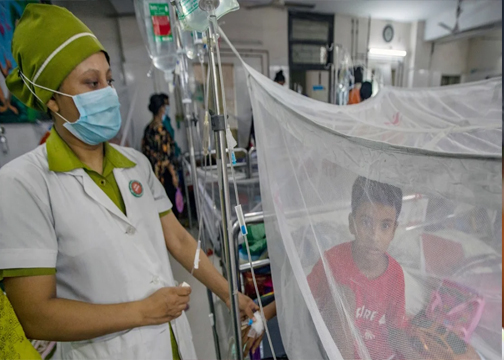
রাজধানীর ঢাকা মেডিক্যাল কলেজ হাসপাতাল, শিশু হাসপাতাল, মুগদা কিংবা সোহরাওয়ার্দী হাসপাতালের শয্যাগুলোর দিকে তাকালেই স্পষ্ট হয়ে ওঠে গ্রামীণ জনপদের কতটা করুণ দশা। চিকিৎসকরা জানাচ্ছেন, হাসপাতালে আসা সংকটাপন্ন রোগীদের বড় একটি অংশই এসেছে দূরদূরান্তের গ্রাম থেকে। আর তাদের মধ্যে সবচেয়ে বেশি কাবু হয়ে পড়েছে নিষ্পাপ শিশুরা।
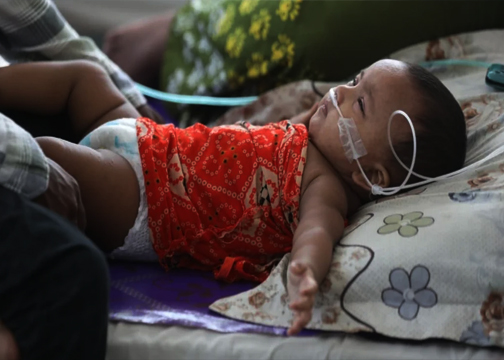
অধিকাংশ শিশুই হাসপাতালে আসছে অত্যন্ত গুরুতর অবস্থায়। তাদের বাঁচিয়ে রাখতে যেখানে জরুরি আইসিইউ বা নিবিড় পরিচর্যা, সেখানে আইসিইউর অভাবে স্বজনদের চোখের সামনেই নিভে যাচ্ছে এক একটি ফুটফুটে জীবনের প্রদীপ। চিকিৎসকরা বলছেন, সময়মতো আইসিইউ না পেয়ে মৃত্যুর কোলে ঢলে পড়া শিশুদের সংখ্যা দিন দিন বেড়েই চলেছে।
২. ‘নীরব ঘাতক’ ডেঙ্গু ও বাবা-মায়ের না-জানার চরম মূল্য
গ্রামাঞ্চলে ডেঙ্গু নিয়ে সচেতনতার অভাব যেন আরও এক বড় নীরব ঘাতক হয়ে দাঁড়িয়েছে। চিকিৎসা বিশেষজ্ঞদের পর্যবেক্ষণ অত্যন্ত ভয়াবহ। গ্রামের অনেক বাবা-মা এখনও ডেঙ্গু আর সাধারণ জ্বরের তফাত বোঝেন না। সন্তান একটু জ্বরে কাতরালেই ফার্মেসি থেকে প্যারাসিটামল এনে খাইয়ে দেন। দুই দিন পর জ্বর একটু কমলেই স্বস্তির নিঃশ্বাস ফেলেন, ভাবেন সন্তান হয়তো সেরে উঠেছে।
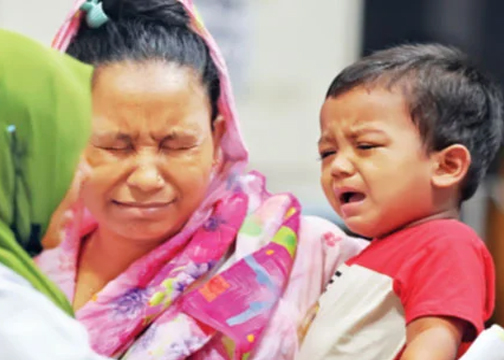
কিন্তু তারা জানেন না, এটিই ডেঙ্গুর সবচেয়ে মারাত্মক রূপ! দু-একদিন পর যখন হুট করে আবার জ্বর আসে, ততক্ষণে সন্তানের ভেতরের অঙ্গপ্রত্যঙ্গগুলো নিস্তেজ হতে শুরু করে। চোখের সামনে নিজের আদরের সন্তানকে নিস্তেজ হয়ে যেতে দেখে দিশেহারা মা-বাবা ছুটতে থাকেন ঢাকার দিকে। কিন্তু দীর্ঘ পথ পার হতে হতেই পথিমধ্যে শেষ নিঃশ্বাস ত্যাগ করে অবুঝ শিশুটি। হাসপাতালের জরুরি বিভাগে পৌঁছানোর পর যখন ডাক্তার মৃত ঘোষণা করেন, তখন অঝোরে কান্না ছাড়া নিঃস্ব বাবা-মায়ের আর কিছুই করার থাকে না।
৩. একটি খালি বেডের করুণ আকুতি এবং ফোনের ওপাশের অসহায়ত্ব
শিশু হাসপাতালের জরুরি বিভাগের দৃশ্য দেখলে যে কারও চোখ ভিজে উঠবে। সারাদিন ধরে সেখানে একের পর এক আসা অ্যাম্বুলেন্সের সাইরেন আর নিঃশব্দ হাহাকার। ভেতরে ঢোকার প্রতিটি পথেই অপেক্ষমাণ স্বজনদের চোখমুখে বাঁচার আকুতি।
হাসপাতালের একজন প্রবীণ প্রফেসর আবেগাপ্লুত কণ্ঠে জানান, সারাদিন তাঁর ফোনে একটাই কল আসে—“স্যার, আমার বাচ্চাটার শ্বাস কমে আসছে, একটা আইসিইউ বেডের ব্যবস্থা করে দেন, দয়া করে আমার বাচ্চাটাকে বাঁচান!”
কিন্তু আইসিইউ তো খালি নেই! কোনো সাহায্য করতে না পারার চরম অপরাধবোধ আর সীমাহীন মানসিক যন্ত্রণা থেকে একপর্যায়ে তিনি ফোন রিসিভ করাই বন্ধ করে দিতে বাধ্য হন। দেশের আইসিইউ সংকট আজ এমন পর্যায়ে যে, রোগীর জরুরি মুহূর্তে একটু ‘লাইফ সাপোর্ট’ পাওয়া যেন স্রেফ ভাগ্যের খেলা হয়ে দাঁড়িয়েছে।
৪. প্রান্তিক পর্যায়ে মশক নিধনের শূন্যতা ও অব্যবস্থাপনার হাহাকার
কেন আজ গ্রামের এই বিপর্যয়? বিশেষজ্ঞরা আঙুল তুলছেন মশক নিধনে সঠিক ব্যবস্থাপনার তীব্র ঘাটতির দিকে। রাজধানীতে অন্তত কিছুটা জনবল ও যন্ত্রপাতি থাকলেও উপজেলা কিংবা ইউনিয়ন পর্যায়ে মশা মারার কোনো কার্যকর ব্যবস্থাই নেই। কিছু জায়গায় বড়জোর ইউনিয়ন পরিষদের কার্যালয়ে দু-একটি স্প্রে থাকলেও, তা বিশাল গ্রামের তুলনায় বিন্দুমাত্র।
মহাখালী জাতীয় প্রতিষেধক ও সামাজিক চিকিৎসা প্রতিষ্ঠানের (নিপসিম) কীটতত্ত্ব বিভাগের প্রধান অধ্যাপক ড. মো. গোলাম ছারোয়ার জানান, বৃষ্টির পানিতে গ্রামের ঘরের আনাচে-কানাচে, ফেলে রাখা ভাঙা কলস, প্লাস্টিক, পুরনো টায়ার এমনকি কচুপাতা ও তালপাতার কোণে জমে থাকা স্বচ্ছ পানিতে অবলীলায় বংশবৃদ্ধি করছে এডিস মশা। এই নীরব বিস্তার থামানো না গেলে সামনের দিনগুলোতে পরিস্থিতি পুরোপুরি নিয়ন্ত্রণের বাইরে চলে যাবে।
৫. সমন্বিত লড়াই ও সচেতনতার নতুন ডাক
পরিস্থিতি সামাল দিতে ঢাকা মেডিক্যাল কলেজ হাসপাতালের পরিচালক ব্রিগেডিয়ার জেনারেল এ কে এম ফরহাদ জানান, তারা চিকিৎসা ব্যবস্থা সম্প্রসারণ করেছেন, অতিরিক্ত শয্যা প্রস্তুত রেখেছেন এবং অ্যাম্বুলেন্স চলাচলের পথ জটমুক্ত রাখতে নানামুখী পদক্ষেপ নিয়েছেন। তবে শুধু হাসপাতাল সাজিয়ে এই মহামারী রোখা সম্ভব নয়।
জনস্বাস্থ্যবিদ ও স্বাস্থ্য অধিদপ্তরের সাবেক পরিচালক ডা. বেনজীর আহমেদ আশঙ্কার কথা জানিয়ে স্পষ্ট বলেছেন, এটি কেবল সরকারের একার পক্ষে নিয়ন্ত্রণ করা সম্ভব নয়। তিনি জাতীয় পর্যায়ে সমন্বিত উদ্যোগের জোর দাবি জানান। স্থানীয় জনপ্রতিনিধি, শিক্ষক, স্কুল-কলেজের শিক্ষার্থী এবং সাধারণ মানুষকে একসাথে মশক নিধন কর্মসূচিতে সম্পৃক্ত না করলে গোটা দেশই এক ভয়াবহ মানবিক বিপর্যয়ের মুখোমুখি দাঁড়াবে।
একই সাথে ঢাকা শিশু হাসপাতালের অধ্যাপক ডা. সফি আহমেদ মোয়াজ পরামর্শ দিয়েছেন, যে কোনো জ্বর হওয়ার ২৪ ঘণ্টার মধ্যেই যেন শিশু ও বড়দের ডেঙ্গু পরীক্ষা করানো হয়।
সময়ের বড্ড অভাব—আজই যদি আমরা সতর্ক না হই, তবে গ্রামের মেঠোপথগুলো আরও অসংখ্য শিশুর অকাল বিদায়ের ট্র্যাজেডিতে ভারী হয়ে উঠবে।
লেখক: ড. আবুল হাসনাৎ মিল্টন,সাংবাদিক, রাজনৈতিক বিশ্লেষক ও প্রধান সম্পাদক, দ্যা সোর্স নিউজ বাংলা (The Source News Bangla)
Once confined within the concrete limits of the capital, the terror of dengue has now spread its venomous wings across the quiet, green villages of the country. Crossing rural paths, this invisible assassin is now striking every mud house and wooden door.
What began in divisional cities outside Dhaka has now escalated into widespread breeding of Aedes mosquitoes down to the union and village levels. The air grows heavy with the desperate cries of innocent children writhing on hospital beds and the muffled weeping of helpless relatives. The eyes of doctors and public health experts are filled with grim foreboding—if this trajectory continues, village after village will be engulfed by the horror of a desolate pandemic.
1. Dhaka Medical Reflects the Tragic Reality of the Countryside
A glance at the beds of Dhaka Medical College Hospital, Bangladesh Shishu (Children's) Hospital, Mugda, or Suhrawardy Hospital immediately reveals the harrowing plight of rural communities. Doctors report that a large portion of the critical patients arriving at these hospitals comes from distant villages—and among them, innocent children are suffering the most.
Most children arrive at the hospitals in extremely critical condition. While they urgently require ICU or intensive care to survive, the acute shortage of ICU beds causes bright, young lives to extinguish right before their loved ones' eyes. Physicians note that the number of children succumbing to death due to a lack of timely ICU care is rising by the day.
2. 'Silent Killer' Dengue and the Ultimate Price of Ignorance
A severe lack of awareness about dengue in rural areas has emerged as another major silent killer. Medical experts share alarming observations. Many rural parents still cannot distinguish between dengue and a common fever. The moment a child shows symptoms of fever, parents buy paracetamol from local pharmacies and administer it themselves. When the fever subsides slightly after two days, they breathe a sigh of relief, thinking their child has recovered.
Little do they know that this is the most dangerous phase of dengue! Within a day or two, when the fever suddenly spikes again, the child's internal organs begin to fail. Seeing their beloved child turn unresponsive before their eyes, panicked parents rush toward Dhaka. But during the long journey, the helpless child breathes their last on the road. By the time they reach the hospital emergency department and doctors declare the child dead, the destitute parents are left with nothing to do but weep inconsolably.
3. Desperate Pleas for an Empty Bed and Helplessness on the Line
The scene at the emergency ward of the Children's Hospital is enough to bring anyone to tears. Sirens of arriving ambulances and silent heartbreak echo throughout the day. In every corridor, waiting relatives wear expressions of desperate anguish, pleading for a chance at life.
A senior professor at the hospital shared with an emotional voice that his phone rings continuously with a single plea: "Sir, my child's breathing is failing, please arrange an ICU bed, please save my child!"
But there are no empty ICU beds. Burdened by an overwhelming sense of helplessness and psychological strain over being unable to assist, he is eventually forced to stop answering the phone. The country's ICU crisis has reached such a severe point that securing life support in a patient's critical moment has become a mere gamble of fate.
4. Total Absence of Mosquito Control in Rural Areas and Mismanagement
Why has this catastrophe hit rural areas so severely? Experts point toward an extreme deficiency in proper mosquito control management. While the capital possesses at least some manpower and equipment, there is virtually no effective mosquito control mechanism at the upazila or union levels. In some areas, at best, a couple of spray machines exist at the Union Parishad office—a mere drop in the ocean compared to the vast countryside.
Professor Dr. Md. Golam Sarwar, Head of the Entomology Department at the National Institute of Preventive and Social Medicine (NIPSOM) in Mohakhali, explains that Aedes mosquitoes are breeding effortlessly in clear water collected in discarded broken clay pots, plastic containers, old tires, and even on taro and palm leaves around village homes after rain. If this silent spread is not contained immediately, the situation will spiral completely out of control in the coming days.
5. A Call for a United Fight and Heightened Awareness
Addressing the crisis, Brigadier General A K M Farhad, Director of Dhaka Medical College Hospital, stated that they have expanded treatment facilities, prepared extra beds, and cleared ambulance pathways to prevent traffic bottlenecks in front of the emergency department. However, merely equipping hospitals will not be enough to halt this outbreak.
Public health expert and former Director of the Directorate General of Health Services (DGHS), Dr. Be-Nazir Ahmed, warned clearly that controlling this situation is beyond the capacity of the government alone. He urged the immediate launch of a coordinated national effort. Unless local representatives, teachers, school and college students, and the general public are mobilized together in mosquito eradication drives, the entire nation will face a severe humanitarian disaster.
At the same time, Professor Dr. SoFi Ahmed Muaz of Dhaka Children's Hospital advised that children and adults alike should undergo a dengue test within 24 hours of developing any fever.
Time is running out—if we do not act with utmost vigilance today, rural pathways will be burdened with the tragic loss of countless more young lives.
Author: Dr. Abul Hasnat Milton, Journalist, Political Analyst, and Chief Editor, The Source News Bangla