কিরগিজস্তানের রাজধানী বিশকেকে আয়োজিত সাংহাই সহযোগিতা সংস্থার (এসসিও) ২৫ বছর পূর্তি সম্মেলন আন্তর্জাতিক কূটনীতিতে এক ঐতিহাসিক মোড় ঘুরিয়ে দিয়েছে। বৈশ্বিক প্রেক্ষাপটে যুক্তরাষ্ট্রের একমুখী প্রাধান্য, মধ্যপ্রাচ্যের অস্থিতিশীলতা এবং ইউক্রেন যুদ্ধের দীর্ঘস্থায়িত্বের মধ্যে বিশকেকের এই শীর্ষ বৈঠকটি কেবল একটি আনুষ্ঠানিক আঞ্চলিক সম্মেলন নয়, বরং আন্তর্জাতিক সম্পর্কের নতুন সমীকরণের এক সুস্পষ্ট বার্তা উপস্থাপন করেছে।
ট্রিপল-অ্যাক্সিস কূটনীতি: চীন, রাশিয়া ও ভারতের কৌশলী অবস্থান
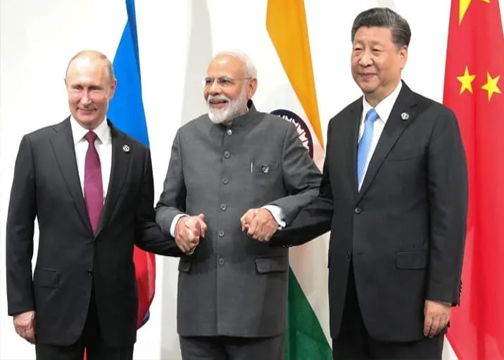
চীন ও রাশিয়ার দ্বিপক্ষীয় বৈঠক এই সম্মেলনের অন্যতম কেন্দ্রবিন্দু হলেও, ভারতের উপস্থিতি একে বহুমাত্রিক রূপ দিয়েছে। চীনের প্রেসিডেন্ট শি জিনপিং ও রাশিয়ার প্রেসিডেন্ট ভ্লাদিমির পুতিনের বৈঠকে বহুমেরু বিশ্বব্যবস্থা গঠনের যে অঙ্গীকার পুনর্ব্যক্ত হয়েছে, তা মূলত পশ্চিমা নেতৃত্বাধীন বৈশ্বিক কাঠামোর বিকল্প গড়ে তোলার প্রয়াস। শি জিনপিংয়ের স্পষ্ট বার্তা ছিল—আন্তর্জাতিক অনিশ্চয়তা সত্ত্বেও বেইজিং-মস্কো সম্পর্কের ভিত্তি অটুট থাকবে।
অন্যদিকে, ভারতের প্রধানমন্ত্রী নরেন্দ্র মোদির কৌশলগত ভূমিকা আন্তর্জাতিক বিশ্লেষকদের দৃষ্টি আকর্ষণ করেছে। পুতিনের সঙ্গে আলোচনায় মোদি একদিকে যেমন সংঘাত বন্ধ করে শান্তির পথে হাঁটার এবং মানবতার স্বার্থ সুরক্ষার আকুল আবেদন জানিয়েছেন, অন্যদিকে তেমনি রাশিয়ার সঙ্গে ভারতের অর্থনৈতিক স্বার্থ, বিশেষ করে জ্বালানি নিরাপত্তা রক্ষার বার্তা স্পষ্ট করেছেন। পশ্চিমা নিষেধাজ্ঞা সত্ত্বেও রাশিয়ার অপরিশোধিত তেলের বড় ক্রেতা হিসেবে ভারত যেভাবে নিজের অর্থনৈতিক ও কৌশলগত স্বায়ত্তশাসন বজায় রেখেছে, তা মার্কিন নীতির কৌশলগত সীমাবদ্ধতাকেই সামনে এনেছে।
মধ্যপ্রাচ্য ও ইরানের উপস্থিতি: নতুন কৌশলগত মেরুকরণ
বিশকেকে সম্মেলনের ফাঁকে নরেন্দ্র মোদির সঙ্গে ইরানের নতুন প্রেসিডেন্ট মাসুদ পেজেশকিয়ানের প্রথম দ্বিপক্ষীয় বৈঠকটি ছিল একটি অভূতপূর্ব কূটনৈতিক ঘটনা। আমেরিকা ও ইরানের সংঘাতপূর্ণ পরিস্থিতি এবং হরমুজ প্রণালি কেন্দ্রিক বৈশ্বিক সরবরাহ ব্যবস্থার সংকটের মধ্যে ভারত ও ইরানের মধ্যপ্রাচ্যের শান্তি, নিরাপত্তা এবং অর্থনৈতিক সহযোগিতা নিয়ে আলোচনা নতুন বার্তার ইঙ্গিত দেয়।
পশ্চিমা চাপ উপেক্ষা করে মার্কিন ‘শত্রু’ হিসেবে পরিচিত ইরান এবং রাশিয়ার সঙ্গে ভারতের একই মঞ্চে কার্যকর আলোচনা প্রমাণ করে যে, নতুন অর্থনৈতিক ব্লকের গুরুত্ব বাড়ছে। চীনের ক্রমবর্ধমান প্রভাবের জবাবে ভারত একদিকে যেমন কোয়াড (QUAD)-এর মতো জোটে অংশ নিচ্ছে, তেমনই ইউরেশীয় ভূ-রাজনীতিতে নিজের কৌশলগত স্বায়ত্তশাসন নিশ্চিত করতে মস্কো ও তেহরানের সঙ্গে গভীর যোগাযোগ রক্ষা করছে।
┌────────────────────────────────────────────────────────┐
│ বিশকেক এসসিও সম্মেলনের কৌশলগত অক্ষ │
└───────────────────────────┬────────────────────────────┘
│
┌──────────────────────────┼──────────────────────────┐
▼ ▼ ▼
┌───────────────────┐ ┌───────────────────┐ ┌───────────────────┐
│ চীন-রাশিয়া অক্ষ │ │ ভারত-রাশিয়া অক্ষ │ │ ভারত-ইরান অক্ষ │
├───────────────────┤ ├───────────────────┤ ├───────────────────┤
│ • বহুমেরু বিশ্ব │ │ • শান্তির আহ্বান │ │ • মধ্যপ্রাচ্য শান্তি │
│ • বিকল্প অর্থনীতি │ │ • জ্বালানি নিরাপত্তা │ │ • বাণিজ্য ও রুট │
└───────────────────┘ └───────────────────┘ └───────────────────┘
এসসিও-র কৌশলগত গুরুত্ব ও অভ্যন্তরীণ দ্বিমত
১০টি পূর্ণ সদস্য রাষ্ট্রের এই জোটে চীন, রাশিয়া, ভারত, ইরান ও বেলারুশের মতো প্রভাবশালী দেশের উপস্থিতি একে আন্তর্জাতিক শাসনব্যবস্থার নতুন শক্তিপীঠে পরিণত করেছে। পশ্চিমা আরোপিত একক নিষেধাজ্ঞা, বেপরোয়া শুল্কনীতি ও অর্থনৈতিক বাধার বিপরীতে এটি একটি স্থিতিস্থাপক অর্থনৈতিক প্ল্যাটফর্ম গড়ে তুলছে।
তবে এসসিও কোনো একক চিন্তার সামরিক বা রাজনৈতিক ব্লক নয়। ভারত ও চীনের মধ্যে চলমান সীমান্ত সংঘাত এবং ভূ-রাজনৈতিক প্রতিদ্বন্দ্বিতা এর অভ্যন্তরীণ ভারসাম্যকে জটিল করে তোলে। চীন ও রাশিয়া যখন এই সংস্থাকে পশ্চিমা-বিরোধী ফ্রন্ট হিসেবে পরিচালনা করতে চায়, তখন ভারত একে ব্যবহার করছে কেবল নিজের জাতীয় স্বার্থ এবং আঞ্চলিক স্থিতিশীলতা রক্ষার একটি মাধ্যম হিসেবে।
বৈশ্বিক ক্ষমতার ভারসাম্য ও নতুন বিশ্বব্যবস্থা
বিশকেক শীর্ষ সম্মেলন কেবল কয়েকটি চুক্তির মধ্যে সীমাবদ্ধ নেই, এটি বৈশ্বিক শক্তির ভারসাম্যে এক বড় রূপান্তরের ইঙ্গিত দিচ্ছে। রাশিয়া, চীন, ভারত ও ইরানের এই যৌথ ও আলাদা কূটনৈতিক তৎপরতা বিশ্বরাজনীতিকে একটি বহু-মেরু ব্যবস্থার দিকে ঠেলে দিচ্ছে, যেখানে পশ্চিমা ব্লকের একচ্ছত্র আধিপত্য চ্যালেঞ্জের মুখে পড়েছে। এই কূটনৈতিক কৌশল দীর্ঘমেয়াদে আন্তর্জাতিক বাণিজ্য, নিরাপত্তা এবং বৈশ্বিক শাসনকাঠামোয় নতুন শক্তি ভারসাম্য প্রতিষ্ঠা করতে চলেছে।
লেখক: ড. আবুল হাসনাৎ মিল্টন,সাংবাদিক, রাজনৈতিক বিশ্লেষক ও প্রধান সম্পাদক, দ্যা সোর্স নিউজ বাংলা (The Source News Bangla)
The 25th anniversary summit of the Shanghai Cooperation Organisation (SCO), held in Bishkek, the capital of Kyrgyzstan, marks a historic turning point in international diplomacy. Set against a global backdrop of US unilateral dominance, instability in the Middle East, and the prolonged war in Ukraine, this Bishkek summit was not merely a formal regional gathering; rather, it delivered a distinct message regarding a new equation in international relations.
Triple-Axis Diplomacy: Strategic Positioning of China, Russia, and India
While the bilateral meeting between China and Russia was one of the central highlights of this summit, India's presence added a multidimensional dynamic to it. The commitment to building a multipolar world order, reaffirmed during the meeting between Chinese President Xi Jinping and Russian President Vladimir Putin, represents a concerted effort to establish an alternative to the Western-led global framework. Xi Jinping's message was explicit—despite global uncertainties, the foundation of Beijing-Moscow relations will remain unshakable.
On the other hand, the strategic role played by Indian Prime Minister Narendra Modi drew significant attention from international analysts. In his discussions with Putin, Modi issued a passionate appeal to end the conflict, pursue the path of peace, and safeguard human interests, while simultaneously delivering a clear message regarding India's economic interests with Russia, particularly energy security. India's ability to maintain its economic and strategic autonomy as a major buyer of Russian crude oil despite Western sanctions underscores the strategic limitations of US policy.
Middle East and Iran's Presence: A New Strategic Polarization
The first bilateral meeting between Narendra Modi and Iran's new president, Masoud Pezeshkian, on the sidelines of the Bishkek summit was an unprecedented diplomatic event. Amid the tense confrontation between the US and Iran and the crisis in the global supply chain surrounding the Strait of Hormuz, discussions between India and Iran on Middle Eastern peace, security, and economic cooperation signal a fresh direction.
India's effective engagement on the same platform with Russia and Iran—both labeled as US "adversaries"—while disregarding Western pressure demonstrates the growing significance of new economic blocs. In response to China's expanding influence, India actively participates in alliances like the Quad (QUAD) while simultaneously maintaining deep ties with Moscow and Tehran to ensure its strategic autonomy in Eurasian geopolitics.
┌────────────────────────────────────────────────────────┐
│ Strategic Axes of the Bishkek SCO Summit │
└───────────────────────────┬────────────────────────────┘
│
┌──────────────────────────┼──────────────────────────┐
▼ ▼ ▼
┌───────────────────┐ ┌───────────────────┐ ┌───────────────────┐
│ China-Russia Axis │ │ India-Russia Axis │ │ India-Iran Axis │
├───────────────────┤ ├───────────────────┤ ├───────────────────┤
│ • Multipolar World│ │ • Call for Peace │ │ • Mideast Peace │
│ • Alt. Economy │ │ • Energy Security │ │ • Trade & Routes │
└───────────────────┘ └───────────────────┘ └───────────────────┘
Strategic Importance of the SCO and Internal Divergences
The presence of influential nations such as China, Russia, India, Iran, and Belarus in this 10-member full-state bloc has transformed it into a new powerhouse of international governance. It is forging a resilient economic platform in response to Western-imposed unilateral sanctions, reckless tariff policies, and economic trade barriers.
However, the SCO is not a monolithic military or political bloc. Ongoing border disputes and geopolitical rivalries between India and China complicate its internal balance. While China and Russia seek to steer the organization as an anti-Western front, India utilizes it solely as a vehicle to safeguard its national interests and regional stability.
Global Balance of Power and a New World Order
The Bishkek summit was not confined merely to signing agreements; it signifies a massive transformation in the global balance of power. The joint and individual diplomatic maneuvers of Russia, China, India, and Iran are pushing world politics toward a multipolar system where the absolute dominance of the Western bloc is facing a stern challenge. In the long run, this diplomatic strategy is poised to establish a new balance of power in international trade, security, and global governance structures.
Author: Dr. Abul Hasnat Milton, Journalist, Political Analyst, and Editor-in-Chief, The Source News Bangla.