
শেখ হাসিনাকে ঘিরে দিল্লির কাছে ঢাকার বার্তা: আগস্টের স্মৃতি ও সরকারের রাজনৈতিক উদ্বেগ—ঠিক যেন ইউনূস সরকারের কন্টিনিউয়েশন, "আপনার হাসি আমরা খুব এনজয় করি"—হুমায়ুনকে ত্রিবেদী।
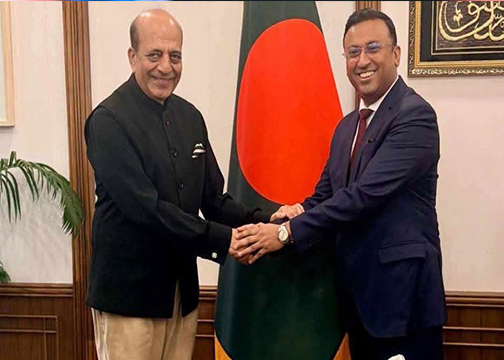
সোমবার (৩ আগস্ট) বিকেলে ঢাকার তেজগাঁওয়ে প্রধানমন্ত্রীর কার্যালয়ে একটি অত্যন্ত তাৎপর্যপূর্ণ কূটনৈতিক বৈঠক অনুষ্ঠিত হয়েছে। প্রধানমন্ত্রী তারেক রহমানের পররাষ্ট্রবিষয়ক উপদেষ্টা হুমায়ুন কবিরের সঙ্গে সৌজন্য সাক্ষাৎ করেছেন ভারতের হাইকমিশনার দীনেশ ত্রিবেদী। বৈঠকে দুই দেশের দ্বিপক্ষীয় সম্পর্কের নানা দিক, পারস্পরিক আস্থা ও অভিন্ন স্বার্থ নিয়ে আলোচনা হলেও, আলোচনার মূল কেন্দ্রবিন্দুতে পরিণত হয় আসন্ন ৫ আগস্ট ঘিরে তৈরি হওয়া একটি রাজনৈতিক গুঞ্জন। সোশ্যাল মিডিয়ায় ছড়িয়ে পড়া খবর অনুযায়ী, শেখ হাসিনা প্রকাশ্যে কোনো বক্তব্য রাখতে পারেন। এই ইস্যুটিকে কেন্দ্র করেই ঢাকা দিল্লির কাছে নিজেদের উদ্বেগ পৌঁছে দিয়েছে।
উপদেষ্টা হুমায়ুন কবির ভারতের হাইকমিশনারকে স্পষ্টভাবে জানিয়েছেন, ভারতের ভূখণ্ড ব্যবহার করে রাজনৈতিক বক্তব্য প্রদান বা বাংলাদেশের অভ্যন্তরে অস্থিতিশীলতা সৃষ্টির উদ্দেশ্যে কোনো কর্মকাণ্ড পরিচালনা করতে না পারে, সে বিষয়ে বাংলাদেশ ভারতের পূর্ণ সহযোগিতা প্রত্যাশা করে।
হাইকমিশনার দীনেশ ত্রিবেদীও বিষয়টি যথাযথভাবে বিবেচনা করে প্রয়োজনীয় খোঁজখবর নেওয়া এবং এ বিষয়ে সচেষ্ট থাকার আশ্বাস দিয়েছেন।
তবে এই কূটনৈতিক তৎপরতার পেছনে লুকিয়ে আছে গভীর রাজনৈতিক সমীকরণ ও মনস্তাত্ত্বিক চাপ। প্রশ্ন ওঠা স্বাভাবিক—সরকার কেন একজন নেত্রীর সম্ভাব্য একটি বক্তব্য বা এ ধরনের অনুষ্ঠানকে এত গুরুত্ব দিচ্ছে বা ভয় পাচ্ছে? বিশ্লেষকদের মতে, এর পেছনে মূলত তিনটি কারণ রয়েছে:
১. গেল বছরের পুনরাবৃত্তি ও অস্থিতিশীলতার শঙ্কা
গেল বছর ঠিক এই সময়ে এ ধরনেরই একটি ঘটনা রাজনৈতিক অঙ্গনে ব্যাপক উত্তাপ ছড়িয়েছিল। সেবারও একটি অডিও বার্তা বা ভার্চুয়াল নির্দেশনার জেরে দেশের অভ্যন্তরে আত্মগোপনে থাকা নেতাকর্মীরা ঝটিকা মিছিলের চেষ্টা করেছিল। ওই ঘটনার পর প্রশাসনকে পরিস্থিতি নিয়ন্ত্রণে বেশ বেগ পেতে হয়। গত বছরের সেই তিক্ত অভিজ্ঞতার কারণেই সরকার এ বছর আগেভাগেই সতর্ক অবস্থানে রয়েছে। এ বছরও একই ধরনের ছক কষা হতে পারে—এমন আশঙ্কা থেকেই দিল্লির ওপর সরাসরি কূটনৈতিক চাপ প্রয়োগ করার কৌশল নিয়েছে সরকার ।
২. মনস্তাত্ত্বিক নিয়ন্ত্রণ ও বৈধতার লড়াই
শেখ হাসিনা দেশত্যাগ করলেও তার দীর্ঘদিনের রাজনৈতিক নেটওয়ার্ক রাতারাতি নিশ্চিহ্ন হয়ে যায়নি। ৫ আগস্টের মতো একটি দিনে তার প্রকাশ্য বক্তব্য সেই ভেঙে পড়া নেটওয়ার্কের জন্য 'অক্সিজেন' হিসেবে কাজ করতে পারে। সরকার মনে করে, এ ধরনের বক্তব্য শুধু আইনশৃঙ্খলা পরিস্থিতির জন্যই হুমকি নয়, বরং এটি সাধারণ মানুষের মনেও এক ধরনের মনস্তাত্ত্বিক সংশয় তৈরি করতে পারে। সরকার কোনোভাবেই চায় না তাদের প্রশাসনিক শক্তিমত্তা নিয়ে কোনো প্রশ্ন উঠুক।
৩. ভূ-রাজনৈতিক ও দ্বিপক্ষীয় সম্পর্কের সমীকরণ
সরকার এই ইস্যুটিকে বাংলাদেশ-ভারত সম্পর্কের একটি 'লিটমাস টেস্ট' হিসেবে দেখছে। হুমায়ুন কবির সুস্পষ্টভাবেই উল্লেখ করেছেন যে, এ ধরনের কার্যক্রম দ্বিপক্ষীয় সম্পর্কের ইতিবাচক অগ্রগতিকে ক্ষতিগ্রস্ত করতে পারে। সরকার দিল্লিকে এই বার্তাই দিতে চাইছে যে, দুই দেশের পারস্পরিক আস্থা ও দীর্ঘমেয়াদি সম্পর্ক বজায় রাখতে হলে ঢাকার বর্তমান রাজনৈতিক বাস্তবতাকে ভারতের মেনে নিতে হবে।
তবে ভারতের হাইকমিশনার দীনেশ ত্রিবেদীর 'সচেষ্ট থাকার আশ্বাস' এবং আলোচনার মাধ্যমে দীর্ঘমেয়াদি সমাধানের আশাবাদ কূটনৈতিক শিষ্টাচারের অংশ হলেও, ৫ আগস্টের আগে ও পরের কয়েক দিন ঢাকার জন্য অত্যন্ত স্পর্শকাতর। গত বছরের ঘটনার পুনরাবৃত্তি রোধে ঢাকা এবার শুধু অভ্যন্তরীণ নিরাপত্তাই জোরদার করেনি, বরং দিল্লির ওপর সরাসরি কূটনৈতিক চাপ প্রয়োগের কৌশলও বেছে নিয়েছে। এখন দেখার বিষয়, ভারত তার ভূখণ্ড ব্যবহার নিয়ে ঢাকার এই কড়া শর্ত কতটা কার্যকরভাবে বাস্তবায়ন করে।
"আপনার হাসি আমরা খুব এনজয় করি" তবে বৈঠকটি যেভাবে শেষ হয়, তা-ও নানা আলোচনার জন্ম দিয়েছে। বৈঠকে উপস্থিত ছিলেন এমন একজন সরকারি কর্মকর্তা নাম প্রকাশ না করার শর্তে জানিয়েছেন—ভারতের হাইকমিশনার অত্যন্ত মজার মানুষ। তিনি আমাদের স্যারের হাসির খুব প্রশংসা করেছেন। স্যারকে বলেছেন, "আপনার হাসি আমাদের ভালো লাগে, আমরা এটি এনজয় করি।" তবে ডিপ্লোম্যাসিতে এ কথার মানে অন্য এবং সে বার্তা পরিষ্কার। হয়তো এ কারণেই এত সিনিয়র একজন মানুষকে এখানে রেখেছে ভারত। বৈঠক শেষে হুমায়ুনের উচ্ছ্বাস অন্তত সে কথাই জানিয়ে দেয়।
লেখক: ড.আবুল হাসনাৎ মিল্টন, প্রধান সম্পাদক, দ্যা সোর্স নিউজ বাংলা
সম্পর্কিত সংবাদ
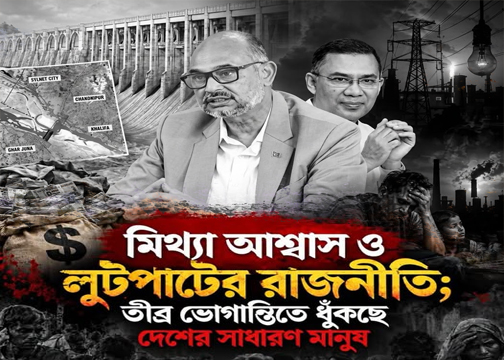
মিথ্যা আশ্বাস ও লুটপাটের রাজনীতি; তীব্র ভোগান্তিতে ধুঁকছে দেশের সাধারণ মানুষ। প্রশাসনিক অপেশাদারিত্বে বিপর্যস্ত জনজীবন। সামাজিক যোগাযোগ মাধ্যমে জনরোষ।
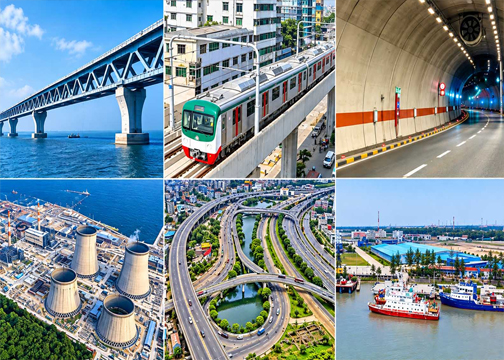
দ্রুত উন্নয়নের দিকে ধাবিত দেশটি উল্টো দ্রুত গতিতে ধ্বংসের দিকে যাচ্ছে । সাফল্যের স্বর্ণযুগ ও বিদ্যুৎ-জ্বালানি খাতের দূরদর্শী পরিকল্পনা । প্রথম পর্ব:

আজ We Don't Care, কাল প্রত্যাবর্তন