
মবের উত্থান, অর্থনীতির ধস ও পররাষ্ট্রনীতির পতন: ইউনূসের শাসনামলের অনাকাঙ্ক্ষিত পরিণতি

ক্ষমতায় অধিষ্ঠিত হওয়ার প্রাক্কালে প্রতিশ্রুতি ছিল অগণিত—আইনের সুশাসন পুনঃপ্রতিষ্ঠা পাবে, অর্থনীতির চাকা ঘুরবে, নতুন দেশি-বিদেশি বিনিয়োগে কর্মসংস্থানের নতুন দিগন্ত উন্মোচিত হবে এবং বাংলাদেশ একটি আধুনিক, গতিশীল ও সুশাসিত রাষ্ট্র হিসেবে আত্মপ্রকাশ করবে। কিন্তু দীর্ঘ ১৮ মাস অতিক্রান্ত হওয়ার পর দেশের সার্বিক বাস্তবতা সেইসব বুকভরা প্রত্যাশার ওপর এক নির্মম আঘাত হয়ে দেখা দিয়েছে। দেশের সচেতন মহল ও বিশ্লেষকদের অভিমত, প্রত্যাশার বিপরীতে বাংলাদেশ আজ আইনশৃঙ্খলা, অর্থনীতি ও পররাষ্ট্রনীতি—এই তিনটি মৌলিক স্তম্ভেই এক গভীর ও নজিরবিহীন অনিশ্চয়তার মুখে পতিত হয়েছে।
সবচেয়ে আশঙ্কাজনক অভিযোগ হলো, এই সময়ে বাংলাদেশে ‘মব কালচার’ বা সংঘবদ্ধ উগ্র জনতার চাপকে কার্যত এক অবাধ্য রাজনৈতিক প্রক্রিয়ায় পরিণত করা হয়েছে। বাসাবাড়ি ও ব্যবসা-প্রতিষ্ঠান দখল, অরাজকতা এবং সার্বিক প্রশাসনের ওপর নগ্ন মানসিক ও শারীরিক চাপের মুখে রাষ্ট্রীয় কর্তৃপক্ষের দৃঢ় কোনো অবস্থান দেখা যায়নি। স্পষ্টতই এমন এক নৈরাজ্যকর পরিবেশ সৃষ্টি হয়েছে, যেখানে আইনের শাসনের বদলে উগ্র মবের অযৌক্তিক দাবিই সিদ্ধান্ত নির্ধারণের প্রধান নিয়ামক হয়ে দাঁড়িয়েছে। অসংগঠিত কোনো গোষ্ঠী পরীক্ষা বাতিলের দাবি তুলুক কিংবা আসামি গ্রেপ্তার বা মুক্তির অযৌক্তিক চাপ সৃষ্টি করুক—রাষ্ট্রযন্ত্র ক্রমাগত নতজানু নীতি প্রদর্শন করে চলেছে। ফলে, আইনের সুশাসনের জায়গায় সমগ্র দেশে এক অবর্ণনীয় ভয়ের সংস্কৃতি স্থায়ী রূপ ধারণ করেছে।
অর্থনৈতিক ক্ষেত্রেও দেখা গেছে প্রত্যাশা ও নির্মম বাস্তবতার আকাশচুম্বী ফারাক। সুশীলদের পক্ষ থেকে বলা হয়েছিল, নামজাদা আন্তর্জাতিক বিশেষজ্ঞদের হাত ধরে দেশের অর্থনীতি নতুন উচ্চতায় উন্নীত হবে। কিন্তু বাস্তবে দেশীয় শিল্প বিকাশ, বিনিয়োগ আকৃষ্টকরণ ও কর্মসংস্থান সৃষ্টির সমস্ত পথ অবরুদ্ধ হয়ে পড়েছে। অধিকন্তু, জাতীয় স্বার্থকে জলাঞ্জলি দিয়ে বিদেশি ভূরাজনৈতিক শক্তিগুলোর স্বার্থকে অগ্রাধিকার দেওয়ার মারাত্মক অভিযোগ উঠেছে। দেশের কৌশলগত গুরুত্বপূর্ণ সম্পদ ও মৌলিক পরিকাঠামো নিয়ে সরকারের এই অদূরদর্শী নীতিগত অবস্থান ভবিষ্যতে বাংলাদেশের সার্বভৌম অর্থনৈতিক স্বকীয়তাকেই গুরুতর ঝুঁকিতে ফেলে দিচ্ছে। বিশেষ করে দেশের বেসরকারি খাতের কফিনে যেন শেষ পেরেকটি মারা হয়েছে। একের পর এক শিল্পোদ্যোক্তাদের বিরুদ্ধে রাজনৈতিক উদ্দেশ্যপ্রণোদিত মামলা, ঢালাওভাবে ব্যাংক হিসাব জব্দ, শিল্প-কারখানায় পরিকল্পিত হামলা, ভাঙচুর, অগ্নিসংযোগ এবং চলমান জ্বালানি সংকটের কারণে দেশি-বিদেশি বিনিয়োগকারীদের আস্থা একেবারে তলানিতে গিয়ে ঠেকেছে। এর প্রত্যক্ষ প্রভাবে বন্ধ হচ্ছে একের পর এক উৎপাদনমুখী খাত, স্থবির হয়ে পড়েছে নতুন কর্মসংস্থান এবং ক্রমাগত বাড়ছে বেকারত্ব। যে রাষ্ট্র নিজের উৎপাদনশীল খাত ও উদ্যোক্তাদের ন্যূনতম নিরাপত্তা দিতে চরমভাবে ব্যর্থ হয়, সে রাষ্ট্রের অর্থনীতির ভিত্তি ধসে পড়া কেবল সময়ের ব্যাপার।
সবচেয়ে বড় শঙ্কা ও উদ্বেগ ছড়াচ্ছে বর্তমান সরকারের নতজানু পররাষ্ট্রনীতি নিয়ে। বিশেষ করে মিয়ানমারের চলমান জটিল সংকট মোকাবিলায় বর্তমান অবস্থান বাংলাদেশকে এক বিপজ্জনক ভূরাজনৈতিক সংঘাতের মুখে ঠেলে দিচ্ছে। যেখানে ভারত, চীন কিংবা থাইল্যান্ডের মতো প্রতিবেশী রাষ্ট্রগুলো চরম সতর্কতার সঙ্গে ভারসাম্যের কূটনীতি বজায় রাখছে, সেখানে বাংলাদেশ যদি দৃশ্যমান কোনো পক্ষের দিকে ঝুঁকতে শুরু করে, তবে তা দেশের জাতীয় নিরাপত্তা, সীমান্ত স্থিতিশীলতা, বাণিজ্য ও বহুমাত্রিক আন্তর্জাতিক সম্পর্কের জন্য মারাত্মক বিপর্যয় ডেকে আনবে।
পরিশেষে, সুনির্দিষ্টভাবে কক্সবাজার অঞ্চলের নিরাপত্তাহীনতা ও অর্থনৈতিক ঝুঁকি সমগ্র দেশকে এক অস্থিতিশীল অবস্থায় ফেলে দিচ্ছে। সীমান্ত পরিস্থিতি কোনো কারণে আরও ঘোলাটে হলে পর্যটন, স্থানীয় বাণিজ্য ও লাখ লাখ মানুষের মৌলিক জীবিকা বিপন্ন হবে। সুতরাং, একটি ভুলের কূটনৈতিক সিদ্ধান্ত কিংবা অদূরদর্শী পররাষ্ট্রনীতি পুরো দেশের ভবিষ্যতের জন্য একটি স্থায়ী কালঘাম তৈরি করতে যাচ্ছে। একটি দায়িত্বশীল সরকারের মূল ভিত্তি হলো জনগণের গভীর আস্থা, আইনের সার্বভৌমত্ব এবং বলিষ্ঠ রাষ্ট্রনীতি। কিন্তু সেই রাষ্ট্রের নিয়ামক যদি হয় মব-সন্ত্রাস, অর্থনৈতিক স্থবিরতা ও ভ্রান্ত আন্তর্জাতিক কূটনীতি—তবে অন্ধকার ভবিষ্যৎ নিয়ে শঙ্কা প্রকাশ করা ছাড়া সাধারণ নাগরিকের আর উপায় থাকে না। ইতিহাস সাক্ষী, অভ্যন্তরীণ দুর্বল নীতি, অকার্যকর অর্থনীতি এবং ভঙ্গুর পররাষ্ট্রনীতি একটি রাষ্ট্রকে নিঃশব্দে চরম ধ্বংসের মুখেই নিয়ে যায়।
লেখক: ফয়েজ খান তৌহিদ, রাজনৈতিক বিশ্লেষক ও কলামিস্ট, লন্ডন
সম্পর্কিত সংবাদ
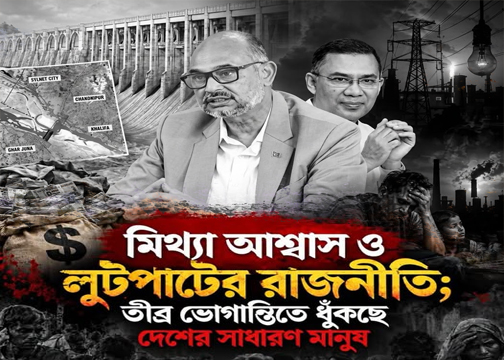
মিথ্যা আশ্বাস ও লুটপাটের রাজনীতি; তীব্র ভোগান্তিতে ধুঁকছে দেশের সাধারণ মানুষ। প্রশাসনিক অপেশাদারিত্বে বিপর্যস্ত জনজীবন। সামাজিক যোগাযোগ মাধ্যমে জনরোষ।
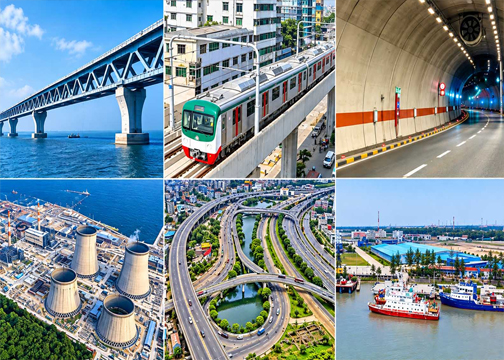
দ্রুত উন্নয়নের দিকে ধাবিত দেশটি উল্টো দ্রুত গতিতে ধ্বংসের দিকে যাচ্ছে । সাফল্যের স্বর্ণযুগ ও বিদ্যুৎ-জ্বালানি খাতের দূরদর্শী পরিকল্পনা । প্রথম পর্ব:

আজ We Don't Care, কাল প্রত্যাবর্তন