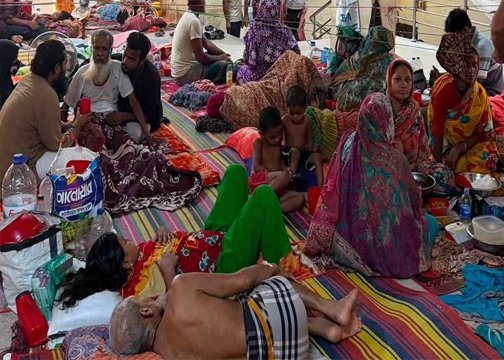
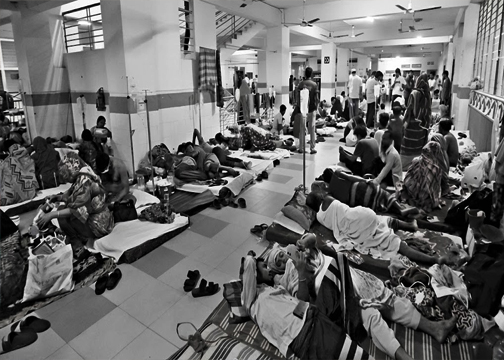
ডেঙ্গু একটি ভাইরাসজনিত রোগ হওয়ার কারণে এর মূল চিকিৎসা হলো 'সাপোর্টিভ কেয়ার' বা উপসর্গভিত্তিক সেবা। কোনো জাদুকরী ওষুধ দিয়ে এই ভাইরাস এক নিমেষে দূর করা সম্ভব নয়, তবে সঠিক সময়ে সঠিকভাবে রোগ নির্ণয় ও প্রাথমিক পর্যবেক্ষণ নিশ্চিত করতে পারলে জটিলতা সম্পূর্ণ এড়ানো সম্ভব।
ডেঙ্গু শনাক্তকরণে প্রয়োজনীয় রক্ত পরীক্ষা
জ্বর আসার পরপরই আতঙ্কিত হয়ে অনর্থক একগুচ্ছ অপ্রয়োজনীয় টেস্ট করানোর কোনো প্রয়োজন নেই। চিকিৎসকের পরামর্শ অনুযায়ী নির্দিষ্ট দিনক্ষণ মেনে পরীক্ষা করা উচিত: ১. NS1 Antigen Test: জ্বর শুরুর প্রথম ও দ্বিতীয় দিনের মধ্যে এই পরীক্ষাটি করা হলে সবচেয়ে নির্ভুল ফলাফল পাওয়া যায়। ২. Anti-Dengue Antibody (IgM & IgG): জ্বর শুরু হওয়ার ৪ থেকে ৬ দিন অতিবাহিত হলে রক্তের অ্যান্টিবডি পরীক্ষা করতে হয়। ৩. CBC (Complete Blood Count): রক্তে প্লাটিলেটের পরিমাণ এবং প্যাকড সেল ভলিউম বা হেমোটোক্রিট (Hematocrit) পরিমাপের জন্য এটি অত্যন্ত গুরুত্বপূর্ণ। প্লাটিলেট সাধারণত জ্বর শুরুর ৪-৫ দিন পর থেকে কমতে শুরু করে। তাই ৩-৪ দিনের আগে প্লাটিলেট টেস্ট করলে প্রকৃত চিত্র বোঝা যায় না।
অনেক রোগী ও স্বজন দিনে ২-৩ বার করে বিভিন্ন ল্যাব থেকে প্লাটিলেট পরীক্ষা করান, যা একেবারেই অপ্রয়োজনীয় এবং রোগীর জন্য মানসিক চাপের কারণ। হেমোটোক্রিট বা রক্তের ঘনত্বের দিকে নজর রাখা প্লাটিলেটের চেয়েও কোনো কোনো ক্ষেত্রে বেশি জরুরি।
প্রাথমিক ও দৈনন্দিন চিকিৎসা ব্যবস্থাপনা
ডেঙ্গুতে আক্রান্ত হলে ঘরে বসেই বেশিরভাগ রোগী সুস্থ হতে পারেন, যদি কয়েকটি মৌলিক নিয়ম মেনে চলা হয়:
ব্যথানাশক সেবনে চরম সতর্কতা:
ডেঙ্গু জ্বরে তাপমাত্রা নিয়ন্ত্রণের জন্য একমাত্র প্যারাসিটামল (Paracetamol) জাতীয় ওষুধই নিরাপদ। প্রাপ্তবয়স্কদের ক্ষেত্রে চিকিৎসকের পরামর্শ অনুযায়ী দিনে সর্বোচ্চ ৩ থেকে ৪ গ্রাম পর্যন্ত প্যারাসিটামল দেওয়া যেতে পারে। কোনো অবস্থাতেই এনএসএআইডি (NSAID) জাতীয় ওষুধ—যেমন অ্যাসপিরিন, ডাইক্লোফেনাক, আইবুপ্রোফেন, ন্যাপপ্রোক্সেন বা মেফেনামিক এসিড সেবন করা যাবে না। এই ওষুধগুলো রক্তের প্লাটিলেট কার্যকারিতা কমিয়ে দেয় এবং পাকস্থলী ও রক্তনালীতে মারাত্মক রক্তক্ষরণের ঝুঁকি বহুগুণ বাড়িয়ে দেয়।
পর্যাপ্ত তরল গ্রহণ:
ডেঙ্গু চিকিৎসায় সবচেয়ে গুরুত্বপূর্ণ উপাদান হলো তরল ব্যবস্থাপনা। রক্তনালী থেকে পানি বের হয়ে যাওয়ার কারণে শরীরে পানিশূন্যতা তৈরি হয়। তাই প্রতিদিন অন্তত ৩ থেকে ৪ লিটার তরল খাবার গ্রহণ নিশ্চিত করতে হবে। এর মধ্যে সাধারণ পানির পাশাপাশি খাবার স্যালাইন (ORS), ডাবের পানি, ডালের পানি, সুপ, লেবুর শরবত ও দুধ অন্তর্ভুক্ত করা উচিত। রোগী মুখে খেতে না পারলে বা বমি হলে অবিলম্বে শিরাপথে (Intravenous) স্যালাইন প্রয়োগ করতে হয়।
অ্যান্টিবায়োটিকের অপব্যবহার রোধ:
যেহেতু ডেঙ্গু কোনো ব্যাকটেরিয়াজনিত রোগ নয়, তাই এতে অ্যান্টিবায়োটিকের কোনো ভূমিকা নেই। চিকিৎসকের লিখিত নির্দেশ ছাড়া নিজ উদ্যোগে অ্যান্টিবায়োটিক সেবন করা শরীর ও রোগ প্রতিরোধ ক্ষমতার জন্য অত্যন্ত ক্ষতিকর।
কখন ও কাদের জরুরি ভিত্তিতে হাসপাতালে ভর্তি হতে হবে?
সব ডেঙ্গু রোগীকে হাসপাতালে ভর্তি করার প্রয়োজন হয় না, তবে কিছু "ওয়ার্নিং সাইন" বা সতর্কসংকেত দেখা দিলে এক মুহূর্তও দেরি না করে হাসপাতালে নিয়ে যেতে হবে।
ঝুঁকিপূর্ণ লক্ষণসমূহ:
রক্তে প্লাটিলেটের পরিমাণ আশঙ্কাজনকভাবে কমে যাওয়া (বিশেষত ৫০,০০০ এর নিচে)।
শরীরের কোনো অংশ (নাক, মাড়ি, ত্বক, বমি বা পায়খানার সঙ্গে) রক্তপাত শুরু হওয়া।
একটানা বমি হতে থাকা বা মুখে কোনো খাবার না রাখা।
তীব্র ও অসহ্য পেটে ব্যথা হওয়া।
প্রস্রাবের পরিমাণ মারাত্মক কমে যাওয়া (৬ ঘণ্টার বেশি প্রস্রাব না হওয়া)।
অতিরিক্ত অবসাদ, মাথা ঘোরা, রক্তচাপ কমে যাওয়া বা হাত-পা ঠান্ডা ও নীল হয়ে আসা।
চোখ হলুদ হওয়া অর্থাৎ জন্ডিসের লক্ষণ দেখা দেওয়া।
উচ্চ ঝুঁকিপূর্ণ যাদের শুরুতেই হাসপাতালে নেওয়া প্রয়োজন:
বিশেষ কিছু শ্রেণীর মানুষের ক্ষেত্রে ডেঙ্গু আক্রান্ত হলে শুরু থেকেই অতিরিক্ত সতর্কতা অবলম্বন করা উচিত এবং চিকিৎসকের পর্যবেক্ষণে রাখা প্রয়োজন। ১. ছোট শিশু ও প্রবীণ ব্যক্তি: এদের রোগ প্রতিরোধ ক্ষমতা ও তরল ধারণক্ষমতা সংবেদনশীল। ২. গর্ভবতী নারী: গর্ভাবস্থায় ডেঙ্গু হলে মা ও অনাগত সন্তান উভয়ের জীবন বিপন্ন হতে পারে। ৩. দীর্ঘমেয়াদী রোগে আক্রান্ত ব্যক্তি: যারা আগে থেকেই ডায়াবেটিস, উচ্চ রক্তচাপ, ক্রনিক কিডনি ডিজিজ, লিভারের সমস্যা, হার্টের অসুখ, ক্যানসার বা স্ট্রোকে ভুগছেন। ৪. পুনরায় আক্রান্ত রোগী: যারা ইতিপূর্বে অন্তত একবার ডেঙ্গুতে আক্রান্ত হয়েছেন।
রোগীর সঠিক পরিচর্যা ও মশারির ব্যবহার
ডেঙ্গু আক্রান্ত রোগীকে সবসময় একটি আলাদা কক্ষে সম্পূর্ণ বিশ্রামে রাখতে হবে এবং সার্বক্ষণিক মশারির ভেতরে রাখা বাধ্যতামূলক। এর মূল কারণ হলো, আক্রান্ত রোগীকে যদি কোনো সাধারণ এডিস মশা কামড়ায়, তবে সেই মশাটি অন্য সুস্থ মানুষকে কামড়ে ডেঙ্গু ছড়িয়ে দেবে। এটি পরিবার ও সমাজকে সুরক্ষিত রাখার একটি মৌলিক দায়িত্ব।
লেখক: অধ্যাপক ডা. এ বি এম আবদুল্লাহ, একুশে পদকপ্রাপ্ত প্রখ্যাত মেডিসিন বিশেষজ্ঞ ও সাবেক ডিন, মেডিসিন অনুষদ, বিএসএমএমইউ।
Part One: Causes, Symptoms, and Present Trends of Dengue Fever
Due to dramatic climate change, a rise in average temperatures nationwide, erratic rainfall schedules, and unplanned urbanization, the severity of dengue in Bangladesh is no longer confined to a specific season. Previously, the monsoon was considered the sole dengue season, but mosquitoes now find favorable breeding environments year-round. Continuous or intermittent rainfall, high atmospheric humidity, and stagnant clean water in and around households create ideal breeding grounds for Aedes mosquitoes. Consequently, the number of cases increases exponentially at the onset of the monsoon, placing an abnormal strain on hospitals across the country.
Primary Causes and Transmission Process of Dengue Fever
Dengue is primarily a viral disease spread through the bites of two species of Aedes mosquitoes: Aedes aegypti and Aedes albopictus. Among these, Aedes aegypti is more commonly found in human residences, balconies, urban areas, and densely populated neighborhoods. On the other hand, Aedes albopictus typically breeds in villages, bushes, or natural environments. When an infected Aedes mosquito bites a healthy person, that individual contracts dengue fever after an incubation period of 4 to 6 days. Similarly, if an uninfected mosquito bites a dengue patient, it becomes a carrier of the virus. In this way, the disease spreads rapidly from human to human through mosquitoes.
Types and Complexities of the Dengue Virus
The dengue virus has four distinct serotypes or strains: DEN-1, DEN-2, DEN-3, and DEN-4. A person can contract dengue multiple times in their lifetime. Infection with a specific serotype grants lifelong immunity against that particular strain, but it does not provide permanent protection against the other three. As a result, a person remains at risk of contracting dengue up to four times in their life. From a medical perspective, individuals infected for the second or third time with a different serotype face a significantly higher risk of severe physical complications and mortality compared to their first infection.
Classic Symptoms and the Critical Period
The classical or initial symptoms of dengue fever primarily include a sudden high fever, which can reach up to 105°F, accompanied by severe body aches. Intense pain occurs in the spine, lower back, joints, muscles, head, and behind the eyes. The severity of the pain is so intense that it feels as though the bones are breaking, which is why this fever has historically been called "Breakbone Fever." Children, unable to express their pain, often cry when touched and become extremely irritable.
Typically, 4 to 5 days after the onset of fever, a reddish rash or allergic skin eruption appears all over the body. This is accompanied by nausea, persistent vomiting, loss of appetite, and extreme physical weakness. In medical science, this is sometimes referred to as a "Biphasic Fever," as the fever may temporarily subside after 4–5 days only to resurface for another 2–3 days.
Most patients and relatives assume that once the fever drops, the patient is recovering. However, the real danger begins at this exact stage, known in medicine as the "Critical Period." During this phase, blood platelet counts rapidly decline, and fluid leaks from the capillary network of blood vessels, leading to "Dengue Hemorrhagic Fever."
In this state, bleeding can occur from various delicate parts of the body—such as red spots under the skin, bleeding from the nose and gums, coughing up blood, vomiting blood, or passing fresh blood or dark, tarry stools. In women, premature or excessive menstrual bleeding may occur. Most dangerously, uncontrolled internal bleeding can happen inside and outside the eyes, as well as in the brain and heart. This leads to an alarming drop in blood pressure, a condition known as "Hypovolemic Shock." Additionally, fluid accumulation in the lungs and abdomen, liver involvement leading to jaundice, and acute renal failure can rapidly push the patient toward death.
In some cases, the circulatory system fails completely, resulting in "Dengue Shock Syndrome" (DSS). Symptoms include an extremely weak and rapid pulse, cold and clammy extremities, decreased urine output, and loss of consciousness.
Evolving Symptoms and Mosquito Behavior
In recent years, significant changes have been observed in the patterns and symptoms of the dengue virus. Many patients no longer exhibit classical signs such as high fever, severe bone-breaking pain, or skin rashes. Instead, they present with mild initial symptoms like low-grade fever, sudden clearance of fever, cough, mild abdominal pain, vomiting, loose stools, or swelling of the hands and feet. Blood pressure and urine output drop dangerously, and inflammation of the liver or brain develops before patients even consult a doctor. Due to the lack of distinct symptoms, patients often mistake it for a routine seasonal fever and delay seeking care, arriving at the hospital at a very late and critical stage.
Similarly, entomological research reveals significant shifts in the behavior of Aedes mosquitoes. It was previously believed that Aedes mosquitoes only bite during sunrise and sunset—namely in the morning and late afternoon. However, it is now proven that in the presence of artificial or bright lighting, Aedes mosquitoes can bite at any time, day or night. This behavioral shift has made the threat of dengue ubiquitous.
Part Two: Necessary Diagnostic Tests and Treatment Methods
Since dengue is a viral disease, its primary treatment relies on "supportive care" or symptom-based management. No magic drug can eliminate the virus instantly; however, timely and accurate diagnosis paired with early monitoring can completely prevent severe complications.
Blood Tests Required for Dengue Diagnosis
There is no need to panic and undergo a barrage of unnecessary tests immediately after getting a fever. Tests should be conducted on specific days as advised by a physician:
1. NS1 Antigen Test: This test yields the most accurate results when performed within the first or second day of fever onset.
2. Anti-Dengue Antibody (IgM & IgG): Antibody testing should be done after 4 to 6 days have passed since the fever began.
3. Complete Blood Count (CBC): This is essential for measuring platelet levels and Packed Cell Volume (PCV) or Hematocrit. Platelet counts typically start dropping 4–5 days after fever onset; therefore, testing platelets before 3–4 days does not provide a clear clinical picture.
Many patients and relatives test platelet counts 2–3 times a day at different laboratories, which is entirely unnecessary and causes mental distress to the patient. Monitoring hematocrit or blood concentration is, in certain cases, far more critical than tracking platelet levels alone.
Primary and Daily Management
Most dengue patients can recover at home if a few basic guidelines are followed:
• Extreme Caution with Painkillers: Paracetamol is the only safe medication for managing temperature in dengue fever. Adults may take paracetamol up to a maximum of 3 to 4 grams daily under medical advice. Under no circumstances should NSAIDs—such as aspirin, diclofenac, ibuprofen, naproxen, or mefenamic acid—be consumed. These medications impair platelet function and significantly increase the risk of severe gastrointestinal and vascular bleeding.
• Adequate Fluid Intake: Fluid management is the most critical element in dengue treatment. Fluid leakage from blood vessels leads to dehydration. Therefore, daily intake of at least 3 to 4 liters of fluids must be ensured. Alongside plain water, this should include oral rehydration salts (ORS), coconut water, clear soups, lemon juice, and milk. If a patient cannot eat orally or experiences persistent vomiting, intravenous (IV) fluids must be administered immediately.
• Avoiding Misuse of Antibiotics: Since dengue is not a bacterial infection, antibiotics play no role in its treatment. Taking antibiotics without a physician's prescription is harmful to the body and the immune system.
Who Requires Emergency Hospital Admission?
Not all dengue patients require hospitalization, but the presence of certain "warning signs" demands immediate hospital transfer without a moment's delay:
• Warning Signs:
o Alarming drop in platelet count (especially below 50,000).
o Bleeding from any part of the body (nose, gums, skin, vomit, or stool).
o Persistent vomiting or inability to retain fluids/food orally.
o Severe and unmanageable abdominal pain.
o Significant decrease in urine output (no urination for over 6 hours).
o Extreme lethargy, dizziness, low blood pressure, or cold and cyanotic (bluish) extremities.
o Yellowing of the eyes, indicating symptoms of jaundice.
• High-Risk Groups Needing Early Hospitalization: Certain vulnerable populations require heightened vigilance from the onset and should be kept under medical supervision:
1. Young Children and the Elderly: Their immune systems and fluid regulation capacities are delicate.
2. Pregnant Women: Contracting dengue during pregnancy threatens the lives of both the mother and the unborn child.
3. Individuals with Chronic Illnesses: Those suffering from pre-existing conditions such as diabetes, hypertension, chronic kidney disease, liver disorders, heart disease, cancer, or stroke.
4. Re-infected Patients: Individuals who have previously contracted dengue at least once.
Patient Care and Use of Mosquito Nets
A dengue patient must be kept at complete rest in a separate room and placed under a mosquito net at all times. The primary reason is that if an uninfected Aedes mosquito bites an infected patient, it will subsequently transmit the virus to healthy individuals. Maintaining this protocol is a fundamental responsibility to protect family members and the community.