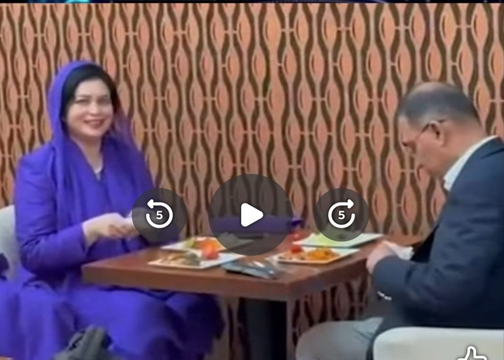
সামাজিক যোগাযোগমাধ্যমে ছড়িয়ে পড়া একটি সংবাদ দেখে প্রথমে বুঝতে কষ্ট হলো—এটি সংবাদ, নাকি একজন বিশেষ ব্যক্তির ভাবমূর্তি নির্মাণের জন্য লেখা প্রশস্তিগাথা। বিমানবন্দরের একটি লাউঞ্জে খাবার নেওয়ার মতো নিতান্ত স্বাভাবিক ঘটনাকে এমনভাবে পরিবেশন করা হয়েছে, যেন তিনি কোনো বিরল দৃষ্টান্ত স্থাপন করেছেন। লাউঞ্জে খাবার নেওয়ার নিয়মটুকু জানা থাকলে এই ‘অসাধারণত্বের’ বেলুনটি মুহূর্তেই চুপসে যায়। তখন প্রশ্নটি আর ওই ব্যক্তি কী করলেন, তা নিয়ে থাকে না; প্রশ্ন দাঁড়ায়—আমাদের সাংবাদিকতা কি এখন সংবাদ খোঁজে, নাকি সাধারণ ঘটনাকে মহিমান্বিত করে সংবাদ বানায়?
এটি নিছক একটি সংবাদের শব্দচয়ন নিয়ে আপত্তি নয়। এর সঙ্গে জড়িয়ে আছে সাংবাদিকের পেশাগত যোগ্যতা, তথ্য যাচাইয়ের সক্ষমতা এবং সবচেয়ে গুরুত্বপূর্ণভাবে—সম্পাদকীয় স্বাধীনতার প্রশ্ন।
একজন সংবাদকর্মী যদি একটি স্বাভাবিক প্রক্রিয়াকে না বুঝে সেটিকে ব্যতিক্রমী ঘটনা হিসেবে উপস্থাপন করেন, তাহলে সেটি পেশাগত দক্ষতার সংকট। আর যদি সবকিছু জেনেবুঝেই একটি সাধারণ ঘটনাকে বিশেষ তাৎপর্য দিয়ে পরিবেশন করা হয়, তাহলে প্রশ্ন আরও গুরুতর: সংবাদটি কি সত্যিই সংবাদমূল্যের বিবেচনায় তৈরি হয়েছে, নাকি একজন বিশেষ ব্যক্তিকে সাধারণ মানুষের কাছাকাছি দেখিয়ে তাঁর ভাবমূর্তি উজ্জ্বল করার আগ্রহ থেকে?
এখানেই আসে অস্বস্তিকর প্রশ্নটি—এ ধরনের সংবাদ কি স্বতঃস্ফূর্ত ‘তেল মর্দন’, নাকি প্রত্যক্ষ বা পরোক্ষ চাপের ফল? প্রমাণ ছাড়া কোনোটিকেই সত্য বলে দেওয়া দায়িত্বশীল হবে না। কিন্তু বাংলাদেশের বর্তমান গণমাধ্যম পরিস্থিতিতে প্রশ্নটিকে একেবারে অপ্রাসঙ্গিকও বলা যায় না।
রিপোর্টার্স উইদাউট বর্ডার্সের (RSF) ২০২৬ সালের বিশ্ব সংবাদমাধ্যমের স্বাধীনতা সূচকে ১৮০টি দেশের মধ্যে বাংলাদেশের অবস্থান ১৫২তম। আরও তাৎপর্যপূর্ণ হলো, চলতি বছরের জুলাইয়ে ঢাকায় ‘Media Rights & Responsibilities’ শীর্ষক এক আলোচনায় *self-censorship, political pressure এবং financial constraints*-কে স্বাধীন সাংবাদিকতার জন্য হুমকি হিসেবে উল্লেখ করা হয়েছে। সেখানে পেশাগত মান রক্ষা করতে না পারলে সংবাদমাধ্যমের প্রতি জনআস্থা ক্ষয়ের আশঙ্কার কথাও উঠে এসেছে।
সংবাদমাধ্যমের ওপর চাপ সব সময় দৃশ্যমান হয় না; সব নির্দেশ ফোনে আসে না, সব সেন্সরশিপের লিখিত আদেশও থাকে না। সাংবাদিক যদি আগেভাগেই অনুমান করে নেন ক্ষমতাবান ব্যক্তি কী শুনতে বা দেখতে পছন্দ করবেন এবং সেই অনুযায়ী সংবাদ সাজান, তাহলে বাইরের সেন্সরের প্রয়োজনই পড়ে না—সাংবাদিক নিজেই নিজের কলমের সেন্সর হয়ে ওঠেন। কখনো সেটি ভয় থেকে, কখনো চাকরির নিরাপত্তার জন্য, কখনো মালিকপক্ষের স্বার্থে, আবার কখনো হয়তো নিছক তোষামোদের সংস্কৃতি থেকে। আর এখানেই **self-censorship ও self-promotion-এর মধ্যবর্তী বিপজ্জনক জায়গাটিতে সাংবাদিকতার বিশ্বাসযোগ্যতা হারিয়ে যেতে শুরু করে।
একটি গণতান্ত্রিক সমাজে সংবাদমাধ্যমের কাজ ক্ষমতাবানকে ছোট করা নয়, আবার বড় করে দেখানোও নয়। তার কাজ ঘটনা যেমন, ঠিক তেমনভাবে পাঠকের সামনে তুলে ধরা। সাংবাদিকতার স্বাধীনতা যেমন রাষ্ট্রীয় হস্তক্ষেপ থেকে সুরক্ষা দাবি করে, তেমনি সেই স্বাধীনতা অযোগ্যতা, অতিরঞ্জন কিংবা চাটুকারিতার লাইসেন্সও নয়।
তাই আজকের ওই সামান্য ঘটনাটিকে নিছক হাস্যকর একটি সংবাদ বলে উড়িয়ে দেওয়ার সুযোগ নেই। ছোট্ট ঘটনাটি বরং বড় একটি আয়না সামনে ধরেছে। সেই আয়নায় একই সঙ্গে দেখা যাচ্ছে সাংবাদিকতার পেশাগত দক্ষতা, সম্পাদকীয় স্বাধীনতা এবং ক্ষমতার সঙ্গে সংবাদমাধ্যমের সম্পর্কের অস্বস্তিকর কিছু প্রশ্ন।
বাংলাদেশের সাংবাদিকতার আজ দুটি স্বাধীনতা প্রয়োজন—ক্ষমতার চাপ থেকে স্বাধীনতা এবং ক্ষমতাকে খুশি করার তাড়না থেকে স্বাধীনতা। প্রথমটি নিশ্চিত করার দায়িত্ব রাষ্ট্রের; দ্বিতীয়টি রক্ষা করার দায়িত্ব সাংবাদিক ও সংবাদমাধ্যমের নিজেদের।
নইলে একদিন দৈনন্দিন জীবনের সবচেয়ে স্বাভাবিক কাজটিও ‘বিশেষ সংবাদ’ হয়ে উঠবে—আর পাঠককে খবর পড়ার আগে ভাবতে হবে, তিনি সংবাদ পড়ছেন, নাকি কারও ভাবমূর্তি নির্মাণের গল্প।
লেখক: এ বি এম কামরুল হাসান, প্রবাসী চিকিৎসক ও কলামিস্ট
Here is a clear, professional English translation of the provided text:
Seeing a news item circulating on social media, it was hard to tell at first whether it was actual news or a laudatory piece crafted to build a particular individual’s image. An entirely routine event—getting food in an airport lounge—was presented in a way that made it seem as though they had set a rare example. If one understands the basic rules of taking food in a lounge, this balloon of "extraordinariness" deflates in an instant. The question then is no longer about what that person did, but rather: is our journalism looking for real news, or is it glorifying ordinary events to turn them into news?
This is not merely an objection to the word choice in a single news report. Bound up with it are questions of a journalist’s professional competence, fact-checking capabilities, and, most importantly, editorial independence.
If a media professional fails to understand a normal process and presents it as an exceptional event, it points to a crisis of professional competence. And if, knowing full well, an ordinary event is reported with special significance, the question becomes even graver: was the news piece genuinely produced based on its news value, or out of an eagerness to burnish a particular individual's image by portraying them as close to the common people?
This is where the uncomfortable question arises—is this kind of news a result of spontaneous flattery, or the outcome of direct or indirect pressure? Declaring either as fact without proof would be irresponsible. However, given the current media situation in Bangladesh, the question cannot be dismissed as entirely irrelevant either.
In Reporters Without Borders’ (RSF) 2026 World Press Freedom Index, Bangladesh ranks 152nd out of 180 countries. Even more significantly, at a discussion titled “Media Rights & Responsibilities” held in Dhaka in July of this year, self-censorship, political pressure, and financial constraints were highlighted as threats to independent journalism. Concerns were also raised there about the erosion of public trust in the media if professional standards fail to be maintained.
Pressure on the media is not always visible; not every instruction comes via phone call, nor does every act of censorship come with a written order. If a journalist anticipates in advance what a powerful figure would like to hear or see and shapes the news accordingly, there is no need for external censors—the journalist becomes the censor of their own pen. Sometimes out of fear, sometimes for job security, sometimes to serve the media owner’s interests, and at times perhaps out of a sheer culture of sycophancy. And right there, in the dangerous space between self-censorship and self-promotion, the credibility of journalism begins to fade away.
In a democratic society, the role of the media is neither to belittle the powerful nor to magnify them. Its job is to present events to the reader exactly as they are. Just as press freedom demands protection from state interference, that freedom is not a license for incompetence, exaggeration, or flattery.
Therefore, today's minor incident cannot simply be brushed off as a laughable news item. Rather, that small event holds up a large mirror—a mirror that simultaneously reflects uncomfortable questions about journalistic competence, editorial independence, and the media’s relationship with power.
Journalism in Bangladesh today needs two forms of freedom: freedom from the pressure of power, and freedom from the urge to please power. Ensuring the former is the state's responsibility; safeguarding the latter is the responsibility of journalists and the media themselves.
Otherwise, one day even the most mundane act of daily life will become "special news"—and readers will have to wonder before reading an article whether they are consuming news or a story manufactured to build someone's image.
Author: ABM Kamrul Hasan, Expatriate Physician and Columnist