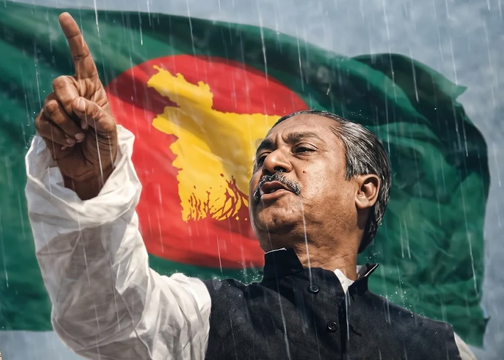
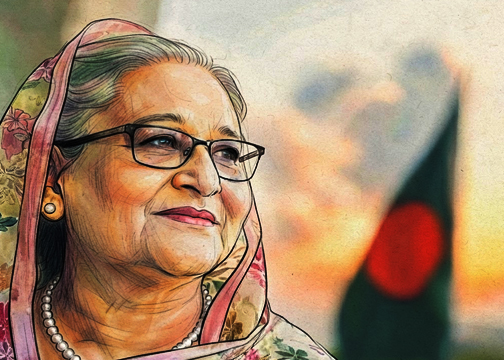
২০২৪ সালের ৫ই আগস্টের রাজনৈতিক পটপরিবর্তন এবং পরবর্তীতে ২০২৬-এর রাজনৈতিক রূপান্তরের পর থেকে বাংলাদেশের রাজনীতি ও দেশের ভবিষ্যৎ আবারো এক বিতর্কিত ঐতিহাসিক মোড়ে বাঁক নিয়ে অন্ধকারাচ্ছন্ন পথে চলছে। একদিকে রাষ্ট্র সংস্কারের কথা বলা হচ্ছে, উন্নয়নের কথা বলা হচ্ছে, গণতন্ত্রের কথা বলা হচ্ছে, অন্যদিকে দেশের অন্যতম বৃহত্তম রাজনৈতিক দল আওয়ামী লীগকে রাজনীতি থেকে নিষিদ্ধ করা হয়েছে। এটি পরস্পর বিরোধী। আবেগ ও তাৎক্ষণিক ক্ষোভের ঊর্ধ্বে উঠে একটি সুস্থ, অন্তর্ভুক্তিমূলক ও টেকসই গণতান্ত্রিক ব্যবস্থার স্বার্থে এই প্রশ্ন যৌক্তিকভাবে সামনে চলে আসে—আওয়ামী লীগের মতো বিশাল রাজনৈতিক শক্তিকে বাদ দিয়ে কী দীর্ঘমেয়াদে দেশে রাজনৈতিক স্থিতিশীলতা সম্ভব?
ঐতিহাসিক বাস্তবতা, বৈশ্বিক অভিজ্ঞতা এবং দেশের বর্তমান পরিস্থিতির আলোকে বিষয়গুলো বিশ্লেষণের সুযোগ আছে।
এক।
বড়ো রাজনৈতিক দল নিষিদ্ধের নেতিবাচক ফল- বৈশ্বিক শিক্ষা: বিশ্বের ইতিহাস বলে, কোনো বড়ো রাজনৈতিক শক্তিকে বল প্রয়োগ করে নিষিদ্ধ করলে তার ফল কখনো শুভ হয় না। কয়েকটি বৈশ্বিক উদাহরণ-
ইরাক (বাথ পার্টি): ২০০৩ সালে সাদ্দাম হোসেনের বাথ পার্টিকে সম্পূর্ণ নিষিদ্ধ করে লাখ লাখ সমর্থক ও প্রশাসনিক কর্মকর্তাদের রাষ্ট্রব্যবস্থার বাইরে ঠেলে দেওয়া হয়। এর ফলে ইরাক চরম গৃহযুদ্ধে পতিত হয় এবং পরবর্তীতে 'আইসিস' (ISIS)-এর মতো চরমপন্থী গোষ্ঠীর জন্ম নেয়। সম্পদশালী, সুখী ইরাক সার্বভৌমত্বহীন অসুখী পরনির্ভরশীল জাতিতে পরিণত হয়।
মিশর (মুসলিম ব্রাদারহুড): ২০১৩ সালে ব্রাদারহুডকে নিষিদ্ধ ও মূলধারা থেকে বিচ্ছিন্ন করার পর মিশরে গণতন্ত্র তো আসেইনি, বরং সামরিক শাসন স্থায়ী রূপ নেয় এবং দেশটিতে চরম রাজনৈতিক অস্থিতিশীলতা তৈরি হয়, যা এখনো চলমান।
বিপরীতে দক্ষিণ আফ্রিকার উদাহরণ: বৈষম্যবিরোধী আন্দোলনের পর নেলসন ম্যান্ডেলা কোনো দলকে নিষিদ্ধ না করে 'সত্য ও পুনর্বাসন কমিশন' (TRC)-এর মাধ্যমে অতীতের বিচার নিশ্চিত করে সবাইকে নিয়ে এগোন, যার ফলে দেশে স্থায়ী শান্তি আসে।
দুই।
'বিরাজনীতিকরণ' ও মাইনাস ফর্মুলার কুফল: বাংলাদেশে কোনো দলকে 'মাইনাস' করে স্থায়ী রাজনৈতিক সমাধান অর্জনের চেষ্টা অতীতে সফল হয়নি। কোনো দলকে জোরপূর্বক রাজনীতির বাইরে ঠেলে দেওয়া মানে তাদের মধ্যে গঠনমূলক সংস্কারের সুযোগ বন্ধ করে দেওয়া। এর ফলে রাজনীতি গুপ্ত বা উগ্র রূপ নিতে পারে। গণতান্ত্রিক চর্চার ভেতরে এনেই দলকে আত্মসমালোচনা ও পুনর্গঠনের সুযোগ দেওয়া উচিত।
কোনো দলকে খারাপ মনে করলে দেশের মানুষ তাদের সমর্থন করবে না, তাদের ভোট দেবে না- মানুষের অগ্রহণযোগ্যতাই তাদেরকে নিশ্চিহ্ন করে দেবে। ক্ষমতাসীন হয়ে কোনো দলকে নিষিদ্ধ করার বিষয়টি গণতান্ত্রিক নয়- ফ্যাসিস্ট। এর অর্থ হলো, যে দলকে নিষিদ্ধ করা হচ্ছে সেই দলের সমর্থকদের মানসিকতা পরিবর্তন করে নিজের দলের দিকে টেনে আনার মতো শুদ্ধ ও পরিচ্ছন্ন পরিকল্পনা ও তা বাস্তবায়নে নিজের দুর্বলতা আছে, সেটা ঢাকার অপচেষ্টা। জনগণের ক্ষমতাকে লাথি মেরে রাষ্ট্র ক্ষমতাকে ব্যবহার করে ক্ষমতায় থাকা। এটি স্বৈরাচার।
তিন।
মুক্তিযুদ্ধের ইতিহাস, জাতীয় চেতনা ও আওয়ামী লীগ: আওয়ামী লীগ কেবল একটি রাজনৈতিক দল নয়, এটি ১৯৭১ সালের মহান স্বাধীনতা ও মুক্তিযুদ্ধের নেতৃত্বের সাথে ওতপ্রোতভাবে জড়িত ও নেতৃত্ব প্রদানকারী ঐতিহাসিক ও ঐতিহ্যবাহী রাজনৈতিক শক্তি। রাজনীতি করে না, কিন্তু মুক্তিযুদ্ধের চেতনাকে শ্রদ্ধা করে সেই চেতনাবাহী শক্তির ভরসাস্থল। আওয়ামী লীগ শাসনামলের ভুল বা স্বৈরাচারী আচরণের কারণে এই ঐতিহাসিক সত্যকে মুছে ফেলা সম্ভব নয়। এই দলের অস্তিত্ব মুছে গেলে, বাংলাদেশের স্বাধীনতা সংগ্রামের মূল চেতনা অশ্রদ্ধায় পতিত হয়, জাতীয় ইতিহাসচর্চায় একপেশে নেতিবাচক প্রভাব পড়ে। ইতিহাস ঐতিহ্য অস্বীকার করা হয়। পৃথিবীর কোনো জাতি তাঁর সংস্কৃতি, ইতিহাস, ঐতিহ্যকে অস্বীকার করে প্রতিষ্ঠিত হতে পারেনি।
চার।
উদার-ধর্মনিরপেক্ষ মতাদর্শের শূন্যতা ও রাজনৈতিক ভারসাম্য:
বাংলাদেশের মূলধারার রাজনীতি মূলত তিনটি প্রধান ধারায় বিভক্ত-
১। মধ্য-বাম বা উদার ও ধর্মনিরপেক্ষ ধারা: যার প্রধান প্রতিনিধি বাংলাদেশ আওয়ামী লীগ। এছাড়া এই ধারায় রয়েছে জাতীয় সমাজতান্ত্রিক দল (জাসদ), বাংলাদেশের ওয়ার্কার্স পার্টি, সিপিবি ও গণফোরাম।
২। মধ্য-ডানপন্থি বা জাতীয়তাবাদী ও ধর্মীয় মূল্যবোধ নির্ভর ধারা: যার প্রধান প্রতিনিধি বাংলাদেশ জাতীয়তাবাদী দল (বিএনপি)। এছাড়া জাতীয় পার্টি ও এলডিপি-র মতো দলগুলো এই ধারায় অবস্থান করে।
৩। ধর্মাশ্রয়ী ইসলামপন্থি ধারা: যার মধ্যে সুসংগঠিত ও ক্যাডারভিত্তিক প্রধান দল বাংলাদেশ জামায়াতে ইসলামী। পাশাপাশি ইসলামী আন্দোলন বাংলাদেশ (চরমোনাই), খেলাফত মজলিস এবং রাজনীতিতে অত্যন্ত প্রভাবশালী সামাজিক-ধর্মীয় গোষ্ঠী হেফাজতে ইসলাম বাংলাদেশ এই ধারার প্রতিনিধিত্ব করে।
আওয়ামী লীগকে রাজনীতি থেকে মাইনাস করলে দেশে সেন্টার-লেফট বা উদার গণতান্ত্রিক রাজনৈতিক ধারায় এক বিরাট শূন্যতা তৈরি হবে। রাজনীতিতে এই তিন ধারার ভারসাম্য নষ্ট হয়ে বিরোধী-শূন্য বা একপেশে মাঠ তৈরি হলে তা নতুন ধরনের কর্তৃত্ববাদ এবং ধর্মীয় চরমপন্থার উত্থান ঘটবে। ধর্মীয় চরমপন্থার উত্থান ঘটলে অন্য কোনো ধারার রাজনীতিই টিকবে না, ফলে অদূর বা সুদূর ভবিষ্যতে বিএনপিও আজকের আওয়ামী লীগের অবস্থানে নিপতিত হবে।
পাঁচ।
আন্তর্জাতিক গ্রহণযোগ্যতা ও ভূ-রাজনৈতিক ভারসাম্য: ভৌগোলিকভাবে বাংলাদেশ দক্ষিণ এশিয়ায় অত্যন্ত কৌশলগত এক অস্থানে রয়েছে। দেশের উন্নতির বিষয়টিকে আমলে নিয়ে এই কৌশলগত অবস্থানটিকে খুব ভালোভাবে ডিল করা দরকার। চীন, ভারত, মার্কিন যুক্তরাষ্ট্র ও পশ্চিমা বিশ্বের সাথে ভারসাম্য রক্ষার বিষয়ে আওয়ামী লীগের দীর্ঘ অভিজ্ঞতা আছে। কূটনৈতিক সম্পর্ক রক্ষা ও আঞ্চলিক স্থিতিশীলতা বজায় রেখে দেশকে এগিয়ে নেবার জন্য আওয়ামী লীগের সেই অভিজ্ঞতা অত্যন্ত গুরুত্বপূর্ণ, সেটিকে কাজে লাগানো উচিত। একটি অভিজ্ঞ মূলধারার রাজনৈতিক শক্তিকে রাজনৈতিক প্রক্রিয়ার বাইরে রাখলে দেশের উন্নতি ব্যহত হয়, বৈশ্বিক মহলে দেশের ভূ-রাজনৈতিক গ্রহণযোগ্যতা ও আন্তর্জাতিক কূটনৈতিক ভারসাম্য বিঘ্নিত হয় এবং দেশের উন্নয়নের চাকা উল্টো পথে ঘোরে।
ছয়।
অর্থনৈতিক সংকট উত্তরণ ও উন্নয়নের অভিজ্ঞতা: বর্তমানে দেশ মূল্যস্ফীতি, রিজার্ভ সংকট ও বিনিয়োগে স্থবিরতার মুখোমুখি। বিদ্যুৎ, গ্যাস, সারের সংকট আকাশচুম্বী। খেলাপি ঋণে বিশ্বে একনম্বর দেশ এখন বাংলাদেশ। ঋণ পরিশোধের অপারগাতায় বাংলাদেশ এখন বিভিন্ন দেশের কঠিন কঠিন শর্ত ও নানাবিধ নিষেধাজ্ঞার সম্মুখীন। বিগত সময়ে পদ্মা সেতু, মেট্রোরেল, রূপপুর পারমাণবিক বিদ্যুৎ কেন্দ্রের মতো মেগা প্রজেক্টের মাধ্যমে যে পরিকাঠামোগত রূপান্তর ও মধ্যম আয়ের দেশের ভিশন তৈরি হয়েছিল, তা ভূলুণ্ঠিত। সেগুলো বাস্তবায়নে একটি সুনির্দিষ্ট রাজনৈতিক ও প্রশাসনিক অভিজ্ঞতা কাজে লাগানো প্রয়োজন, যা আওয়ামী লীগের আছে। আওয়ামী লীগকে নিষিদ্ধ রেখে এই সঙ্কট নিরসন করা সম্ভব নয়। আওয়ামী লীগের দুর্নীতির বিচার অবশ্যই হতে হবে, পাশাপাশি সংকট উত্তরণের জন্য তাদের এই রাজনৈতিক অভিজ্ঞতা ও সাংগঠনিক শক্তিকেও কাজে লাগাতে হবে। দেশের স্বার্থে এটা খুবই জরুরি।
সাত।
জবাবদিহিতা, কোটি কোটি ভোটার ও কার্যকর বিরোধী দল: একটি বড়ো রাজনৈতিক দলকে নিষিদ্ধ করার অর্থ হলো দেশের একটি বিশাল জনগোষ্ঠীর রাজনৈতিক পরিচয় ও ভোটাধিকারকে ক্ষমতার জোরে রুদ্ধ করে রাখা, কোটি কোটি সমর্থককে রাষ্ট্র কাঠামোর বাইরে ঠেলে দেওয়া। এতে দেশের কোটি কোটি জনগণ রাষ্ট্রব্যবস্থার ওপর আস্থা হারিয়ে ফেলে। কোটি কোটি জনগণের আস্থাহীনতা নিয়ে দেশকে এগিয়ে নেবার চিন্তা দেশের জন্য আত্মঘাতী। রাজনৈতিক জিঘাংসা চরিতার্থ করার জন্য এমন সাময়িক আক্রোশ, রাজনৈতিক অপরিপক্কতা ও ফ্যাসিবাদের পরিচায়ক।
যে-কোনো ক্ষমতাসীন সরকারের স্বেচ্ছাচারিতা রোধ করতে এবং রাজনীতিতে ভারসাম্য বজায় রাখতে সংসদে ও রাজনীতির ময়দানে সাংগঠনিকভাবে দক্ষ বিরোধী দলের উপস্থিতি অত্যন্ত প্রয়োজন। এটা যদি কার্যকরভাবে অনুপস্থিত থাকে তাহলে যে-কোনো জনমুখী দলও দ্রুত জনবিরোধী দলে পরিণত হয়, কারণ, এতে অন্যের আয়নায় নিজেকে দেখার পথ বন্ধ হয়ে যায়। ফলে, অন্য রাজনৈতিক দলকে নিষিদ্ধ করা নিজের দলের জন্যও আত্মঘাতী।
আট।
সামাজিক মেরুকরণ ও নাগরিক জীবনের অস্থিরতা হ্রাস: কোনো প্রধান রাজনৈতিক দলকে জোরপূর্বক রাষ্ট্রব্যবস্থা থেকে ছেঁটে ফেললে সমাজে এক ধরনের চরম অবিশ্বাসের সংস্কৃতি তৈরি হয়। গ্রাম থেকে শহর পর্যন্ত সাধারণ মানুষ, পেশাজীবী, ব্যবসায়ী ও সিভিল সার্ভিসের সদস্যরা এক ধরনের মানসিক বিভাজন ও অনিশ্চয়তায় ভোগেন। এতে স্বাভাবিক কর্মপরিবেশ, বিনিয়োগের মানসিকতা এবং সামাজিক সম্প্রীতি নষ্ট হয়। একটি দলকে নিয়মতান্ত্রিক রাজনীতিতে অন্তর্ভুক্ত রাখলে সামাজিক মেরুকরণ দূর হয় এবং রাষ্ট্রে একটি স্বাভাবিক শান্তি ও সহাবস্থানের পরিবেশ ফিরে আসে।
নয়।
আওয়ামী লীগের ফিরে আসার প্রয়োজনীয় শর্ত: আওয়ামী লীগের রাজনৈতিক ফেরা মানে আগের সেই অপশাসন, দুর্নীতি বা ক্ষমতার অপব্যবহারের পুনরাবৃত্তি নয়। তাদের রাজনীতিতে ফিরতে হলে নিজেদের ভুল স্বীকার করে, অতীতে ঘটে যাওয়া অপরাধের দায়ভার গ্রহণ করে এবং দলের অভ্যন্তরীণ আমূল সংস্কার করে তবেই ফিরতে হবে।
আওয়ামী লীগ দেশের উন্নয়ন করেছে কিন্তু দলের ক্ষতি করেছে। দলের কর্মী সমর্থক শুভাকাঙ্ক্ষীদের উপরে নির্ভর না করে, তাদের গুরুত্ব না দিয়ে বরং তুচ্ছতাচ্ছিল্য করে, আমলা ও ব্যবসায়িক-নির্ভর দলে পরিণত হয়েছে। বুদ্ধিবৃত্তিক চর্চাকে প্রাধান্য না দিয়ে তৈল মর্দন ও 'জো হুজুর জাহাপনা' মার্কা মানুষকে দলের নেতৃত্ব নিয়েছে। আওয়ামী লীগ সবচেয়ে বড়ো অন্যায় করেছে তার তৃণমূলের প্রতি। এই বিশ্লেষণ ও আত্মগ্লানিবোধ আওয়ামী লীগের থাকতে হবে এবং সেভাবে সংশোধিত হয়ে রাজনীতিতে ফিরতে হবে।
প্রতিহিংসা ও বর্জনের রাজনীতি পরিহার করে আইনি ও গণতান্ত্রিক প্রক্রিয়ার মাধ্যমে আওয়ামী লীগকে রাজনীতিতে ফিরিয়ে আনতে হবে। সেটিই হবে পরিপক্ব গণতন্ত্রের লক্ষণ।
লেখক: ডা. শেখ মো.নাজমুল হাসান,চিকিৎসক,গবেষক,লেখক ও কলামিস্ট
Following the political changeover of August 5, 2024, and the subsequent political transition of 2026, Bangladesh’s politics and future have once again turned at a controversial historical crossroads, moving down a darkened path. On one hand, there is talk of state reform, development, and democracy; on the other hand, one of the country’s largest political parties, the Awami League, has been banned from politics. This is contradictory. Rising above emotion and immediate anger, for the sake of a healthy, inclusive, and sustainable democratic system, a logical question comes to the fore: Is long-term political stability possible in the country by excluding a massive political force like the Awami League?
There is scope to analyze these issues in light of historical reality, global experience, and the country's current situation.
One.
Negative Consequences of Banning Major Political Parties — Global Lessons: World history shows that banning any major political force by applying force never yields positive results. A few global examples:
• Iraq (Ba'ath Party): In 2003, Saddam Hussein's Ba'ath Party was completely banned, pushing hundreds of thousands of supporters and administrative officials outside the state system. As a result, Iraq plunged into a severe civil war, subsequently giving birth to extremist groups like ISIS. A prosperous, happy Iraq was transformed into an unhappy, dependent nation devoid of sovereignty.
• Egypt (Muslim Brotherhood): After banning the Brotherhood and isolating it from the mainstream in 2013, democracy never arrived in Egypt; instead, military rule became permanent, creating extreme political instability in the country that continues to this day.
• In contrast, the example of South Africa: Following the anti-apartheid movement, Nelson Mandela did not ban any party; instead, he ensured justice for the past through the 'Truth and Reconciliation Commission' (TRC) and moved forward with everyone, which brought lasting peace to the country.
Two.
The Ill Effects of 'Depoliticization' and the Minus Formula: Attempts in Bangladesh to achieve a permanent political solution by 'minusing' (eliminating) any party have not succeeded in the past. Forcibly pushing a party outside of politics means shutting down their opportunity for constructive reform. Consequently, politics can take a clandestine or radical form. Parties should be brought within democratic practice and given the opportunity for self-criticism and reorganization.
If the people of the country consider a party to be bad, they will not support them or vote for them—public unacceptability itself will wipe them out. Banning a party after coming to power is not democratic—it is fascist. It signifies an attempt to cover up one's own weakness in formulating and implementing a pure, clean plan to change the mindset of the banned party's supporters and draw them toward one's own side. It is about kicking away the power of the people and using state power to stay in office. This is autocracy.
Three.
History of the Liberation War, National Consciousness, and the Awami League: The Awami League is not merely a political party; it is a historic and traditional political force intricately linked with and having led the Great Independence and Liberation War of 1971. Even for those who do not engage in active politics, it serves as a sanctuary for the forces carrying the spirit of the Liberation War. It is impossible to erase this historical truth due to the mistakes or autocratic behavior of the Awami League's tenure in power. If this party's existence is wiped out, the core spirit of Bangladesh’s independence struggle falls into disrespect, casting a one-sided negative impact on national historiography. History and heritage are denied. No nation in the world has ever established itself by denying its culture, history, and heritage.
Four.
Vacuum in Liberal-Secular Ideology and Political Balance: Bangladesh’s mainstream politics is primarily divided into three major streams:
1. The Center-Left or Liberal and Secular Stream: Primarily represented by the Bangladesh Awami League. Also in this stream are the Jatiya Samajtantrik Dal (JSD), Workers Party of Bangladesh, CPB, and Gono Forum.
2. The Center-Right or Nationalist and Religious-Values-Based Stream: Primarily represented by the Bangladesh Nationalist Party (BNP). Parties like the Jatiya Party and LDP also belong to this stream.
3. The Religion-Based Islamist Stream: In which the main well-organized, cadre-based party is Bangladesh Jamaat-e-Islami. Alongside it, Islami Andolan Bangladesh (Charmonai), Khelafat Majlis, and the politically influential socio-religious group Hefazat-e-Islam Bangladesh represent this stream.
Removing the Awami League from politics will create a massive void in the country’s center-left or liberal democratic political stream. If the balance among these three streams in politics is destroyed, creating an opposition-free or one-sided field, it will give rise to a new form of authoritarianism and religious extremism. If religious extremism rises, no other stream of politics will survive; consequently, in the near or distant future, the BNP too will fall into the same position the Awami League is in today.
Five.
International Acceptability and Geopolitical Balance: Geographically, Bangladesh is situated in an extremely strategic location in South Asia. Keeping the country's progress in mind, this strategic position needs to be handled very carefully. The Awami League has long experience in maintaining balance with China, India, the United States, and the Western world. That experience of the Awami League is vital for maintaining diplomatic relations and regional stability to move the country forward, and it should be utilized. Keeping an experienced mainstream political force outside the political process hampers the country's progress, disrupts its geopolitical acceptability and international diplomatic balance in global circles, and turns the wheel of the country's development backward.
Six.
Overcoming Economic Crisis and Development Experience: Currently, the country faces inflation, a reserve crisis, and investment stagnation. Crises in electricity, gas, and fertilizer are skyrocketing. Bangladesh is now the number one country in the world in defaulted loans. Due to its inability to repay debts, Bangladesh is now facing harsh conditions and various sanctions from different countries. The infrastructural transformation and middle-income country vision created previously through mega-projects like the Padma Bridge, Metro Rail, and Rooppur Nuclear Power Plant have been trampled. Implementing those requires utilizing specific political and administrative experience, which the Awami League possesses. It is not possible to resolve this crisis by keeping the Awami League banned. The Awami League's corruption must certainly be tried, while simultaneously utilizing their political experience and organizational strength to overcome the crisis. This is extremely urgent in the interest of the country.
Seven.
Accountability, Millions of Voters, and an Effective Opposition: Banning a major political party means forcibly obstructing the political identity and voting rights of a vast segment of the country's population, pushing millions of supporters outside the state framework. As a result, tens of millions of citizens lose trust in the state system. Thinking of moving the country forward with the distrust of tens of millions of people is suicidal for the nation. Such temporary malice to satisfy political vengeance is indicative of political immaturity and fascism.
To prevent the arbitrariness of any ruling government and maintain balance in politics, the presence of an organizationally skilled opposition in parliament and on the political field is essential. If this is effectively absent, even a pro-people party quickly turns into an anti-people party, because the way to see oneself in another's mirror is closed off. Therefore, banning another political party is suicidal for one's own party as well.
Eight.
Reducing Social Polarization and Unrest in Civic Life: When a major political party is forcibly excised from the state system, a culture of extreme distrust develops in society. From villages to cities, ordinary people, professionals, businesspeople, and members of the civil service suffer from a sense of psychological division and uncertainty. This destroys the normal working environment, investment mindset, and social harmony. Including a party within constitutional politics removes social polarization and restores an environment of normal peace and coexistence in the state.
Nine.
Necessary Conditions for the Awami League’s Return: The political return of the Awami League does not mean a repetition of past misgovernance, corruption, or abuse of power. To return to politics, they must acknowledge their mistakes, take responsibility for past crimes, and carry out radical internal reforms within the party before returning.
The Awami League developed the country, but harmed the party. Instead of relying on and valuing party activists, supporters, and well-wishers, it belittled them, turning into a party dependent on bureaucrats and businesspeople. Rather than prioritizing intellectual practice, sycophants and "yes-men" were brought into party leadership. The Awami League committed its greatest injustice against its grassroots. The Awami League must possess this introspection and remorse, and return to politics having reformed itself accordingly.
Shunning the politics of vengeance and exclusion, the Awami League must be brought back into politics through legal and democratic processes. That will be the hallmark of a mature democracy.
Author: Dr. Sheikh Md. Nazmul Hasan, Physician, Researcher, Writer, and Columnist