জনপ্রতিনিধির ব্যক্তিজীবন সাধারণত ব্যক্তিগত বিষয়। কিন্তু সেই ব্যক্তি জীবন যখন জন আস্থা, নৈতিক অবস্থান কিংবা আইনগত প্রশ্নের সঙ্গে জড়িয়ে পড়ে, তখন তা আর নিছক ব্যক্তিগত থাকে না। বিশেষ করে যখন সংশ্লিষ্ট ব্যক্তি একটি রাজনৈতিক দলের নির্বাচিত সংসদ সদস্য এবং তাঁর দল দীর্ঘদিন ধরে নৈতিকতা, সুশাসন ও জবাবদিহির প্রশ্নে উচ্চকণ্ঠ থাকে, তখন জনগণের প্রত্যাশাও স্বাভাবিকভাবে বেড়ে যায়।
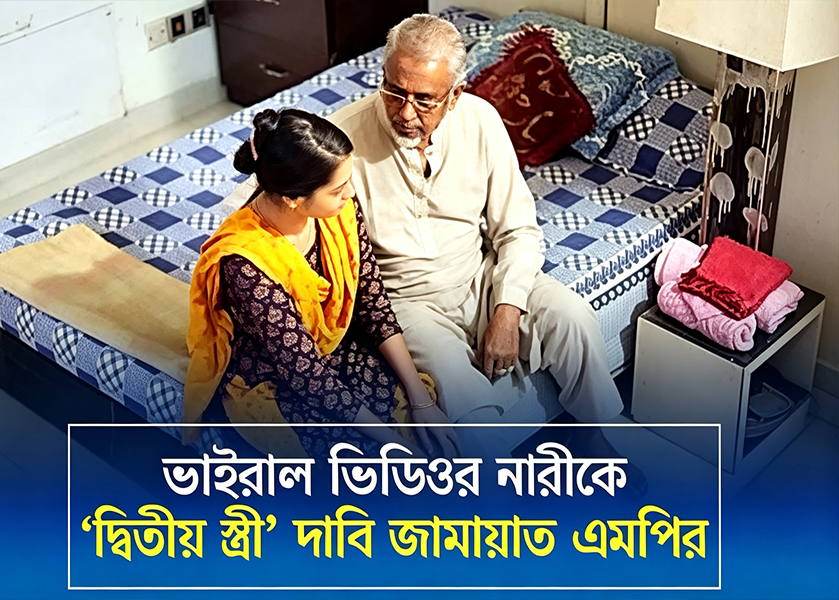
সাতক্ষীরা-৪ আসনের সংসদ সদস্য গাজী নজরুল ইসলামকে ঘিরে সামাজিক যোগাযোগমাধ্যমে ছড়িয়ে পড়া একটি ভিডিও সেই বাস্তবতাকেই সামনে নিয়ে এসেছে। ভিডিওটি নিয়ে রাজনৈতিক বিতর্ক যেমন রয়েছে, তেমনি রয়েছে একাধিক পরস্পরবিরোধী বক্তব্য, অসামঞ্জস্যপূর্ণ তথ্য এবং এমন কিছু প্রশ্ন, যেগুলোর সুস্পষ্ট উত্তর এখনও জনসমক্ষে আসেনি। বিতর্কের কেন্দ্রে ভিডিওটি যতটা নয়, তার চেয়েও বেশি রয়েছে ব্যাখ্যার অসঙ্গতি।
প্রথমে ভিডিওটিকে কৃত্রিম বুদ্ধিমত্তা (এআই) দিয়ে তৈরি বলে দাবি করা হয়। পরে বলা হয়, ভিডিওতে থাকা তরুণী আসলে সংশ্লিষ্ট এমপির দ্বিতীয় স্ত্রী। এই দুটি অবস্থান একই সঙ্গে গ্রহণযোগ্য হতে পারে না। যদি ভিডিওটি ভুয়া হয়ে থাকে, তাহলে দ্বিতীয় স্ত্রীর ব্যাখ্যা কেন? আর যদি ভিডিওটি বাস্তব হয়, তাহলে শুরুতে সেটিকে 'এআই' বলে প্রচারের কারণ কী? জনমনে এই প্রশ্নের উত্তর পাওয়ার অধিকার রয়েছে।
এরপর সামনে আসে বিয়ের সময় নিয়ে বিতর্ক। একদিকে এমপির দাবি, বিয়ে হয়েছে ২০২৬ সালের ১৭ জুন। অন্যদিকে বিভিন্ন মাধ্যমে প্রচারিত তথ্য ও ফ্যাক্ট চেক প্রতিবেদনে ভিডিওটির সময় নিয়ে ভিন্ন চিত্র উঠে এসেছে। আবার সামাজিক যোগাযোগমাধ্যমে প্রচারিত একটি জীবনবৃত্তান্তে বিয়ের দাবিকৃত সময়ের পরও সংশ্লিষ্ট তরুণীকে অবিবাহিত হিসেবে উল্লেখ করা হয়েছে বলে আলোচনা চলছে। এসব তথ্যের সত্যতা যাচাই করা সংশ্লিষ্ট কর্তৃপক্ষের কাজ। তবে এসব অসঙ্গতি দূর করার দায়িত্ব প্রথমত সংশ্লিষ্ট ব্যক্তিরই।
আরও কিছু প্রশ্ন জনপরিসরে এসেছে। বিয়ে যদি বৈধভাবে হয়ে থাকে, তাহলে কাবিননামা বা নিবন্ধন নথি প্রকাশে আপত্তি কোথায়? প্রথম স্ত্রীর সম্মতি দাবি করা হলে, সেটা গ্রহণযোগ্য প্রমাণ উপস্থাপন করা যেতে পারে। আবার জিম্মি করে অর্থ আদায়ের মতো গুরুতর অভিযোগ যদি সত্য হয়, তাহলে তার আইনি প্রক্রিয়ার তথ্যও জনগণের সামনে থাকা উচিত। অন্যদিকে, যদি এসব অভিযোগের কোনো ভিত্তি না থাকে, তবে প্রমাণসহ সেগুলো খণ্ডন করাই হবে সবচেয়ে কার্যকর জবাব।
এখানে একটি মৌলিক নীতি স্মরণ রাখা জরুরি। সামাজিক যোগাযোগ মাধ্যমের বিচারে কাউকে দোষী সাব্যস্ত করা যেমন গ্রহণযোগ্য নয়, তেমনি শুধু মৌখিক ব্যাখ্যার উপর ভর করে জন আস্থা ফিরিয়ে আনা সম্ভব নয়। গণতান্ত্রিক রাষ্ট্রে জন আস্থা প্রতিষ্ঠিত হয় তথ্য, নথি এবং জবাবদিহিতার মাধ্যমে।
রাজনীতিতে নৈতিকতার দাবি কেবল প্রতিপক্ষের জন্য প্রযোজ্য হতে পারে না। যারা সুশাসন, স্বচ্ছতা ও মূল্যবোধের রাজনীতির কথা বলেন, তাদের নিজেদের ক্ষেত্রেও একই মানদণ্ড প্রযোজ্য। কারণ জনজীবনে বিশ্বাসযোগ্যতা অর্জন করা কঠিন, কিন্তু তা হারাতে সময় লাগে না।
এই ঘটনায় সবচেয়ে প্রয়োজনীয় বিষয় হলো স্বচ্ছতা। ভিডিওটি নিয়ে যে প্রশ্ন গুলো উঠেছে, সেগুলোর অধিকাংশেরই উত্তর নথি, তথ্য এবং যাচাইযোগ্য প্রমাণের মাধ্যমে দেওয়া সম্ভব। সংশ্লিষ্ট পক্ষ যদি দ্রুত, স্পষ্ট এবং পূর্ণাঙ্গ ব্যাখ্যা দেয়, তাহলে অযথা জল্পনা-কল্পনা ও রাজনৈতিক বিভাজনের অবসান ঘটবে।
সবশেষে মনে রাখা দরকার, গণতন্ত্রে প্রশ্ন শত্রুতা নয়; বরং জবাবদিহির পূর্বশর্ত। আর জবাবদিহি এড়িয়ে নয়, বরং তথ্যের আলোয় এসেই একজন জনপ্রতিনিধি তাঁর প্রতি জনগণের আস্থা আরও সুদৃঢ় করতে পারেন। যে কোনো রাজনৈতিক দলের জন্য এটাই হওয়া উচিত সর্বোত্তম পথ।
লেখক: এ বি এম কামরুল হাসান, প্রবাসী চিকিৎসক ও কলামিস্ট
The personal life of a public representative is generally considered a private matter. However, when that personal life becomes intertwined with public trust, ethical standards, or legal questions, it can no longer be regarded as purely private. This is especially true when the person concerned is an elected Member of Parliament from a political party that has long been vocal about ethics, good governance, and accountability. Naturally, public expectations in such cases are also higher.
A video circulating on social media involving Gazi Nazrul Islam, Member of Parliament for the Satkhira-4 constituency, has brought this reality into sharp focus. The video has sparked political controversy, but it has also raised several conflicting statements, inconsistencies in the information provided, and questions for which clear answers have yet to emerge publicly. At the heart of the controversy is not merely the video itself, but, more importantly, the inconsistencies surrounding the explanations offered about it.
Initially, it was claimed that the video had been created using artificial intelligence (AI). Later, it was stated that the young woman appearing in the video was actually the MP's second wife. These two positions cannot logically be accepted at the same time. If the video was fabricated, then why was the explanation about a second wife offered? And if the video is genuine, then why was it initially described as an "AI-generated" video? The public has the right to know the answers to these questions.
The controversy over the timing of the marriage then came to the forefront. On the one hand, the MP claims that the marriage took place on June 17, 2026. On the other hand, information circulated through various sources and fact-checking reports has presented a different picture regarding the timing of the video. Furthermore, there has been discussion on social media about a circulated biography in which the young woman in question was reportedly described as unmarried even after the claimed date of marriage. Verifying the authenticity of these claims is the responsibility of the relevant authorities. However, the primary responsibility for clarifying these inconsistencies rests with the person concerned.
Several other questions have also emerged in the public domain. If the marriage was legally valid, why would there be any objection to making the marriage certificate or registration documents public? If the consent of the first wife is being claimed, acceptable evidence of that consent could be presented. Again, if the serious allegation of holding someone hostage and extorting money is true, information about the relevant legal proceedings should also be made available to the public. Conversely, if these allegations have no basis, the most effective response would be to refute them with evidence.
Here, it is important to remember a fundamental principle. It is neither acceptable to convict someone based solely on the judgment of social media, nor is it possible to restore public trust merely through verbal explanations. In a democratic state, public trust is established through facts, documentation, and accountability.
The demand for ethical standards in politics cannot apply only to political opponents. Those who advocate for good governance, transparency, and values-based politics must also be held to the same standards themselves. Credibility is difficult to earn in public life, but it can be lost very quickly.
The most important requirement in this case is transparency. Most of the questions raised over the video can be addressed through documents, facts, and verifiable evidence. If the concerned parties provide a prompt, clear, and comprehensive explanation, unnecessary speculation and political polarization can come to an end.
Finally, it is important to remember that in a democracy, asking questions is not hostility; rather, it is a prerequisite for accountability. A public representative can strengthen the people's trust in him not by avoiding accountability, but by coming forward into the light of facts and evidence. For any political party, this should be the best possible path.
Author: A. B. M. Kamrul Hasan, Expatriate Physician and Columnist