চারদিকে আজকাল নানা ধরনের কার্ডের আলোচনা। কিন্তু সেসব কার্ডের কোনোটিই আমার প্রয়োজন মেটায় না। আমার প্রয়োজন একটিই—একটি ‘ভিসা কার্ড’। অনুগ্রহ করে ভুল বুঝবেন না। আমি কোনো ব্যাংকের ভিসা ক্রেডিট বা ডেবিট কার্ডের কথা বলছি না। আমি বলছি এমন এক প্রতীকী ‘ভিসা কার্ড’-এর কথা, যা থাকলে পৃথিবীর যেকোনো দেশে ভিসা পাওয়া সহজ হবে, আর ইমিগ্রেশন ডেস্কে দাঁড়িয়ে একজন বাংলাদেশি হিসেবে অন্তত ন্যূনতম সম্মানটুকু নিশ্চিত হবে। গত কয়েক বছরে বাংলাদেশি পাসপোর্টধারীদের জন্য বিদেশ ভ্রমণ ক্রমেই কঠিন হয়ে উঠেছে। সবুজ পাসপোর্ট দেখলেই যেন অনেক দেশের চোখে সন্দেহের ছায়া। ভিসা পাওয়া কঠিন, পেলেও মেয়াদ স্বল্প। একসময় যেসব দেশে অন-অ্যারাইভাল ভিসার সুবিধা ছিল, তার বেশিরভাগই এখন অতীত। হাতে গোনা কয়েকটি দেশ ছাড়া সেই সুযোগ প্রায় বিলুপ্ত। আমি দীর্ঘ দেড় যুগ ধরে ব্রুনাইয়ে বসবাস করছি। অথচ আজ সেই ব্রুনাইয়েও বাংলাদেশিদের জন্য ভিসা পাওয়া আগের মতো সহজ নয়। আমার ও সহধর্মিনীর কিছু সুবিধা থাকলেও আমাদের সন্তানদের জন্য পরিস্থিতি বেশ জটিল। ধরা যাক, একজন বাংলাদেশি শিক্ষার্থী মালয়েশিয়ার জহর বাহরুতে পড়াশোনা করছেন। কেবল বাবা-মায়ের সঙ্গে ব্রুনাইয়ে কয়েক দিনের জন্য দেখা করতে চাইলে তার সামনে তিনটি কঠিন পথ খোলা থাকে। প্রথমত, তাকে বাংলাদেশে ফিরে গিয়ে ব্রুনাই হাই কমিশন থেকে ভিসা সংগ্রহ করতে হবে। অর্থাৎ জহর বাহরু থেকে কুয়ালালামপুর, সেখান থেকে ঢাকা, আবার ঢাকা হয়ে ব্রুনাই—শুধু একটি ভিসার জন্য এত দীর্ঘ ও ব্যয়বহুল যাত্রা। দ্বিতীয়ত, কুয়ালালামপুরে গিয়ে আবেদন করতে হবে। সেখানে অন্তত তিন কর্মদিবস অবস্থান করতে হয়। একজন শিক্ষার্থীর জন্য অতিরিক্ত থাকা-খাওয়ার খরচ ও সময়—দুটিই বড় বোঝা। তৃতীয় বিকল্প সিঙ্গাপুর। কিন্তু সেখানে প্রবেশ করতেই আবার আলাদা ভিসা প্রয়োজন। শুধু তা-ই নয়, জহর বাহরুতে বসবাসকারী বাংলাদেশিদের অনেক ক্ষেত্রে সিঙ্গাপুরের ভিসার জন্য আগে কুয়ালালামপুরে বাংলাদেশ হাই কমিশন থেকে সুপারিশপত্রও সংগ্রহ করতে হয়। অর্থাৎ একটি ভিসা পেতে আরেকটি ভিসার পেছনে ছুটতে হয়। অথচ কয়েক বছর আগেও আমাদের সন্তানরা অন-অ্যারাইভাল ভিসা নিয়ে খুব সহজেই ব্রুনাইয়ে এসে বাবা-মায়ের সঙ্গে দেখা করতে পারত। আজ সেই সুযোগ নেই। এই ভোগান্তি শুধু আমার পরিবারের নয়, বরং বিশ্বের বিভিন্ন দেশে রাজধানীর বাইরে বসবাসকারী অসংখ্য বাংলাদেশি প্রবাসীর নিত্যদিনের বাস্তবতা। প্রশ্ন হলো, একজন বাংলাদেশি হিসেবে কেন আমাদের বারবার এমন জটিলতার মুখোমুখি হতে হবে? কেন একটি ভিসা পাওয়ার জন্য এত অনিশ্চয়তা, এত ব্যয়, এত হয়রানি? কেন বিদেশের ইমিগ্রেশন কাউন্টারে দাঁড়িয়ে নিজের পরিচয় নিয়েই অস্বস্তি বোধ করতে হবে? একটি দেশের পাসপোর্ট শুধু ভ্রমণের দলিল নয়; এটি সেই দেশের আন্তর্জাতিক মর্যাদা, কূটনৈতিক সক্ষমতা এবং নাগরিকের প্রতি বিশ্বের আস্থার প্রতিফলন। পাসপোর্ট যত শক্তিশালী, নাগরিকের সম্মানও তত বেশি। তাই সরকারের প্রতি বিনীত আহ্বান—বাংলাদেশি পাসপোর্টের আন্তর্জাতিক গ্রহণযোগ্যতা ও মর্যাদা বৃদ্ধিকে জাতীয় অগ্রাধিকারের বিষয় হিসেবে বিবেচনা করা হোক। দ্বিপক্ষীয় ও বহুপক্ষীয় কূটনৈতিক উদ্যোগের মাধ্যমে আরও বেশি দেশের সঙ্গে সহজতর ভিসা ব্যবস্থা, ভিসা-অন-অ্যারাইভাল কিংবা ভিসামুক্ত ভ্রমণের সুযোগ সম্প্রসারণে কার্যকর পদক্ষেপ নেওয়া প্রয়োজন।আমরা কোনো বিশেষ সুবিধা চাই না। আমরা চাই না বিশ্বের দরজা আমাদের জন্য আলাদা করে খুলে দেওয়া হোক। আমরা শুধু চাই, একজন বাংলাদেশি হিসেবে পৃথিবীর যেকোনো দেশের ইমিগ্রেশন ডেস্কে দাঁড়িয়ে যেন সম্মানের সঙ্গে মাথা উঁচু করে বলতে পারি—এই পাসপোর্ট আমার পরিচয়, আর এই পরিচয় কোনো বোঝা নয়। আমার সেই কাঙ্ক্ষিত ‘ভিসা কার্ড’ আসলে কোনো প্লাস্টিকের কার্ড নয়। এটি একটি শক্তিশালী, মর্যাদাবান বাংলাদেশি পাসপোর্টের প্রতীক—যা বহন করলে অপ্রয়োজনীয় হয়রানি কমবে, ভ্রমণ হবে সহজ, আর বিশ্বের যেকোনো প্রান্তে একজন বাংলাদেশি তার প্রাপ্য সম্মানটুকু পাবেন।
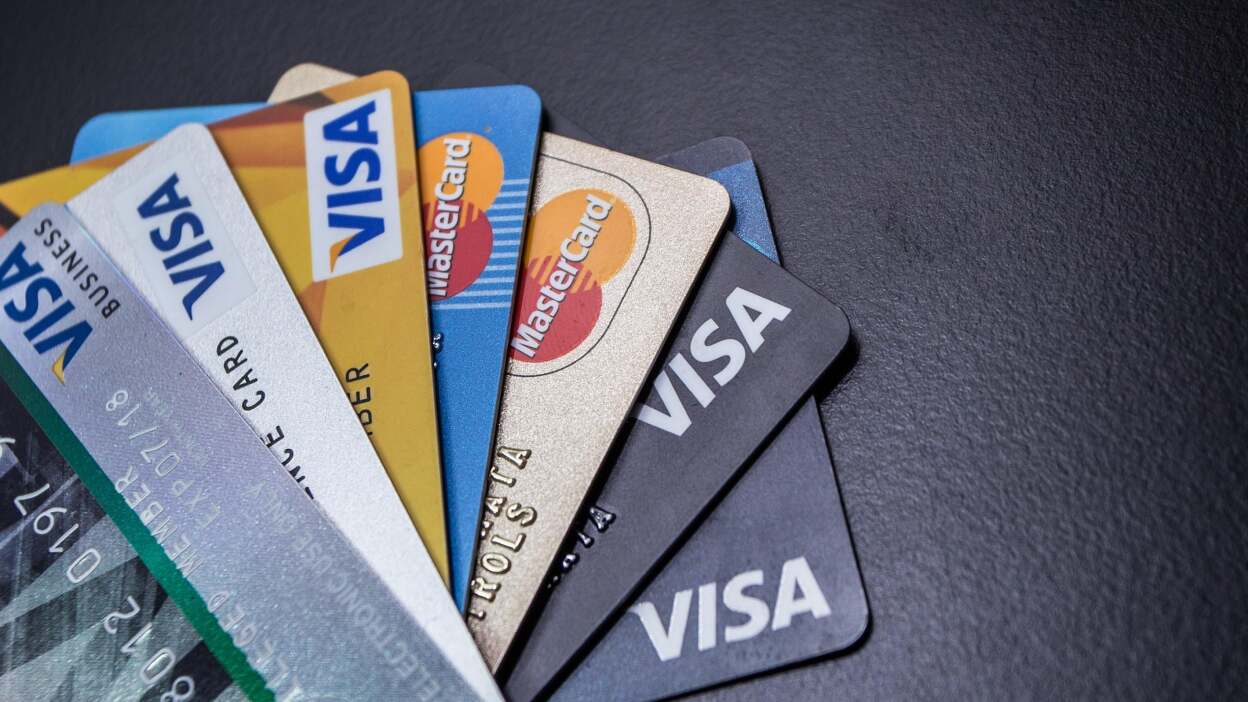
These days, there is a lot of talk about various types of cards around us. However, none of those cards meet my needs. I have only one requirement—a "Visa Card." Please do not misunderstand me. I am not talking about a bank's Visa credit or debit card. I am talking about a symbolic "Visa Card" that would make obtaining a visa for any country in the world easier, and ensure at least a minimum level of respect while standing at an immigration desk as a Bangladeshi.
Over the past few years, traveling abroad has become increasingly difficult for Bangladeshi passport holders. The moment a green passport is seen, a shadow of suspicion seems to cross the eyes of many countries. Getting a visa is tough, and even if obtained, the duration is short. Most of the countries that once offered on-arrival visa facilities are now a thing of the past. Except for a handful of nations, that opportunity is virtually extinct.
I have been living in Brunei for the last 18 years. Yet today, even in Brunei, getting a visa for Bangladeshis is not as easy as it used to be. While my spouse and I have certain privileges, the situation is quite complicated for our children.
An Example of the Struggle:
Suppose a Bangladeshi student is studying in Johor Bahru, Malaysia. If they simply want to visit their parents in Brunei for a few days, they are left with three difficult paths:
First option: They must return to Bangladesh and collect a visa from the Brunei High Commission. This means traveling from Johor Bahru to Kuala Lumpur, then to Dhaka, and then via Dhaka to Brunei—such a long and expensive journey just for a single visa.
Second option: They have to go to Kuala Lumpur to apply. They must stay there for at least three working days. For a student, the extra cost of food and lodging, along with the time, is a heavy burden.
Third option: Singapore. But entering Singapore requires a separate visa altogether. Not only that, but Bangladeshis living in Johor Bahru often have to first obtain a recommendation letter from the Bangladesh High Commission in Kuala Lumpur just to apply for a Singaporean visa. In other words, you have to chase one visa just to get another.
Yet, even a few years ago, our children could easily come to Brunei on an on-arrival visa to visit their parents. Today, that opportunity no longer exists. This suffering is not unique to my family; rather, it is the daily reality for countless Bangladeshi expatriates living outside capital cities in various countries around the world.
The question is, as Bangladeshis, why must we repeatedly face such complexities? Why is there so much uncertainty, expense, and harassment just to get a visa? Why should we feel uncomfortable about our identity while standing at foreign immigration counters?
A country's passport is not merely a travel document; it is a reflection of that nation's international standing, diplomatic capability, and the world's trust in its citizens. The stronger the passport, the greater the respect for its citizens. Therefore, I sincerely urge the government to consider enhancing the international acceptability and dignity of the Bangladeshi passport as a matter of national priority. Effective steps must be taken through bilateral and multilateral diplomatic initiatives to expand easier visa arrangements, visa-on-arrival, or visa-free travel opportunities with more countries.
We do not want any special privileges. We do not want the doors of the world to be opened specially for us. We only want to be able to stand with dignity, holding our heads high, at the immigration desk of any country in the world as a Bangladeshi and say—this passport is my identity, and this identity is not a burden.
My long-cherished "Visa Card" is not actually a piece of plastic. It is the symbol of a strong, dignified Bangladeshi passport—one that, when carried, will reduce unnecessary harassment, make travel easier, and ensure that a Bangladeshi receives their due respect in any corner of the world.