১. পটভূমি ও সাম্প্রতিক ঘটনাপ্রবাহ
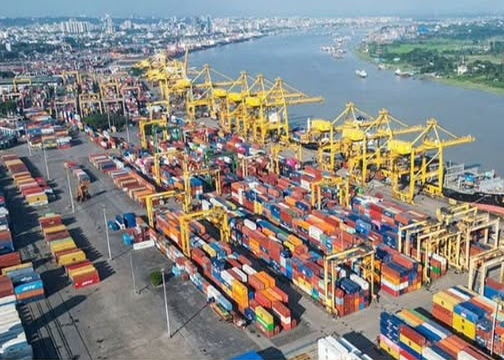
বাংলাদেশের অর্থনীতি ও আন্তর্জাতিক বাণিজ্যের প্রধান লাইফলাইন হলো চট্টগ্রাম সমুদ্রবন্দর। দেশের মোট আমদানি-রপ্তানির প্রায় ৯২ শতাংশই এই বন্দরের মাধ্যমে পরিচালিত হয়। সম্প্রতি সরকারের পক্ষ থেকে বন্দরের সবচেয়ে লাভজনক ও কৌশলগতভাবে গুরুত্বপূর্ণ নিউ মুরিং কন্টেইনার টার্মিনাল (এনসিটি) এবং ওভারফ্লো কন্টেইনার ইয়ার্ড ১৫ বছর মেয়াদে আন্তর্জাতিক অপারেটরের কাছে পরিচালনা ও রক্ষণাবেক্ষণের জন্য ইজারা দেওয়ার উদ্যোগ নেওয়া হয়েছে।
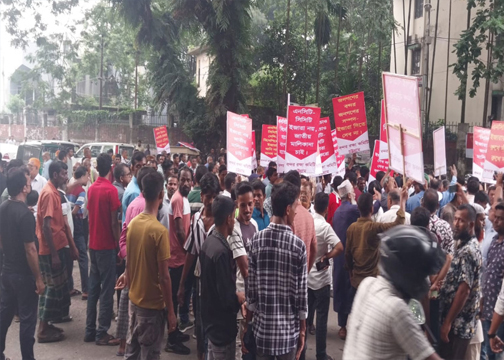
গত বৃহস্পতিবার অর্থনৈতিক বিষয়সংক্রান্ত মন্ত্রিসভা কমিটি নৌপরিবহন মন্ত্রণালয় কর্তৃক উপস্থাপিত খসড়া কনসেশন চুক্তির নীতিগত অনুমোদন দেয়। এই সিদ্ধান্তের পরই দেশের অর্থনীতি, জাতীয় সার্বভৌমত্ব ও শ্রমিক স্বার্থ সুরক্ষার যুক্তিতে ফুঁসে উঠেছে বিভিন্ন রাজনৈতিক, শ্রমিক ও পেশাজীবী সংগঠন। এর ধারাবাহিকতায় আজ সোমবার সকাল থেকে বন্দর রক্ষা কমিটির ব্যানარ ও বিভিন্ন শ্রমিক সংগঠনের অংশগ্রহণে চট্টগ্রাম বন্দরের প্রশাসনিক ভবনের বাইরে লাগাতার অবস্থান ও বিক্ষোভ কর্মসূচি শুরু হয়েছে।
২. বন্দর রক্ষা কমিটির মূল দাবি ও উদ্বেগের বিষয়সমূহ
অবস্থান কর্মসূচি থেকে বন্দর রক্ষা কমিটি এবং বিভিন্ন শ্রমিক-কর্মচারী ঐক্য পরিষদের (স্কপ) নেতারা সুনির্দিষ্ট কিছু দাবি তুলে ধরেছেন। তাদের মূল উদ্বেগের দিকগুলো নিচে তুলে ধরা হলো:
• ১৫ বছর মেয়াদি চুক্তির বিরোধিতা: এনসিটি এবং এর ওভারফ্লো ইয়ার্ডের জন্য প্রস্তাবিত ১৫ বছর মেয়াদী বিদেশি ইজারা চুক্তি অবিলম্বে বাতিলের দাবি জানানো হয়েছে।
• অন্যান্য টার্মিনাল রক্ষা: সচল থাকা বাকি দুটি টার্মিনাল—চট্টগ্রাম কন্টেইনার টার্মিনাল (সিসিটি) এবং জেনারেল কার্গো বার্থ (জিসিবি) বিদেশি অপারেটরের হাতে তুলে দেওয়ার প্রক্রিয়া থেকেও সরকারকে বিরত থাকার আহ্বান জানানো হয়েছে।
• স্বচ্ছতা ও তুলনামূলক মূল্যায়ন: বন্দর নেতাদের মতে, একটি কৌশলগত ও লাভজনক রাষ্ট্রীয় সম্পদ দীর্ঘমেয়াদে হস্তান্তরের আগে দেশীয় ব্যবস্থাপনার সক্ষমতা বনাম বিদেশি ব্যবস্থাপনার লাভ-ক্ষতির একটি স্বচ্ছ তুলনামূলক মূল্যায়ন (Cost-Benefit Analysis) জনসমক্ষে প্রকাশ করা বাধ্যতামূলক।
• হয়রানিমূলক মামলা প্রত্যাহার: আন্দোলনরত শ্রমিক নেতাদের বিরুদ্ধে দায়েরকৃত ‘মিথ্যা ও হয়রানিমূলক’ মামলা প্রত্যাহার এবং ভবিষ্যতে কোনো ধরনের প্রশাসনিক নিপীড়ন না চালানোর দাবি জানানো হয়েছে।
৩. এনালিটিক্যাল পারস্পেক্টিভ: সুবিধা বনাম ঝুঁকির বিশ্লেষণ
এই ইজারা প্রক্রিয়াটি নিয়ে অর্থনীতিবিদ, বন্দর বিশেষজ্ঞ এবং নীতিনির্ধারকদের মধ্যে বহুমুখী মতামত রয়েছে। একটি পূর্ণাঙ্গ বিশ্লেষণে নিচের দিকগুলো সামনে আসে:
ক. ইতিবাচক বা অর্থনৈতিক যুক্তি
• আধুনিকায়ন ও অটোমেশন: আন্তর্জাতিক অপারেটররা সাধারণত সর্বাধুনিক প্রযুক্তি, ক্রেন এবং অটোমেটেড কন্টেইনার হ্যান্ডলিং সিস্টেম নিয়ে আসে, যা বন্দরের কাজে দীর্ঘমেয়াদে গতি আনতে পারে।
• টার্নঅ্যারাউন্ড টাইম কমানো: জাহাজ জট (Vessel Congestion) কমানো এবং কন্টেইনার ডেলিভারির সময় কমিয়ে আনার ক্ষেত্রে বিশ্বমানের অপারেটরদের অভিজ্ঞতা কার্যকর হতে পারে।
• সরাসরি বিদেশি বিনিয়োগ (FDI): আন্তর্জাতিক খ্যাতিসম্পন্ন লজিস্টিকস কোম্পানিগুলোর আগমন দেশের সামগ্রিক লজিস্টিকস খাতের প্রতি বিদেশি বিনিয়োগকারীদের আস্থা বাড়াতে পারে।
খ. নেতিবাচক ও কৌশলগত ঝুঁকি
• জাতীয় নিরাপত্তা ও কৌশলগত সার্বভৌমত্ব: চট্টগ্রাম বন্দর কেবল একটি বাণিজ্যিক প্রতিষ্ঠান নয়; এটি দেশের অর্থনৈতিক নিরাপত্তার অন্যতম প্রধান স্তম্ভ। এর ওপর বিদেশি নিয়ন্ত্রণ দীর্ঘমেয়াদে কৌশলগত ঝুঁকি তৈরি করতে পারে।
• রাজস্ব হ্রাসের শঙ্কা: এনসিটি বর্তমানে বন্দরের অন্যতম লাভজনক টার্মিনাল। এই লাভজনক খাতের বড় একটি অংশ বিদেশি প্রতিষ্ঠানের হাতে চলে গেলে দেশীয় কোষাগারে লভ্যাংশের পরিমাণ উল্লেখযোগ্যভাবে কমে যেতে পারে।
• শ্রমিক স্বার্থ ও কর্মসংস্থান: বিদেশি অপারেটররা ব্যয় সংকোচন বা কস্ট-কাটিং নীতির কারণে ছাঁটাইয়ের পথ বেছে নিতে পারে, যা দেশের কর্মসংস্থান ও শ্রমিকদের জীবনযাত্রার ওপর নেতিবাচক প্রভাব ফেলবে।
• একচেটিয়া আধিপত্যের ঝুঁকি: স্থানীয় কন্টেইনার হ্যান্ডলিং বা শিপিং খাতের দেশীয় উদ্যোক্তা ও প্রতিযোগিতামূলক পরিবেশ ক্ষতিগ্রস্ত হওয়ার আশঙ্কা থাকে।
বর্তমান অর্থনৈতিক পরিস্থিতিতে বৈদেশিক মুদ্রার রিজার্ভ বৃদ্ধি, কর্মসংস্থান সৃষ্টি এবং অর্থনৈতিক সংস্কার যখন সরকারের প্রধান চ্যালেঞ্জ, তখন দেশের সবচেয়ে বড় কৌশলগত অবকাঠামো দীর্ঘমেয়াদী ইজারায় হস্তান্তরের ক্ষেত্রে তাড়াহুড়ো করা কতটা যৌক্তিক—তা নিয়ে প্রশ্ন তুলেছে বন্দর রক্ষা কমিটি ও সংশ্লিষ্ট বিশেষজ্ঞরা।
পরিস্থিতি শান্ত করতে এবং জাতীয় স্বার্থ রক্ষায় নিম্নলিখিত পদক্ষেপগুলো গ্রহণ করা যেতে পারে:
1. শ্বেতপত্র প্রকাশ: এনসিটি ইজারা দেওয়ার ক্ষেত্রে এখন পর্যন্ত হওয়া চুক্তি ও আর্থিক মূল্যায়নের একটি পূর্ণাঙ্গ শ্বেতপত্র জনসমক্ষে প্রকাশ করা।
2. অংশীজনদের নিয়ে সংলাপ: বন্দর ব্যবহারকারী, শ্রমিক প্রতিনিধি, অর্থনীতিবিদ এবং বন্দর কর্তৃপক্ষের সমন্বয়ে একটি উচ্চপর্যায়ের কারিগরি কমিটি গঠন করে উন্মুক্ত আলোচনা করা।
3. দেশীয় সক্ষমতা বৃদ্ধি: বিদেশি অপারেটরদের সরাসরি টার্মিনাল ইজারা দেওয়ার পরিবর্তে জয়েন্ট ভেঞ্চার (Joint Venture) বা দেশীয় ব্যবস্থাপনার আধুনিকায়নের মাধ্যমে সুফল পাওয়ার বিকল্প পথগুলো খতিয়ে দেখা।
লেখক: ড. আবুল হাসনাৎ মিল্টন,সাংবাদিক, রাজনৈতিক বিশ্লেষক ও প্রধান সম্পাদক, দ্যা সোর্স নিউজ বাংলা (The Source News Bangla)
1. Background and Recent Developments
The Chattogram seaport is the main lifeline of Bangladesh's economy and international trade, handling approximately 92 percent of the country's total imports and exports. Recently, the government has initiated moves to lease out the port's most lucrative and strategically vital New Mooring Container Terminal (NCT) and overflow container yard to an international operator for a period of 15 years.
Last Thursday, the Cabinet Committee on Economic Affairs granted policy approval to the draft concession draft presented by the Ministry of Shipping. Following this decision, various political, labor, and professional organizations have risen in protest, citing the protection of the national economy, national sovereignty, and workers' rights. Continuing this momentum, led by the Port Protection Committee and with the participation of various labor unions, continuous sit-in and demonstration programs began outside the administrative building of Chattogram Port starting this Monday morning.
2. Core Demands and Concerns of the Port Protection Committee
From the sit-in program, leaders of the Port Protection Committee and the Sramik-Kormochari Oikya Parishad (SKOP) raised specific demands. Their primary areas of concern are outlined below:
• Opposition to the 15-Year Agreement: Demands were made for the immediate cancellation of the proposed 15-year foreign lease agreement for the NCT and its overflow yard.
• Protection of Other Terminals: An appeal was made to the government to refrain from the process of handing over the remaining operational terminals—the Chattogram Container Terminal (CCT) and the General Cargo Berth (GCB)—to foreign operators.
• Transparency and Comparative Evaluation: According to port leaders, prior to handing over a strategic and profitable state asset on a long-term basis, a transparent comparative evaluation (Cost-Benefit Analysis) weighing domestic management capacity against foreign management pros and cons must be made public.
• Withdrawal of Harassing Cases: Demands were raised to withdraw the "false and harassing" cases filed against agitating labor leaders and to ensure no administrative persecution occurs against them in the future.
3. Analytical Perspective: Analysis of Benefits vs. Risks
•
Economists, port experts, and policymakers hold diverse views regarding this leasing process. A comprehensive analysis brings the following aspects to the forefront:
A. Positive or Economic Arguments:
• Modernization and Automation: International operators typically bring state-of-the-art technology, cranes, and automated container handling systems, which can accelerate port operations in the long run.
• Reduction of Turnaround Time: The experience of world-class operators can be effective in reducing vessel congestion and cutting down container delivery times.
• Foreign Direct Investment (FDI): The arrival of internationally renowned logistics companies can boost foreign investors' confidence in the country's overall logistics sector.
B. Negative and Strategic Risks:
• National Security and Strategic Sovereignty: Chattogram Port is not merely a commercial establishment; it is one of the primary pillars of the nation's economic security. Long-term foreign control over it could pose strategic risks.
• Apprehension of Revenue Loss: NCT is currently one of the port's most profitable terminals. If a large share of this profitable sector falls into the hands of a foreign entity, the amount of dividends flowing to the national treasury could decrease significantly.
• Workers' Interests and Employment: Foreign operators may resort to layoffs due to cost-cutting policies, which would negatively impact domestic employment and the livelihoods of workers.
• Risk of Monopolistic Dominance: There is a risk that domestic entrepreneurs and the competitive environment of the local container handling or shipping sector could be undermined.
At a time when increasing foreign exchange reserves, generating employment, and executing economic reforms are the government's primary challenges, the Port Protection Committee and relevant experts question how rational it is to rush the long-term lease of the country's largest strategic infrastructure.
To calm the situation and protect national interests, the following steps can be undertaken:
• Publication of a White Paper: Making a comprehensive white paper public regarding all agreements and financial evaluations made thus far concerning the NCT lease.
• Dialogue with Stakeholders: Forming a high-level technical committee comprising port users, labor representatives, economists, and port authority officials to conduct open discussions.
• Enhancing Domestic Capacity: Exploring alternative pathways to reap benefits through joint ventures or modernizing domestic management rather than directly leasing terminals to foreign operators.
Author: Dr. Abul Hasnat Milton, Journalist, Political Analyst, and Editor-in-Chief, The Source News Bangla