বাংলাদেশের ভূ-রাজনৈতিক প্রেক্ষাপট এবং সাম্প্রতিক ক্ষমতার রাজনীতিতে সাবেক প্রধানমন্ত্রী শেখ হাসিনার সম্ভাব্য প্রত্যাবর্তন একটি অত্যন্ত জটিল কিন্তু অনিবার্য আলোচনার কেন্দ্রবিন্দুতে পরিণত হয়েছে। ২০২৪ সালের আগস্টে সামরিক ও কূটনৈতিক মধ্যস্থতায় তাঁর নাটকীয় দেশত্যাগের পর থেকে দক্ষিণ এশিয়ার রাজনীতিতে যে শূন্যতা এবং শাসনতান্ত্রিক স্থবিরতার সৃষ্টি হয়েছে, তা বর্তমান বাংলাদেশকে এক অভূতপূর্ব সংকটের মুখোমুখি দাঁড় করিয়েছে। ২০২৬ সালের শেষভাগে এসে এটি স্পষ্ট হয়ে উঠছে যে, বাংলাদেশ কেবল অভ্যন্তরীণ সংকটে জর্জরিত নয়, বরং বৈশ্বিক শক্তিগুলোর ভূ-রাজনৈতিক হিসাব-নিকাশেও একটি বড় ধরনের পুনর্গঠনের মধ্য দিয়ে যাচ্ছে। শেখ হাসিনার রাজনৈতিক প্রত্যাবর্তন কেবল তাঁর ব্যক্তিগত বা দলীয় ইচ্ছার ওপর নির্ভর করছে না; বরং দেশের প্রশাসনিক পঙ্গুত্ব, রাজনৈতিক অস্থিতিশীলতা, অর্থনৈতিক সংকট এবং বিশ্বরাজনীতিতে ওয়াশিংটন ও নয়াদিল্লির যৌথ কৌশলগত স্বার্থের ওপর ভিত্তি করে এই ভিত্তিমঞ্চ তৈরি হচ্ছে।
দেশের ভেতরে প্রশাসনিক ও সামাজিক শৃঙ্খলা রক্ষায় বর্তমান সরকারের চরম ব্যর্থতা শেখ হাসিনার ফিরে আসার পক্ষে সবচেয়ে বড় যুক্তি তৈরি করেছে। দেশের আইনশৃঙ্খলা পরিস্থিতি যেভাবে ভেঙে পড়েছে এবং মৌলবাদী ও জঙ্গিবাদী শক্তির যে পুনরুত্থান ঘটেছে, তা দেশের অভ্যন্তরীণ নিরাপত্তার পাশাপাশি আন্তর্জাতিক অঙ্গনেও গভীর উদ্বেগের সৃষ্টি করেছে। অতীতে শেখ হাসিনার নেতৃত্বাধীন সরকার যেভাবে বাংলাদেশে কঠোর হস্তে জঙ্গি দমন করেছিল এবং ধর্মীয় চরমপন্থার প্রসার রোধে শূন্য সহনশীলতা নীতি গ্রহণ করেছিল, তার বিকল্প কোনো রাজনৈতিক শক্তি বর্তমান প্রেক্ষাপটে উপস্থাপন করতে পারেনি। পশ্চিমা বিশ্ব, বিশেষ করে মার্কিন যুক্তরাষ্ট্র এবং প্রতিবেশী ভারত উভয়ই অত্যন্ত গুরুত্বের সাথে পর্যবেক্ষণ করছে যে, বাংলাদেশে একটি চরমপন্থী শক্তির উত্থান দক্ষিণ এশিয়ার সমগ্র ভৌগোলিক ভারসাম্যের জন্য কতটা মারাত্মক হতে পারে। বিএনপি বা অন্তর্বর্তীকালীন নেতৃত্বের পক্ষে চরমপন্থী গোষ্ঠীগুলোকে নিয়ন্ত্রণ করার সদিচ্ছা ও সক্ষমতা নিয়ে শুরু থেকেই বড় ধরনের প্রশ্ন ছিল, যা সাম্প্রতিক ঘটনাপ্রবাহে সত্য প্রমাণিত হয়েছে। ফলে আন্তর্জাতিক পরাশক্তিগুলো এখন উপলব্ধি করতে পারছে যে, অঞ্চলে দীর্ঘমেয়াদী স্থিতিশীলতা, সন্ত্রাসবাদ দমন এবং উগ্রবাদ নিয়ন্ত্রণের জন্য শেখ হাসিনার বিকল্প তৈরি করা অত্যন্ত কঠিন।
অর্থনৈতিক ক্ষেত্রে দেশের বিদ্যমান সংকট শেখ হাসিনার অর্থনৈতিক নীতি ও দূরদর্শিতার গুরুত্বকে নতুন করে স্মরণ করিয়ে দিচ্ছে। বর্তমান সরকারের মেয়াদে বিশ্বব্যাংক, আন্তর্জাতিক মুদ্রা তহবিল এবং অন্যান্য আন্তর্জাতিক আর্থিক সংস্থাগুলোর নীতিগত নেতিবাচক মনোভাব এবং ঋণ প্রদানের ক্ষেত্রে অনাগ্রহ বাংলাদেশকে এক গভীর অর্থনৈতিক মন্দার দিকে ঠেলে দিয়েছে। শেখ হাসিনার শাসনামলে যে বড় বড় মেগা প্রকল্প এবং টেকসই উন্নয়ন নিশ্চিত হয়েছিল, তা আজ স্থবির। বর্তমান সরকারের প্রধান এবং বিএনপি নেতৃত্ব আন্তর্জাতিক বিনিয়োগকারীদের আস্থা অর্জনে সম্পূর্ণ ব্যর্থ হয়েছে। মার্কিন যুক্তরাষ্ট্র ও ভারতের সাথে সমন্বিত ও টেকসই কূটনৈতিক সম্পর্কের ক্ষেত্রে যেখানে বিএনপি নেতৃত্ব কিংবা ড. ইউনূসের প্রশাসন ধারাবাহিক ভুল পদক্ষেপ নিয়ে সংকট বাড়িয়েছেন, সেখানে শেখ হাসিনা বছরের পর বছর ধরে একটি বলিষ্ঠ এবং সুষম পররাষ্ট্রনীতি পরিচালনা করেছিলেন। যুক্তরাষ্ট্র এবং ভারতের মতো দুটি বিপরীতমুখী ভূ-রাজনৈতিক শক্তিকে একসাথে সন্তুষ্ট রেখে এবং জাতীয় স্বার্থ রক্ষা করে একটি মেগা-অর্থনীতি পরিচালনা করার যে অনন্য কূটনৈতিক দক্ষতা তিনি দেখিয়েছিলেন, তা বর্তমান রাজনৈতিক অঙ্গনে অনুপস্থিত। ওয়াশিংটন এবং নয়াদিল্লি উভয়ই বিশ্বাস করে যে, তাদের নিজস্ব বিনিয়োগ এবং কৌশলগত স্বার্থ সুরক্ষায় বাংলাদেশে শেখ হাসিনার মতো একজন শক্তিশালী এবং অভিজ্ঞ নেতৃত্বের প্রত্যাবর্তন সময়ের দাবি।
বাংলাদেশের অর্থনৈতিক মেরুদণ্ড ভেঙে পড়ার মধ্য দিয়ে বৈশ্বিক অর্থনীতির মূলধারায় দেশের অবস্থান মারাত্মকভাবে ক্ষুণ্ন হয়েছে। তৈরি পোশাক খাত থেকে শুরু করে সরাসরি বৈদেশিক বিনিয়োগ পর্যন্ত প্রতিটি খাতে এক ধরনের নৈরাজ্য সৃষ্টি হয়েছে। শেখ হাসিনার শাসনামলে আন্তর্জাতিক মুদ্রা তহবিল এবং বিশ্বব্যাংক বাংলাদেশকে একটি উদীয়মান অর্থনৈতিক শক্তির প্রতীক হিসেবে বিবেচনা করত। কিন্তু বর্তমান প্রশাসনের অধীনে আন্তর্জাতিক উন্নয়ন সহযোগী ও ঋণদাতা সংস্থাগুলো অর্থায়নে ক্রমাগত কঠোর শর্ত আরোপ করছে এবং অনেক ক্ষেত্রেই প্রস্তাবিত ঋণ মঞ্জুরে তীব্র অনাগ্রহ প্রকাশ করছে। ওয়াশিংটনভিত্তিক এসব আর্থিক প্রতিষ্ঠানের অনীহা এটাই ইঙ্গিত করে যে, বর্তমান রাজনৈতিক ও অর্থনৈতিক কাঠামোর প্রতি পশ্চিমা আর্থিক ব্যবস্থার কোনো আস্থা নেই। এই অর্থনৈতিক স্থবিরতা দেশে উচ্চ মূল্যস্ফীতি, বেকারত্ব এবং সামাজিক অসন্তোষকে এমন এক পর্যায়ে নিয়ে গেছে যা সামাল দেওয়া বর্তমান সরকারের পক্ষে অসম্ভব হয়ে পড়েছে। আন্তর্জাতিক অর্থলগ্নিকারী প্রতিষ্ঠানগুলোর এই নেতিবাচক অবস্থান মূলত শেখ হাসিনার মতো একজন পরীক্ষিত ও স্থিতিশীল অর্থনৈতিক নেতৃত্বকে পুনরায় ক্ষমতায় বা রাজনীতির মূলধারায় ফিরিয়ে আনার অদৃশ্য তাগিদ তৈরি করছে।
রাজনৈতিক ও আইনি সমতার বিচারেও শেখ হাসিনার প্রত্যাবর্তনের পক্ষে শক্তিশালী আইনি ভিত্তি রয়েছে। ২০২৪-পরবর্তী রাজনৈতিক ঘটনাপ্রবাহে বাংলাদেশ ন্যাশনালিস্ট পার্টির শীর্ষ নেতা তারেক রহমান যেভাবে বিভিন্ন সাজা থেকে আইনি অব্যাহতি ও ইনডেমনিটি পেয়ে রাজনীতির মূলধারায় ফিরে এসেছেন, ঠিক একই প্রশাসনিক ও আইনি যুক্তিতে শেখ হাসিনার ওপর অর্পিত সকল অভিযোগ রাজনৈতিক উদ্দেশ্যপ্রণোদিত হিসেবে বিবেচিত হওয়া উচিত। যদি রাজনৈতিক পুনর্মিলন এবং স্থিতিশীলতার স্বার্থে তারেক রহমানকে সকল আইনি ঝামেলা থেকে মুক্তি দিয়ে রাজনীতির ময়দানে পুনর্বাসিত করা যায়, তবে দেশের সর্ববৃহৎ রাজনৈতিক দলের প্রধান হিসেবে শেখ হাসিনাও একই ধরনের আইনি সমতা ও ইনডেমনিটি পাওয়ার পূর্ণ অধিকারী। তদুপরি, যে জামায়াতে ইসলামী স্বাধীন বাংলাদেশের সংবিধান ও সার্বভৌমত্বের মূলনীতির বিরোধী হওয়া সত্ত্বেও বর্তমানে প্রকাশ্য রাজনীতি করার সুযোগ পাচ্ছে, সেখানে এ দেশের মুক্তিযুদ্ধে নেতৃত্বদানকারী দল বাংলাদেশ আওয়ামী লীগকে রাজনীতি থেকে দূরে রাখা বা নিষিদ্ধ করা চরম রাজনৈতিক ভণ্ডামি ছাড়া আর কিছুই নয়। দেশে স্থিতিশীলতা আনতে হলে একটি অন্তর্ভুক্তিমূলক রাজনৈতিক পরিবেশ তৈরি করা প্রয়োজন, যেখানে আওয়ামী লীগের ওপর থেকে সমস্ত রাজনৈতিক ও আইনি বাধা অপসারণ করে শেখ হাসিনাকে ফিরিয়ে আনা নিশ্চিত করতে হবে।
এই প্রেক্ষাপটে আরও কিছু শক্তিশালী যুক্তি শেখ হাসিনার প্রত্যাবর্তনের পক্ষে কাজ করছে।
প্রথম যুক্তি: সাংবিধানিক ধারাবাহিকতার যুক্তি:
২০২৪-এর ৫ই আগস্টের পর যে প্রক্রিয়ায় ক্ষমতার হস্তান্তর হয়েছে, তা নিয়ে দেশের ভেতরেই সাংবিধানিক বিতর্ক রয়েছে। সংবিধানের ৫৭(৩) ধারা অনুযায়ী প্রধানমন্ত্রীর পদত্যাগপত্র রাষ্ট্রপতির কাছে জমা দেওয়ার যে সাংবিধানিক বাধ্যবাধকতা, সেই প্রক্রিয়া নিয়ে প্রশ্ন থাকায়, আওয়ামী লীগের দাবি অনুযায়ী শেখ হাসিনা এখনো সাংবিধানিকভাবে বৈধ প্রধানমন্ত্রী। এই আইনি শূন্যতা পূরণে তাঁর প্রত্যাবর্তন একটি সাংবিধানিক প্রয়োজন হিসেবে উপস্থাপন করা যায়।
দ্বিতীয় যুক্তি: সংখ্যালঘু নিরাপত্তা ও সাম্প্রদায়িক সম্প্রীতির যুক্তি:
২০২৪-পরবর্তী সময়ে দেশে সংখ্যালঘু সম্প্রদায়ের ওপর হামলার যে চিত্র আন্তর্জাতিক গণমাধ্যমে এসেছে, তা ভারত ও পশ্চিমা বিশ্বের জন্য অত্যন্ত সংবেদনশীল ইস্যু। শেখ হাসিনার শাসনামলে সংখ্যালঘু নিরাপত্তার যে মডেল ছিল, তা ভারতের কাছে বাংলাদেশের ধর্মনিরপেক্ষ চরিত্রের গ্যারান্টি হিসেবে দেখা হতো। এই যুক্তিতে দিল্লি তাঁর প্রত্যাবর্তনকে বাংলাদেশে সাম্প্রদায়িক সম্প্রীতি রক্ষার পূর্বশর্ত মনে করে।
তৃতীয় যুক্তি: বঙ্গোপসাগর ও সেন্ট মার্টিন প্রশ্নে কৌশলগত যুক্তি:
বঙ্গোপসাগরে মার্কিন নৌ-উপস্থিতি, সেন্ট মার্টিন এবং মিয়ানমার সীমান্তের ভূ-রাজনীতিতে বাংলাদেশের অবস্থান অত্যন্ত গুরুত্বপূর্ণ। মার্কিন যুক্তরাষ্ট্র এমন একজন নেতৃত্বকে চায় যিনি একইসাথে ভারতের সাথে ভারসাম্য রেখে চীনের প্রভাব মোকাবিলা করতে পারবেন। এই ক্ষেত্রে শেখ হাসিনার ভারত-যুক্তরাষ্ট্র-চীন ত্রিমুখী ভারসাম্যের অতীত অভিজ্ঞতা তাঁকে ওয়াশিংটনের কাছে সবচেয়ে নির্ভরযোগ্য বিকল্প হিসেবে তুলে ধরে।
চতুর্থ যুক্তি: দলীয় সাংগঠনিক বাস্তবতার যুক্তি:
বাংলাদেশে আওয়ামী লীগ এখনো তৃণমূল পর্যন্ত সবচেয়ে সুসংগঠিত রাজনৈতিক কাঠামোর অধিকারী। দেশের প্রায় ৪০% ভোটার এখনো এই দলের সমর্থক বলে ধারণা করা হয়। এত বড় একটি জনগোষ্ঠীকে রাজনীতির বাইরে রেখে কোনো অন্তর্ভুক্তিমূলক নির্বাচন বা দীর্ঘমেয়াদী স্থিতিশীলতা সম্ভব নয়। তাই নির্বাচনকে গ্রহণযোগ্য করতে হলেও তাঁকে রাজনীতিতে ফেরানো অপরিহার্য - এই যুক্তিটি আন্তর্জাতিক সম্প্রদায়কে দেওয়া হচ্ছে।
পঞ্চম যুক্তি: প্রশাসনিক অভিজ্ঞতা ও আমলাতান্ত্রিক যোগসূত্রের যুক্তি:
বর্তমান প্রশাসন ও পুলিশ বাহিনীর উচ্চপর্যায়ের একটি বড় অংশ গত ১৫ বছরে শেখ হাসিনার সময়ে নিয়োগপ্রাপ্ত। ফলে মাঠ পর্যায়ে প্রশাসন চালাতে তাদের সাথে সমন্বয়হীনতা তৈরি হচ্ছে। সেনাবাহিনীর সাথে সাথে বেসামরিক আমলাতন্ত্রকেও কার্যকর করতে হলে একজন অভিজ্ঞ প্রশাসকের প্রয়োজন, যিনি এই পুরো সিস্টেমটিকে চেনেন।
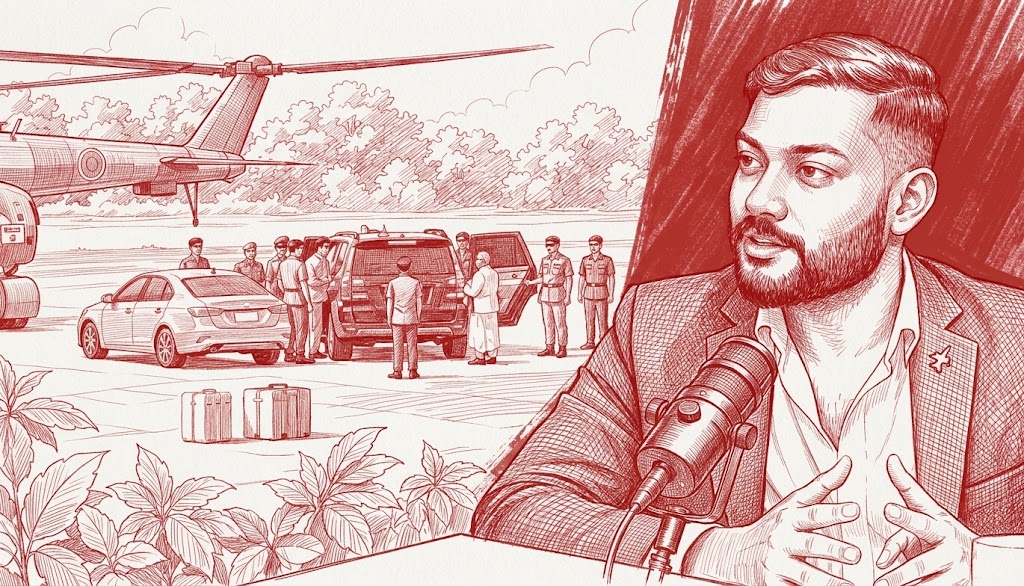
শেখ হাসিনার প্রত্যাবর্তনের এই পুরো নীল নকশাটি কোনো আকাশকুসুম কল্পনা নয়, বরং পর্দার আড়ালে শুরু হওয়া উচ্চপর্যায়ের গোপন ব্যাকচ্যানেল কূটনীতি বা ট্র্যাক-টু ডিপ্লোমেসির এক সুস্পষ্ট ফসল। সম্প্রতি দক্ষিণ ও মধ্য এশিয়া অঞ্চলে আন্তর্জাতিক কূটনীতিক এবং রাষ্ট্রপ্রধানদের অস্বাভাবিক ও ঝটিকা সফরগুলো এই প্রক্রিয়ারই স্পষ্ট ইঙ্গিত বহন করে। ভুটানের রাজার পরপর দুইবার আকস্মিক বাংলাদেশ সফর এবং সফরকালে বিভিন্ন পক্ষের সাথে গোপন বৈঠক আন্তর্জাতিক রাজনীতির একটি গুরুত্বপূর্ণ সংকেত। একই সাথে আমেরিকার শীর্ষ কূটনীতিকদের সাথে বাংলাদেশের সেনাপ্রধানের ঘনঘন সাক্ষাৎ, মার্কিন দূতদের ঢাকা থেকে দ্রুত ভারত সফর এবং ভারতের জাতীয় নিরাপত্তা উপদেষ্টা অজিত দোভালের বাংলাদেশ ও আন্তর্জাতিক সহযোগীদের সাথে সমন্বিত কূটনৈতিক যোগাযোগ প্রমাণ করে যে, ওয়াশিংটন ও নয়াদিল্লি এখন শেখ হাসিনার প্রত্যাবর্তনকে কেন্দ্র করে একটি সুনির্দিষ্ট অ্যাকশন প্ল্যানে একসাথে কাজ করছে। মার্কিন প্রভাবশালী প্রতিনিধি সার্জিও গোরের বাংলাদেশ সফর কিংবা জামায়াতের আমিরের তুরস্ক সফর এবং তৎপ্রেক্ষিতে ভারতীয় রাষ্ট্রদূতের তুরস্ক ভ্রমণ নির্দেশ করে যে, মধ্যপ্রাচ্য ও পশ্চিমা শক্তিগুলোর মধ্যে বাংলাদেশের ভবিষ্যৎ নিয়ে ব্যাপক দরকষাকষি চলছে। এই সমস্ত উচ্চপর্যায়ের কূটনৈতিক চাল ও প্রবাহের মূল কেন্দ্রে রয়েছে ঢাকার মূল রাজনৈতিক ধারাকে স্বাভাবিক করা এবং শেখ হাসিনার নিরাপত্তা ও প্রত্যাবর্তনকে সুনিশ্চিত করা।
ভারত ও যুক্তরাষ্ট্রের মধ্যবর্তী নতুন কূটনৈতিক সমীকরণ এই অঞ্চলে এক নতুন অধ্যায়ের সূচনা করেছে। অতীতে অনেক ভূ-রাজনৈতিক ইস্যুতে ওয়াশিংটন ও নয়াদিল্লির মধ্যে দৃষ্টিভঙ্গির ভিন্নতা থাকলেও, বাংলাদেশের ক্ষেত্রে তারা বর্তমানে একই বিন্দুতে এসে দাঁড়িয়েছে। বঙ্গোপসাগরীয় অঞ্চল এবং ইন্দো-প্যাসিফিক অঞ্চলে নিরাপত্তা বজায় রাখার প্রশ্নে উভয় দেশই উপলব্ধি করেছে যে, একটি বিশৃঙ্খল বা উগ্রবাদঘেঁষা বাংলাদেশ কেবল ভারতের উত্তর-পূর্বাঞ্চলের জন্যই হুমকি নয়, বরং মার্কিন যুক্তরাষ্ট্রের দক্ষিণ এশীয় কৌশলের জন্যও মারাত্মক বিপর্যয় ডেকে আনবে। ফলে, মার্কিন পররাষ্ট্র দপ্তর এবং ভারতের সাউথ ব্লক এখন যৌথভাবে একটি 'রোডম্যাপ' তৈরি করেছে। এই প্রক্রিয়ার অংশ হিসেবেই মার্কিন রাষ্ট্রদূত এবং ঊর্ধ্বতন কর্মকর্তাদের নিয়মিত ঢাকা ও নয়াদিল্লি সফর, পাশাপাশি ভারতের জাতীয় নিরাপত্তা উপদেষ্টার মধ্যস্থতায় পরিচালিত আলোচনাগুলো বাস্তবে রূপ নিতে শুরু করেছে। জামায়াতের নেতাদের তুরস্ক সফরের মতো ঘটনাগুলোর পর ভারতীয় রাষ্ট্রদূতের তুরস্কে তড়িৎ কূটনৈতিক পদক্ষেপ প্রমাণ করে যে, কোনো অবস্থাতেই আন্তর্জাতিক বা আঞ্চলিক কোনো অক্ষকে বাংলাদেশের রাজনীতিতে উগ্রপন্থী শক্তিকে প্রতিষ্ঠিত করতে দেওয়া হবে না।
এই সম্ভাব্য রাজনৈতিক প্রত্যাবর্তনে সবচেয়ে কার্যকর ও অনুঘটকের ভূমিকা পালন করছে বাংলাদেশ সেনাবাহিনী। ২০২৪ সালের আগস্টে শেখ হাসিনাকে নিরাপদে সামরিক বিমানে ভারতে পৌঁছে দেওয়ার পর থেকেই সেনা সদর দপ্তর এবং সেনাপ্রধান জেনারেল ওয়াকার-উজ-জামান একটি সুনির্দিষ্ট আন্তর্জাতিক ও অভ্যন্তরীণ ভারসাম্য বজায় রেখে চলছেন। রাজনৈতিক প্রশাসনের রাজনৈতিক অদক্ষতা ও গভর্নেন্স ড্রিফট যখন দেশকে একটি চরম অকার্যকর রাষ্ট্রের দিকে নিয়ে যাচ্ছিল, তখন সেনাপ্রধান নিজেকে কেবল একজন সামরিক নেতা হিসেবে না রেখে একজন দূরদর্শী মিলিটারি ডিপ্লোম্যাট হিসেবে তুলে ধরেছেন। সরকারের পক্ষ থেকে সেনাপ্রধানের ক্ষমতার ডানা ছাঁটার জন্য ঢাকাকেন্দ্রিক গুরুত্বপূর্ণ ব্রিগেডগুলোতে রাজনৈতিক বদলি কিংবা তাঁর বিদেশ সফরে প্রশাসনিক বাধা সৃষ্টি করার চেষ্টা করা হলেও, সেনাপ্রধান তাঁর বাহিনীর ভেতরে জ্যেষ্ঠ কর্মকর্তাদের একটি সুদৃঢ় সুরক্ষা বলয় তৈরি করতে সক্ষম হয়েছেন। মার্কিন প্যাসিফিক কমান্ডের কর্মকর্তাদের সাথে তাঁর বৈঠক, অস্ট্রেলিয়া ও যুক্তরাষ্ট্র সফর এবং অভ্যন্তরীণ দরবারে তরুণ সেনা কর্মকর্তাদের ক্ষোভ নিরসন করার মাধ্যমে সেনাপ্রধান বাহিনীর ভেতর এবং আন্তর্জাতিক অঙ্গনে অত্যন্ত শক্তিশালী অবস্থান তৈরি করেছেন। সেনাপ্রধান স্পষ্ট বুঝতে পেরেছেন যে, দেশে স্থায়ী রাজনৈতিক স্থিতিশীলতা আনতে হলে এবং আওয়ামী লীগকে রাজনীতিতে পুনর্বাসিত করতে হলে সেনাবাহিনীর প্রত্যক্ষ ও পরোক্ষ মধ্যস্থতার কোনো বিকল্প নেই।
সামরিক বাহিনীর নিজস্ব অভ্যন্তরীণ পেশাদারিত্ব ও প্রাতিষ্ঠানিক ঐক্য বজায় রাখাও এই প্রক্রিয়ার একটি অত্যন্ত গুরুত্বপূর্ণ দিক। সেনাপ্রধানের নেতৃত্বাধীন জ্যেষ্ঠ সামরিক কমান্ড এটি ভালো করেই জানে যে, একটি অস্থিতিশীল রাজনৈতিক পরিবেশ দীর্ঘমেয়াদে সেনাবাহিনীর ভাবমূর্তি ও কার্যক্ষমতাকে ক্ষুণ্ন করে। তাই তারা কেবল ক্ষমতার সাময়িক ভারসাম্য রক্ষায় সীমাবদ্ধ না থেকে, দেশে একটি স্থায়ী রাজনৈতিক সমাধান নিশ্চিত করতে চায়। সাম্প্রতিক সময়ে সেনা দরবারে জুনিয়র অফিসারদের পক্ষ থেকে উত্থাপিত নানা প্রশ্ন ও উদ্বেগ থেকে এটি পরিষ্কার যে, বাহিনীর ভেতরে সাধারণ সৈনিক ও কর্মকর্তাদের মধ্যেও দেশের অর্থনৈতিক ও রাজনৈতিক অবক্ষয় নিয়ে গভীর দুশ্চিন্তা রয়েছে। এই অভ্যন্তরীণ চাপ সেনাপ্রধানকে আরও দৃঢ়তার সাথে একজন মধ্যস্থতাকারী হিসেবে কাজ করতে বাধ্য করছে। সরকারের পক্ষ থেকে সেনাপ্রধানের অস্ট্রেলিয়া ও যুক্তরাষ্ট্র সফরের সময় সরকারি আদেশ বা জিও আটকে রেখে যে প্রশাসনিক বাধা তৈরির অপচেষ্টা চালানো হয়েছিল, তা সেনাবাহিনীর পেশাদারিত্বে আঘাত হিসেবে গণ্য হয়েছে। ফলে সেনাপ্রধান নিজের অবস্থানকে আরও শক্ত করেছেন এবং আন্তর্জাতিক মহলে নিজের গ্রহণযোগ্যতাকে প্রমাণ করে দেখিয়েছেন যে, সেনাবাহিনীই এখন বাংলাদেশের একমাত্র সুসংগঠিত ও নির্ভরযোগ্য প্রতিষ্ঠান।
শেখ হাসিনার প্রত্যাবর্তন প্রক্রিয়াটি মূলত একাধিক পর্যায়ে এবং অত্যন্ত পরিকল্পিতভাবে বাস্তবায়িত হতে পারে। প্রথমত, মার্কিন যুক্তরাষ্ট্র এবং ভারতের মধ্যে একটি উচ্চপর্যায়ের যৌথ কৌশলগত ঐকমত্য তৈরি হয়েছে। উভয় দেশই অনুধাবন করেছে যে, বাংলাদেশে একটি অস্থিতিশীল ও চরমপন্থী প্রভাবাধীন সরকার টিকে থাকলে আন্তর্জাতিক সমুদ্রসীমা, ইন্দো-প্যাসিফিক কৌশল এবং আঞ্চলিক নিরাপত্তা মারাত্মক হুমকির মুখে পড়বে। ফলে, ওয়াশিংটন ও নয়াদিল্লি যৌথভাবে বর্তমান অন্তর্বর্তী বা রাজনৈতিক কাঠামোর ওপর তীব্র কূটনৈতিক ও অর্থনৈতিক চাপ সৃষ্টি করছে, যাতে তারা আওয়ামী লীগের ওপর থেকে রাজনৈতিক নিষেধাজ্ঞা তুলে নিতে বাধ্য হয়। দ্বিতীয়ত, আন্তর্জাতিক এই চাপের মুখে সেনাবাহিনীর মাধ্যমে 'ট্র্যাক-টু' ব্যাকচ্যানেল আলোচনা চূড়ান্ত রূপ লাভ করবে, যেখানে শেখ হাসিনার দেশে ফেরার সময় তাঁর ব্যক্তিগত নিরাপত্তা, আইনি ইনডেমনিটি এবং আওয়ামী লীগের নির্বাচনে অংশগ্রহণের নিশ্চয়তা দেওয়া হবে। আন্তর্জাতিক হাইকমিশনারগণ এবং বন্ধুভাবাপন্ন রাষ্ট্রগুলোর ক্রমাগত সফর মূলত এই সমন্বয় প্রক্রিয়ারই প্রশাসনিক বৈধতা নিশ্চিত করছে।
সামরিক বাহিনীর জ্যেষ্ঠ পর্যায় এবং সাধারণ জনগণের বিশাল একটি গোষ্ঠী এখন উপলব্ধি করতে পারছে যে, বর্তমান সরকারের নীতিহীনতা এবং চরম প্রশাসনিক ব্যর্থতা দেশকে গৃহযুদ্ধের দিকে ঠেলে দিচ্ছে। এই গভীর জাতীয় সংকট থেকে দেশকে রক্ষা করতে হলে রাজনৈতিক দলগুলোর মধ্যে পারস্পরিক সমঝোতা এবং একটি শক্ত সামরিক-কূটনৈতিক গ্যারান্টির প্রয়োজন। শেখ হাসিনা যেহেতু সামরিক কাঠামোর মাধ্যমেই দেশত্যাগ করেছিলেন, তাই একটি সুনির্দিষ্ট কৌশলগত ও আন্তর্জাতিক চুক্তির আওতায় সেই সামরিক এবং কূটনৈতিক চ্যানেলের মাধ্যমেই তাঁর দেশে ফেরার পথ প্রশস্ত হচ্ছে। ভারতের সাথে শেখ হাসিনার ঐতিহাসিক সুসম্পর্ক এবং যুক্তরাষ্ট্রের বৈশ্বিক সুরক্ষার সমন্বয়ে একটি যৌথ নিরাপত্তা বলয় তৈরি হচ্ছে, যা তাঁর প্রত্যাবর্তনকে কেবল নিশ্চিতই করবে না, বরং বাংলাদেশে একটি নতুন রাজনৈতিক ভারসাম্য ও টেকসই স্থিতিশীলতা প্রতিষ্ঠা করবে।
একটি দেশের টেকসই উন্নয়ন ও স্থিতিশীলতার জন্য যা সবচেয়ে বেশি প্রয়োজন, তা হলো অভ্যন্তরীণ রাজনৈতিক শক্তির সুস্থ চর্চা এবং প্রতিবেশী ও বৈশ্বিক পরাশক্তিগুলোর সাথে ভারসাম্যপূর্ণ সম্পর্ক। গত দুই বছরে বাংলাদেশ যেভাবে আন্তর্জাতিক অঙ্গনে একঘরে হয়ে পড়ার ঝুঁকিতে পড়েছিল এবং যেভাবে উগ্রবাদী শক্তির কাছে জিম্মি হওয়ার উপক্রম হয়েছিল, তা থেকে মুক্তির একমাত্র পথ হলো সর্বজনগ্রাহ্য একটি রাজনৈতিক পুনর্মিলন। শেখ হাসিনার নেতৃত্বাধীন বিগত এক দশকেরও বেশি সময়কালে বাংলাদেশ যে আন্তর্জাতিক মর্যাদা এবং ভূ-রাজনৈতিক গুরুত্ব অর্জন করেছিল, তা পুনঃপ্রতিষ্ঠা করা আজ সময়ের দাবি। আওয়ামী লীগকে রাজনৈতিক প্রক্রিয়া থেকে বিচ্ছিন্ন করে রেখে বাংলাদেশে কখনো দীর্ঘমেয়াদী গণতন্ত্র বা শান্তি প্রতিষ্ঠা করা সম্ভব নয়। এই সত্যটি আজ দেশের ভেতর থেকে শুরু করে ওয়াশিংটন, নয়াদিল্লি, এমনকি বহির্বিশ্বের প্রধান প্রধান শক্তিগুলো স্বীকার করে নিচ্ছে।
পরিশেষে বলা যায়, ২০২৬ সালের ডিসেম্বরের দিকে শেখ হাসিনার প্রস্তাবিত প্রত্যাবর্তন কোনো একক রাজনৈতিক দলের জয় বা পরাজয়ের বিষয় নয়; এটি বাংলাদেশের ভূ-রাজনৈতিক বাস্তবতা এবং অস্তিত্ব রক্ষার লড়াইয়ের এক অনিবার্য পরিণতি। ড. ইউনূসের নেতৃত্বাধীন প্রশাসন কিংবা বিএনপি যে চরম আন্তর্জাতিক অনাগ্রহ এবং অভ্যন্তরীণ বিশৃঙ্খলা তৈরি করেছে, তা বিশ্ব পরাশক্তিগুলোকে নতুন করে চিন্তা করতে বাধ্য করেছে। যুক্তরাষ্ট্র, ভারত এবং আঞ্চলিক অন্যান্য মিত্ররা এখন এটি নিশ্চিত করতে চায় যে, বাংলাদেশে চরমপন্থার কোনো স্থান থাকবে না এবং অর্থনৈতিক প্রবৃদ্ধি পুনর্জীবিত হবে। আন্তর্জাতিক চাপ, আইনি সমতার যৌক্তিকতা, সেনাবাহিনীর সুচিন্তিত ডিপ্লোমেসি এবং উচ্চপর্যায়ের ট্র্যাক-টু যোগাযোগের সমন্বয়ে শেখ হাসিনার বাংলাদেশে ফিরে আসা এখন কেবল সময়ের ব্যাপার। এই প্রত্যাবর্তন বাংলাদেশকে পুনরায় একটি স্থিতিশীল, প্রগতিশীল এবং শক্তিশালী ভূ-রাজনৈতিক সত্তা হিসেবে বিশ্বমঞ্চে প্রতিষ্ঠিত করতে সহায়ক ভূমিকা পালন করবে।
লেখক: ঈশ্বর ভট্টাচার্য, প্রাবন্ধিক, কলামিস্ট ও রাজনৈতিক বিশ্লেষক
The geopolitical landscape of Bangladesh and the recent politics of power have turned the potential return of former Prime Minister Sheikh Hasina into a deeply complex yet inevitable focal point of discussion. Ever since her dramatic departure in August 2024 through military and diplomatic mediation, the vacuum and governance paralysis created in South Asian politics have pushed contemporary Bangladesh toward an unprecedented crisis. As of late 2026, it is becoming clear that Bangladesh is not only plagued by internal crises but is also undergoing a major restructuring within the geopolitical calculations of global powers. Sheikh Hasina’s political return does not depend solely on her personal or party desires; rather, the groundwork is being laid upon the administrative paralysis of the country, political instability, economic crisis, and the joint strategic interests of Washington and New Delhi in world politics.
The interim government’s utter failure to maintain administrative and social order within the country has built the strongest argument in favor of Sheikh Hasina’s return. The breakdown of law and order alongside the resurgence of fundamentalist and militant forces have triggered deep concerns regarding both domestic security and the international arena. In the present context, no other political force has been able to present an alternative to the firm hand with which Sheikh Hasina’s administration previously combated militancy in Bangladesh and enforced a zero-tolerance policy against the spread of religious extremism. Both the Western world—especially the United States—and neighboring India have been observing with utmost gravity just how fatal the rise of an extremist force in Bangladesh could be for the geopolitical balance of all of South Asia. From the very beginning, there were major questions regarding the willingness and capability of the BNP or the interim leadership to control extremist groups, which recent events have proven true. Consequently, international superpowers are now realizing that creating an alternative to Sheikh Hasina is extremely difficult for ensuring long-term stability, counter-terrorism, and the containment of radicalism in the region.
The existing crisis in the country's economic sector serves as a fresh reminder of the importance of Sheikh Hasina’s economic policies and foresight. During the current administration's tenure, the negative policy attitudes and reluctance to disburse loans by the World Bank, the International Monetary Fund (IMF), and other international financial institutions have pushed Bangladesh toward a deep economic recession. The major mega-projects and sustainable development that were secured during Sheikh Hasina’s tenure are now stagnant. The head of the current administration and the BNP leadership have completely failed to earn the confidence of international investors. While the BNP leadership or Dr. Yunus’s administration have escalated the crisis by taking continuous missteps regarding coordinated and sustainable diplomatic relations with the United States and India, Sheikh Hasina maintained a robust and balanced foreign policy for years. The unique diplomatic skill she displayed in simultaneously satisfying two opposing geopolitical powers like the United States and India while safeguarding national interests is absent in today's political arena. Both Washington and New Delhi believe that the return of strong and experienced leadership like Sheikh Hasina is the demand of the time to protect their respective investments and strategic interests.
The collapse of Bangladesh's economic backbone has severely impaired the country's standing within the mainstream global economy. From the readymade garments sector to direct foreign investment, a sort of anarchy has been created across every sector. During Sheikh Hasina's tenure, the IMF and the World Bank considered Bangladesh a symbol of an emerging economic power. However, under the current administration, international development partners and lending agencies are continuously imposing strict conditions on financing and, in many cases, expressing intense reluctance to approve proposed loans. This reluctance from Washington-based financial institutions indicates that the Western financial system has no confidence in the current political and economic structure. This economic stagnation has driven high inflation, unemployment, and social discontent to a point that has become impossible for the current government to manage. This negative stance of international financial institutions is essentially creating an invisible urge to bring a tested and stable economic leadership like Sheikh Hasina back to power or into the political mainstream.
From the perspective of political and legal equality, there is also a strong legal foundation supporting Sheikh Hasina’s return. In the political events following 2024, the way Bangladesh Nationalist Party (BNP) top leader Tarique Rahman received legal acquittals and indemnity from various sentences to return to the political mainstream suggests that, under the exact same administrative and legal rationale, all charges leveled against Sheikh Hasina should be considered politically motivated. If Tarique Rahman can be freed from all legal troubles and rehabilitated into the political arena in the interest of political reconciliation and stability, Sheikh Hasina—as the head of the country's largest political party—fully deserves the same level of legal equality and indemnity. Furthermore, given that Jamaat-e-Islami is currently allowed to engage in open politics despite standing against the foundational principles of the constitution and sovereignty of independent Bangladesh, barring or banning the Bangladesh Awami League—the party that led the country's War of Liberation—is nothing short of extreme political hypocrisy. To bring stability back to the country, an inclusive political environment needs to be created where all political and legal barriers against the Awami League are removed and Sheikh Hasina's return is ensured.
In this context, several additional strong arguments work in favor of Sheikh Hasina's return:
• First Argument: The Argument of Constitutional Continuity: There is an internal constitutional debate regarding the process through which power was transferred after August 5, 2024. Because questions remain over the constitutional obligation under Article 57(3) of the Constitution regarding submitting the Prime Minister's resignation letter to the President, her return can be presented as a constitutional necessity to fill this legal vacuum.
• Second Argument: The Argument of Minority Security and Communal Harmony: The portrayals of attacks on minority communities following 2024 that appeared in international media are highly sensitive issues for India and the Western world. During Sheikh Hasina's tenure, the model of minority security was viewed by India as a guarantee of Bangladesh's secular character. On this ground, Delhi considers her return a precondition for preserving communal harmony in Bangladesh.
• Third Argument: The Strategic Argument on the Bay of Bengal and Saint Martin's: Bangladesh’s position in the geopolitics of the US naval presence in the Bay of Bengal, Saint Martin's Island, and the Myanmar border is vital. The United States desires leadership capable of balancing relations with India while countering Chinese influence. In this regard, Sheikh Hasina's past experience in maintaining a tripartite balance among India, the US, and China establishes her as Washington's most reliable alternative.
• Fourth Argument: The Argument of Party Organizational Reality: The Awami League remains the most well-organized political structure down to the grassroots level in Bangladesh. It is estimated that roughly 40% of the country's voters still support this party. Long-term stability or any inclusive election is impossible while keeping such a massive population outside of politics. Therefore, bringing her back to politics is imperative to make any election credible—an argument being communicated to the international community.
• Fifth Argument: The Argument of Administrative Experience and Bureaucratic Nexus: A large portion of the high-level administration and police force was appointed during Sheikh Hasina's tenure over the last 15 years. Consequently, a lack of coordination is emerging in running field-level administration. To make the civil bureaucracy functional alongside the military, an experienced administrator who understands this entire system is required.
This entire blueprint for Sheikh Hasina's return is not some utopian fantasy, but rather the clear product of high-level secret backchannel diplomacy, or Track-II diplomacy, initiated behind the scenes. The recent unusual and lightning visits of international diplomats and heads of state to the South and Central Asian region bear clear indications of this process. The consecutive sudden visits of the King of Bhutan to Bangladesh and his secret meetings with various parties serve as an important signal in international politics. At the same time, the frequent meetings between top American diplomats and the Bangladesh Army Chief, the rapid visits of US envoys from Dhaka to India, and the coordinated diplomatic communication of Indian National Security Advisor Ajit Doval with Bangladesh and international partners prove that Washington and New Delhi are now working together on a specific action plan centered around Sheikh Hasina's return. The visit of influential US representative Sergio Gor to Bangladesh, or the visit of the Jamaat Amir to Turkey and the subsequent travel of the Indian Ambassador to Turkey, indicate that extensive bargaining is underway between the Middle East and Western powers regarding the future of Bangladesh. At the core of all these high-level diplomatic maneuvers and flows is the normalization of Dhaka's mainstream politics and the securing of Sheikh Hasina's security and return.
The new diplomatic equation between India and the United States has opened a new chapter in the region. Although Washington and New Delhi held differing perspectives on many geopolitical issues in the past, they currently stand at the same point regarding Bangladesh. On the question of maintaining security in the Bay of Bengal and the Indo-Pacific regions, both countries have realized that a chaotic or radicalism-leaning Bangladesh would not only pose a threat to India's northeast, but would also spell severe disaster for the United States' South Asian strategy. Consequently, the US State Department and India's South Block have jointly formulated a "roadmap." As part of this process, regular visits to Dhaka and New Delhi by the US Ambassador and senior officials, alongside discussions mediated by India's National Security Advisor, have begun to take physical shape. Events such as the diplomatic steps swiftly taken by the Indian Ambassador to Turkey following the Turkey visit of Jamaat leaders prove that under no circumstances will any international or regional axis be allowed to establish an extremist force in Bangladesh's politics.
Playing the most effective and catalytic role in this potential political return is the Bangladesh Army. Ever since Sheikh Hasina was safely flown to India in a military aircraft in August 2024, the Army Headquarters and Army Chief General Waker-Uz-Zaman have maintained a specific international and internal balance. When the political inefficiency and governance drift of the political administration were driving the country toward an utterly dysfunctional state, the Army Chief projected himself not merely as a military leader, but as a visionary military diplomat. Although attempts were made from the government's side to clip the Army Chief's wings through political transfers in key Dhaka-centric brigades or by creating administrative hurdles for his foreign visits, the Army Chief has succeeded in building a solid protective ring of senior officers within his force. Through his meetings with US Pacific Command officials, visits to Australia and the US, and by resolving the grievances of young military officers in internal durbars, the Army Chief has established an immensely powerful position both inside the force and in the international arena. The Army Chief has clearly understood that to bring permanent political stability to the country and rehabilitate the Awami League into politics, direct and indirect mediation by the army has no alternative.
Preserving the military's internal professionalism and institutional unity is also a crucial aspect of this process. The senior military command led by the Army Chief knows very well that an unstable political environment undermines the army's image and operational capability in the long run. Therefore, rather than being confined to maintaining a temporary balance of power, they wish to secure a permanent political solution in the country. It is clear from various questions and concerns raised by junior officers in recent military durbars that ordinary soldiers and officers within the force also harbor deep anxiety regarding the country's economic and political decay. This internal pressure is compelling the Army Chief to act more firmly as a mediator. The administrative hurdles attempted by the government through withholding official orders or Government Orders (GOs) during the Army Chief's visits to Australia and the United States were regarded as a blow to military professionalism. Consequently, the Army Chief has hardened his stance and proven his acceptability in the international arena, demonstrating that the army is currently Bangladesh's sole well-organized and reliable institution.
Sheikh Hasina's return process may essentially be implemented in multiple stages and with meticulous planning. First, a high-level joint strategic consensus has been formed between the United States and India. Both countries have realized that if an unstable government under extremist influence survives in Bangladesh, international maritime boundaries, the Indo-Pacific strategy, and regional security will face severe threats. Consequently, Washington and New Delhi are jointly exerting intense diplomatic and economic pressure on the current interim or political structure to force them to lift political bans on the Awami League. Second, under this international pressure, "Track-II" backchannel discussions mediated through the army will reach a final form, wherein guarantees will be provided regarding Sheikh Hasina's personal safety, legal indemnity, and the Awami League's participation in elections. Continuous visits by international High Commissioners and friendly states essentially serve to secure administrative validation for this coordination process.
The senior echelon of the military and a massive segment of the general public are beginning to realize that the current government's policy-devoid nature and extreme administrative failure are pushing the country toward civil war. To save the country from this deep national crisis, mutual compromise among political parties and a strong military-diplomatic guarantee are required. Since Sheikh Hasina departed through the military framework, the path for her return is being paved through those exact military and diplomatic channels under a specific strategic and international agreement. A joint security umbrella is forming through the integration of Sheikh Hasina's historic good relations with India and global security guarantees from the United States, which will not only ensure her return but also establish a new political balance and sustainable stability in Bangladesh.
What is most needed for a country's sustainable development and stability is the healthy practice of internal political forces and balanced relationships with neighboring and global superpowers. The only way to escape the risk of international isolation and the threat of being held hostage by radical forces—as Bangladesh has faced over the past two years—is a universally accepted political reconciliation. Re-establishing the international dignity and geopolitical importance that Bangladesh achieved during the decade and more under Sheikh Hasina's leadership is the demand of the hour. Long-term democracy or peace can never be established in Bangladesh while keeping the Awami League isolated from the political process. This truth is being acknowledged today by forces ranging from within the country to Washington, New Delhi, and even major powers across the wider world.
In conclusion, Sheikh Hasina's proposed return around December 2026 is not a matter of a single political party's victory or defeat; it is an inevitable consequence of Bangladesh's geopolitical reality and struggle for survival. The extreme international disinterest and internal chaos created by Dr. Yunus's administration or the BNP have forced global superpowers to rethink. The United States, India, and other regional allies now want to ensure that radicalism has no place in Bangladesh and that economic growth is revitalized. Through a combination of international pressure, the rationale of legal equality, the thoughtful diplomacy of the army, and high-level Track-II communication, Sheikh Hasina's return to Bangladesh is now only a matter of time. This return will play a contributory role in re-establishing Bangladesh on the global stage as a stable, progressive, and powerful geopolitical entity.
Author: Ishwar Bhattacharya, Essayist, Columnist, and Political Analyst