
ইউনূসের দুঃশাসন: অভিশপ্ত সময়

বাংলাদেশের সাম্প্রতিক অর্থনৈতিক ও প্রাতিষ্ঠানিক বাস্তবতা নিয়ে জনমনে উদ্বেগ ক্রমেই বাড়ছে। একসময় যে অর্থনীতি ধারাবাহিক প্রবৃদ্ধি, অবকাঠামো উন্নয়ন এবং দারিদ্র্য হ্রাসের উদাহরণ হিসেবে আন্তর্জাতিক অঙ্গনে আলোচিত হতো, আজ সেই অর্থনীতিই নানা সংকট, অনিশ্চয়তা ও আস্থাহীনতার মুখোমুখি। অনেকের মতে, অন্তর্বর্তী সরকারের দেড় বছরের শাসন দেশের অর্থনৈতিক ভিত্তিকে দুর্বল করে দিয়েছে এবং গত দুই দশকের বহু অর্জনকে প্রশ্নের মুখে ঠেলে দিয়েছে।
ইউনূস এবং তারেক রহমান সরকারের পক্ষ থেকে আগের শেখ হাসিনার সরকারের বিরুদ্ধে বিপুল অর্থ পাচারের অভিযোগ তোলা হয়েছে। কিন্তু এসব অভিযোগের পক্ষে এখনো পর্যন্ত সুস্পষ্ট ও গ্রহণযোগ্য প্রমাণ জনসমক্ষে উপস্থাপিত হয়নি। ফলে অভিযোগের রাজনৈতিক তাৎপর্য নিয়ে যেমন বিতর্ক রয়েছে, তেমনি প্রশ্ন উঠেছে— বর্তমান সরকারের নিজস্ব অর্থনৈতিক ব্যবস্থাপনা কতটা কার্যকর হয়েছে।
ইউনূসের সমর্থকেরা বৈদেশিক মুদ্রার রিজার্ভ বৃদ্ধিকে একটি বড় সাফল্য হিসেবে তুলে ধরছেন। কিন্তু একটি দেশের অর্থনৈতিক শক্তি কেবল রিজার্ভের অঙ্ক দিয়ে নির্ধারিত হয় না। একটি জাতির প্রকৃত অগ্রগতি নির্ভর করে জিডিপি প্রবৃদ্ধি, কর্মসংস্থান, বিনিয়োগ, মানবসম্পদ উন্নয়ন, শিল্প উৎপাদন, দারিদ্র্য হ্রাস এবং নাগরিকের জীবনমানের ওপর। এসব সূচকে যদি ইতিবাচক পরিবর্তন না আসে, তাহলে শুধু রিজার্ভ বৃদ্ধিকে অর্থনৈতিক ‘ম্যাজিক’ বলা কঠিন।
ইউনূসের আমলে আর্থিক খাতের চিত্রও ছিল উদ্বেগজনক। ব্যাংকিং খাতে খেলাপি ঋণের পরিমাণ বেড়েছিল উল্লেখযোগ্যভাবে। আন্তর্জাতিক রেটিং সংস্থা মুডিস বাংলাদেশের ব্যাংকিং খাতের আউটলুক ‘স্থিতিশীল’ থেকে ‘ঋণাত্মক’-এ নামিয়ে এনেছিল। একই সঙ্গে কয়েকটি ব্যাংকের আর্থিক সক্ষমতা নিয়ে প্রশ্ন দেখা দিয়েছিল। অন্যদিকে পুঁজিবাজারে ধারাবাহিক দরপতন ছিল বিনিয়োগকারীদের আস্থাহীনতার প্রতিফলন। ব্যক্তি খাতে ঋণপ্রবাহও উল্লেখযোগ্যভাবে কমে গিয়েছিল, যা নতুন বিনিয়োগের গতি শ্লথ হওয়ার ইঙ্গিত বহন করে।
বিদেশি বিনিয়োগের ক্ষেত্রেও প্রত্যাশা ও বাস্তবতার মধ্যে বড় ব্যবধান তৈরি হয়েছিল। রাজনৈতিক অনিশ্চয়তা, নীতিগত অস্থিরতা এবং নিরাপত্তা নিয়ে উদ্বেগের কারণে অনেক সম্ভাব্য বিনিয়োগকারী অপেক্ষার নীতি গ্রহণ করেছিলেন। এর প্রভাব পড়েছিল শিল্পায়ন, কর্মসংস্থান এবং রপ্তানি খাতে। দেশীয় শিল্পপ্রতিষ্ঠানগুলোও উৎপাদন ব্যাহত হওয়া, চাহিদা হ্রাস এবং অর্থায়নের সংকটে এখন পরে টিকে থাকার সংগ্রাম করছে।
ইউনূসের আমলে সৃষ্ট অর্থনৈতিক সংকটের সবচেয়ে বড় মূল্য দিচ্ছেন সাধারণ মানুষ। উচ্চ মূল্যস্ফীতি, জীবনযাত্রার ব্যয় বৃদ্ধি, কর্মসংস্থানের সীমিত সুযোগ এবং আয়-ব্যয়ের ভারসাম্য নষ্ট হওয়ায় মধ্যবিত্ত ও নিম্নআয়ের পরিবারগুলো কঠিন বাস্তবতার মুখোমুখি। মানুষের ক্রয়ক্ষমতা কমে গেলে তার প্রভাব পুরো অর্থনীতিতেই পড়ে, কারণ অভ্যন্তরীণ বাজারের চাহিদা দুর্বল হয়ে যায়।
একই সঙ্গে আইন-শৃঙ্খলা ও নিরাপত্তা পরিস্থিতি নিয়েও উদ্বেগ প্রকাশ করা হচ্ছে। সমালোচকদের দাবি, উগ্রবাদ ও জঙ্গিবাদ মোকাবিলায় ইউনূস সরকারের কার্যকর উদ্যোগের ঘাটতি আন্তর্জাতিক অঙ্গনে বাংলাদেশের ভাবমূর্তিকে ক্ষতিগ্রস্ত করেছে। অর্থনৈতিক উন্নয়নের জন্য রাজনৈতিক স্থিতিশীলতা, নিরাপত্তা এবং আইনের শাসন অপরিহার্য— এসবের যেকোনো একটিতে দুর্বলতা দেখা দিলে বিনিয়োগ ও প্রবৃদ্ধি উভয়ই ক্ষতিগ্রস্ত হয়।
বাংলাদেশের সামনে এখন সবচেয়ে বড় চ্যালেঞ্জ হলো অর্থনীতিতে আস্থা ফিরিয়ে আনা। এজন্য প্রয়োজন স্বচ্ছতা, জবাবদিহিতা, কার্যকর অর্থনৈতিক নীতি, শক্তিশালী আর্থিক প্রতিষ্ঠান এবং বিনিয়োগবান্ধব পরিবেশ। রাজনৈতিক মতভেদ যাই থাকুক না কেন, একটি বিষয় স্পষ্ট— দীর্ঘমেয়াদি উন্নয়নের জন্য কেবল প্রচারণা নয়, বাস্তব ফলাফলই শেষ পর্যন্ত মানুষের কাছে গ্রহণযোগ্যতা পায়।
বাংলাদেশ অতীতেও বহু সংকট অতিক্রম করেছে। বর্তমান পরিস্থিতিও কাটিয়ে ওঠা সম্ভব, যদি রাষ্ট্র পরিচালনায় জবাবদিহিতা, নীতিগত স্থিরতা এবং জনগণের আস্থা পুনর্গঠনের দিকে সর্বোচ্চ গুরুত্ব দেওয়া হয়। অন্যথায় অর্থনৈতিক ও প্রাতিষ্ঠানিক এই সংকট দীর্ঘস্থায়ী হয়ে ভবিষ্যৎ প্রজন্মের ওপরও এর নেতিবাচক প্রভাব পড়তে পারে। দায়িত্ব গ্রহণের ছয় মাস অতিক্রম হলেও বর্তমানের তারেক রহমান সরকার ইউনূস সৃষ্ঠ দুর্যোগ কাটিয়ে উঠতে পারেনি, বরং তাদের সক্ষমতা নিয়েও ইতিমধ্যে প্রশ্ন উঠেছে।
লেখক: লেখক: ড.আবুল হাসনাৎ মিল্টন, প্রধান সম্পাদক, দ্যা সোর্স নিউজ বাংলা
সম্পর্কিত সংবাদ
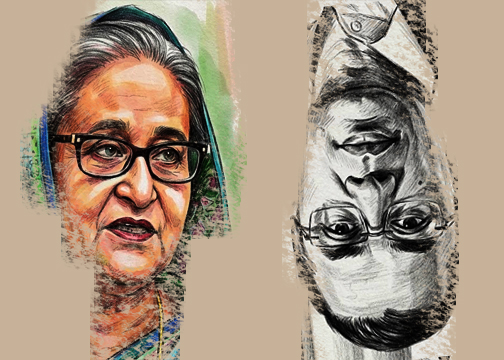
দ্রুত উন্নয়নের দিকে ধাবিত দেশটি উল্টো দ্রুত গতিতে ধ্বংসের দিকে যাচ্ছে। কূটনৈতিক সাফল্য ও বর্তমান নীতিহীনতার ফলে সৃষ্টি সংকট। দ্বিতীয় পর্ব:
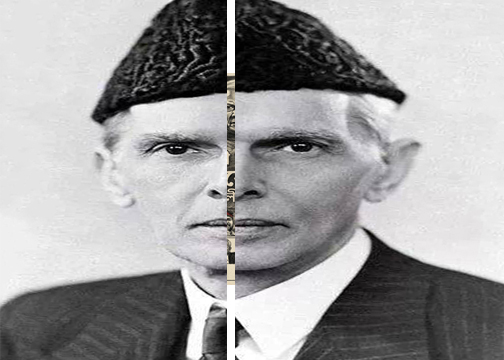
জিন্নাহর উত্তরাধিকার ও জামায়াতের রাজনীতি: আদর্শিক ধারাবাহিকতা নাকি সুবিধাবাদ?
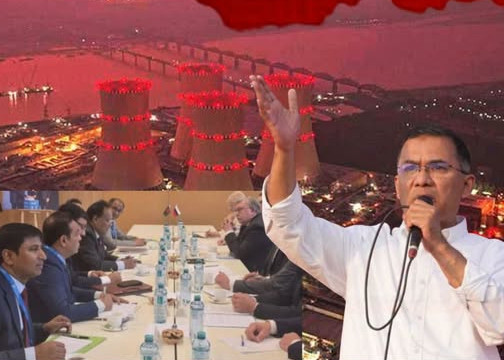
তীব্র বিদ্যুৎ সংকটের ধাক্কা: রূপপুর নিয়ে ঢাকার সুর বদল, ভিয়েনায় রোসাটমের সঙ্গে জরুরি বৈঠক