ইতিহাসের সবচেয়ে বড় শিক্ষা হলো—‘ইতিহাস থেকে কেউ শেখে না; যারা শেখে, তারাই ইতিহাস হয়ে ওঠে।’ কথাটি আমার নয়; এটি ইতিহাসের জনক ঐতিহাসিক হেরোডোটাসের।
আজকের বেলুচিস্তানের ঐতিহাসিক মুহূর্ত বিবেচনা করলে এই কথাটি বারবার মনে পড়ে। যদি পাকিস্তান ইতিহাস থেকে শিক্ষা নিত, যদি আজ থেকে পঞ্চান্ন বছর আগে বাংলাদেশের মানুষের ওপর চালানো বর্বরতা থেকে তারা কোনো শিক্ষা গ্রহণ করত, তাহলে হয়তো আজ বেলুচিস্তানে এমন পরিস্থিতির সৃষ্টি হতো না।
১৯৭১ সালের ২১ ফেব্রুয়ারি ঢাকার কেন্দ্রীয় শহীদ মিনারে জাতির পিতা বঙ্গবন্ধু শেখ মুজিবুর রহমান তাঁর ভাষণে বলেছিলেন, “পাঠান তার অধিকার পাক, সিন্ধ তার অধিকার পাক, বেলুচ তার অধিকার পাক। আমি বাঙালি, আমিও আমার অধিকার চাই।”
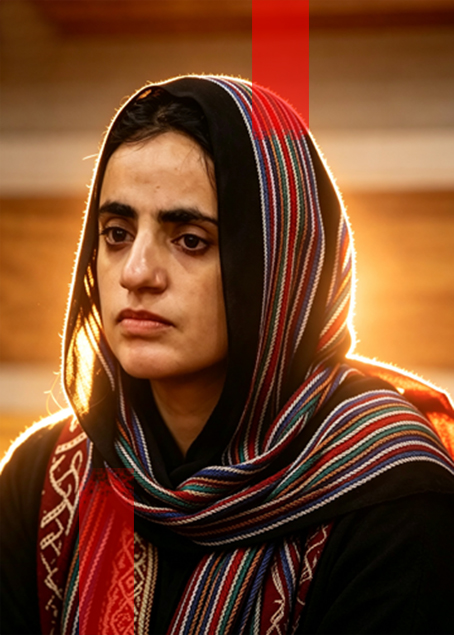
দক্ষিণ এশিয়ার রাজনীতিতে বেলুচিস্তান আজ আবারও আলোচনার কেন্দ্রবিন্দু। ভৌগোলিকভাবে পাকিস্তানের সবচেয়ে বড় প্রদেশ হলেও দীর্ঘদিন ধরে রাষ্ট্রীয় অবহেলা, সম্পদ লুণ্ঠন, রাজনৈতিক বঞ্চনা এবং মানবাধিকার লঙ্ঘনের অভিযোগে অঞ্চলটি ক্রমেই অস্থির হয়ে উঠেছে। সাম্প্রতিক সময়ে বিভিন্ন আন্তর্জাতিক ও আঞ্চলিক গণমাধ্যমে অসমর্থিত সূত্রের বরাতে বেলুচিস্তানের স্বাধীনতার ঘোষণা, পৃথক পতাকা, জাতীয় সংগীত ও মুদ্রার খবর প্রকাশিত হয়েছে। এসব তথ্য স্বাধীনভাবে যাচাই করা না গেলেও একটি প্রশ্ন আবারও সামনে এসেছে—পাকিস্তানের মতো শক্তিশালী রাষ্ট্র থেকে বেলুচরা কেন স্বাধীনতা চাইছে?
এই প্রশ্নের উত্তর খুঁজতে গেলে অনিবার্যভাবেই ফিরে তাকাতে হয় বাংলাদেশের ইতিহাসের দিকে। একসময় একই প্রশ্ন করা হতো বাঙালিদের—কেন তারা পাকিস্তান থেকে আলাদা হতে চায়? আজ বেলুচিস্তানের ঘটনাপ্রবাহ যেন সেই প্রশ্নেরই নতুন প্রেক্ষাপটে পুনরাবৃত্তি।
স্বাধীনতার পাঁচ দশকেরও বেশি সময় পেরিয়ে যাওয়ায় বাংলাদেশের নতুন প্রজন্মের অনেকের কাছে মুক্তিযুদ্ধের বাস্তবতা ক্রমশ দূরের ইতিহাসে পরিণত হয়েছে। প্রত্যক্ষ অভিজ্ঞতার অভাবে স্বাধীনতার প্রয়োজনীয়তা, পাকিস্তানি শাসনের প্রকৃতি এবং মুক্তিযুদ্ধের মূল্য নিয়ে বিভ্রান্তি ও বিতর্কও তৈরি হয়েছে। এমনকি ইতিহাস অস্বীকার বা বিকৃত করার প্রবণতাও সমাজের একটি অংশে দৃশ্যমান। অথচ ইতিহাসের শিক্ষা হলো—অত্যাচার, বৈষম্য ও বঞ্চনার বিরুদ্ধে মানুষের স্বাধীনতার আকাঙ্ক্ষা কখনোই কৃত্রিমভাবে সৃষ্টি হয় না; তা দীর্ঘ অভিজ্ঞতার মধ্য দিয়েই জন্ম নেয়।
বেলুচিস্তানের বর্তমান পরিস্থিতি সেই বাস্তবতাকেই নতুন করে সামনে নিয়ে এসেছে। মানবাধিকার সংগঠনগুলোর প্রকাশিত বিভিন্ন প্রতিবেদনে গুম, বিচারবহির্ভূত হত্যা, জোরপূর্বক নিখোঁজ এবং সামরিক অভিযানের অভিযোগ নিয়মিত উঠে এসেছে। এসব অভিযোগ পাকিস্তান সরকার অস্বীকার করলেও বেলুচ জাতীয়তাবাদী সংগঠন ও মানবাধিকারকর্মীরা দাবি করে আসছেন যে, বছরের পর বছর ধরে অঞ্চলটি কঠোর নিরাপত্তা নীতির আওতায় পরিচালিত হচ্ছে। এই অভিযোগগুলোর সঙ্গে বাংলাদেশের স্বাধীনতার পূর্ববর্তী সময়ে পূর্ব পাকিস্তানে সংঘটিত দমন-পীড়নের স্মৃতি অনিবার্যভাবেই তুলনার সুযোগ তৈরি করে।
শুধু নিরাপত্তা নয়, ভাষা ও সংস্কৃতির প্রশ্নেও মিল খুঁজে পান অনেক বিশ্লেষক। বেলুচদের অভিযোগ, তাদের ভাষা ও সাংস্কৃতিক পরিচয়ের পরিবর্তে রাষ্ট্র পরিচালিত ভাষা ও সংস্কৃতিকে প্রাধান্য দেওয়া হয়েছে। ভাষাগত ও সাংস্কৃতিক আধিপত্য প্রতিষ্ঠার এই বিতর্ক বাংলাদেশের ভাষা আন্দোলনের ইতিহাসকে স্মরণ করিয়ে দেয়। ১৯৪৮ সালে উর্দুকে একমাত্র রাষ্ট্রভাষা ঘোষণার সিদ্ধান্ত এবং তার বিরুদ্ধে বাঙালির প্রতিরোধ শেষ পর্যন্ত ১৯৫২ সালের ভাষা আন্দোলনের মধ্য দিয়ে ইতিহাসের এক নতুন অধ্যায় রচনা করেছিল।
অর্থনৈতিক বৈষম্যের বিষয়টিও দুই অঞ্চলের অভিজ্ঞতার মধ্যে গুরুত্বপূর্ণ সাদৃশ্য তৈরি করে। বেলুচিস্তান প্রাকৃতিক গ্যাস, তামা, সোনা ও অন্যান্য খনিজ সম্পদে সমৃদ্ধ হলেও অঞ্চলটির দারিদ্র্য পাকিস্তানের মধ্যে সর্বোচ্চ বলে বিভিন্ন গবেষণায় উল্লেখ করা হয়েছে। স্থানীয়দের অভিযোগ, তাদের সম্পদ দেশের অন্য অঞ্চলের উন্নয়নে ব্যবহৃত হলেও বেলুচিস্তান নিজেই উন্নয়ন থেকে বঞ্চিত।
স্বাধীনতার আগে পূর্ব পাকিস্তানের ক্ষেত্রেও অনুরূপ অভিযোগ ছিল। তৎকালীন বিভিন্ন গবেষণায় উল্লেখ করা হয়েছে, বৈদেশিক সহায়তা, শিল্প বিনিয়োগ এবং অবকাঠামো উন্নয়নের বড় অংশ পশ্চিম পাকিস্তানে ব্যয় করা হতো, অথচ বৈদেশিক মুদ্রা অর্জনে পূর্ব পাকিস্তানের অবদান ছিল অত্যন্ত গুরুত্বপূর্ণ। অর্থনৈতিক বৈষম্যও মুক্তিযুদ্ধের অন্যতম প্রধান রাজনৈতিক ভিত্তিতে পরিণত হয়েছিল।
এই কারণেই অনেকের কাছে বেলুচিস্তানের সংকট কেবল একটি আঞ্চলিক সংঘাত নয়; বরং ইতিহাসের পুনরাবৃত্তির মতো একটি সতর্কবার্তা। যখন কোনো জনগোষ্ঠী দীর্ঘদিন ধরে রাজনৈতিক অধিকার থেকে বঞ্চিত হয়, সাংস্কৃতিক পরিচয় সংকুচিত হয়, অর্থনৈতিক সম্পদের ন্যায্য অংশ থেকে বঞ্চিত হয় এবং মানবাধিকার লঙ্ঘনের অভিযোগ ক্রমাগত বাড়তে থাকে, তখন বিচ্ছিন্নতাবাদী মনোভাবের জন্ম নেওয়া অস্বাভাবিক নয়।
বাংলাদেশের মুক্তিযুদ্ধ ছিল বহু বছরের রাজনৈতিক, সাংস্কৃতিক ও অর্থনৈতিক বৈষম্যের পরিণতি। সেই ইতিহাস আজও প্রাসঙ্গিক, কারণ বিশ্বের বিভিন্ন প্রান্তে একই ধরনের সংকট ভিন্ন ভিন্ন রূপে দেখা যায়। বেলুচিস্তানের চলমান পরিস্থিতি তাই বাংলাদেশের স্বাধীনতার ইতিহাসকে নতুন করে উপলব্ধি করার একটি গুরুত্বপূর্ণ প্রেক্ষাপট হয়ে উঠতে পারে।
ইতিহাসের সবচেয়ে বড় শিক্ষা হলো—শক্তি দিয়ে ভূখণ্ড দখল করা যায়, কিন্তু মানুষের আত্মপরিচয়, মর্যাদা ও স্বাধীনতার আকাঙ্ক্ষাকে দীর্ঘদিন দমিয়ে রাখা যায় না। বাংলাদেশের মুক্তিযুদ্ধ সেই সত্য প্রতিষ্ঠা করেছিল। বেলুচিস্তানের ঘটনাপ্রবাহও হয়তো আবার সেই একই প্রশ্ন বিশ্বের সামনে উত্থাপন করছে।
লেখক: ড.আবুল হাসনাৎ মিল্টন, প্রধান সম্পাদক, দ্যা সোর্স নিউজ বাংলা
The greatest lesson of history is this: “No one learns from history; those who do become history themselves.” These are not my words but those of Herodotus, the Father of History.
Reflecting on the present historical moment in Balochistan, this quotation comes to mind repeatedly. Had Pakistan learned from history—had it drawn any lessons from the atrocities committed against the people of Bangladesh fifty-five years ago—perhaps Balochistan would not be facing its current predicament today.
On February 21, 1971, at the Central Shaheed Minar in Dhaka, the Father of the Nation, Bangabandhu Sheikh Mujibur Rahman, declared in his speech: “Let the Pathans have their rights, let Sindh have its rights, let the Baloch have their rights. I am a Bengali, and I too demand my rights.”
Today, Balochistan has once again become a focal point of South Asian politics. Although it is Pakistan's largest province by area, it has remained plagued by allegations of state neglect, resource exploitation, political marginalization, and human rights abuses. In recent months, various international and regional media outlets, citing unverified sources, have reported claims regarding a declaration of Balochistan's independence, along with the adoption of a separate flag, national anthem, and currency. While these reports cannot be independently verified, they have revived a fundamental question: why do the Baloch seek independence from a powerful state like Pakistan?
To answer that question, one inevitably has to look back at the history of Bangladesh. Once upon a time, the same question was asked about the Bengalis: why did they want to separate from Pakistan? The developments in Balochistan today seem to echo that very question in a new historical context.
More than five decades after Bangladesh's independence, the realities of the Liberation War have gradually become distant history for many in the younger generation. The lack of firsthand experience has contributed to confusion and debate over the necessity of independence, the nature of Pakistani rule, and the true significance of the Liberation War. In some quarters, attempts to deny or distort history have also become evident. Yet history teaches us that the desire for freedom in the face of oppression, discrimination, and deprivation is never artificially manufactured; it emerges from prolonged lived experience.
The current situation in Balochistan once again brings that reality into focus. Reports published by various human rights organizations have consistently documented allegations of enforced disappearances, extrajudicial killings, arbitrary detentions, and military operations in the region. Although the Government of Pakistan rejects these allegations, Baloch nationalist organizations and human rights advocates maintain that the province has long been governed under an exceptionally stringent security regime. These allegations inevitably invite comparisons with the repression that took place in what was then East Pakistan before Bangladesh's independence.
Many analysts also identify striking similarities in the areas of language and culture. Baloch activists argue that state-sponsored language and cultural policies have been prioritized at the expense of the Baloch language and identity. This debate over linguistic and cultural dominance inevitably recalls Bangladesh's own Language Movement. In 1948, Pakistan's decision to declare Urdu as the sole state language triggered widespread Bengali resistance, culminating in the historic Language Movement of 1952, which became a defining chapter in Bangladesh's struggle for self-determination.
Economic disparity presents another important parallel. Despite being rich in natural gas, copper, gold, and other mineral resources, Balochistan remains Pakistan's poorest province according to numerous studies. Local communities argue that while their natural wealth has fueled development elsewhere in the country, Balochistan itself has remained deprived of meaningful economic progress.
Before Bangladesh's independence, similar grievances existed in East Pakistan. Contemporary studies noted that the overwhelming share of foreign aid, industrial investment, and infrastructure development was directed toward West Pakistan, even though East Pakistan made a vital contribution to the country's foreign exchange earnings. Economic discrimination ultimately became one of the principal political foundations of Bangladesh's Liberation War.
For this reason, many observers view the crisis in Balochistan as more than a regional conflict—it serves as a warning that history may be repeating itself. When a people are denied political rights for generations, when their cultural identity is suppressed, when they are deprived of a fair share of their own resources, and when allegations of human rights abuses continue to mount, the emergence of separatist aspirations should not come as a surprise.
Bangladesh's Liberation War was the culmination of years of political, cultural, and economic discrimination. That history remains relevant today because similar crises continue to emerge in different forms across the world. The ongoing developments in Balochistan therefore provide an important opportunity to revisit and better understand the historical significance of Bangladesh's own struggle for independence.
The greatest lesson of history is that territory may be conquered by force, but the human yearning for identity, dignity, and freedom cannot be suppressed indefinitely. Bangladesh's Liberation War established that truth. The unfolding events in Balochistan may once again be placing the very same question before the world.
Author: Dr. Abul Hasnat Milton
Editor-in-Chief, The Source News Bangla