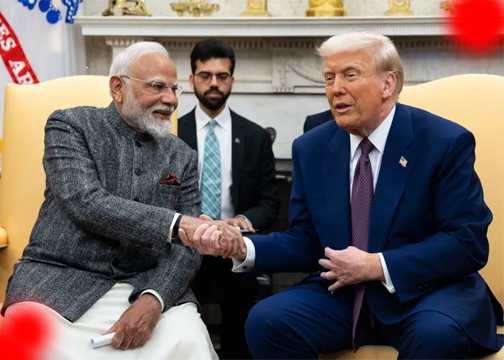
হোয়াইট হাউসে ট্রাম্প-মোদি বৈঠকের পর থেকে ওয়াশিংটন ও নতুন দিল্লির মধ্যস্থতায় দক্ষিণ এশিয়া বিষয়ে এক ধরণের অলিখিত সমঝোতার আভাস পাওয়া যায়। সাম্প্রতিক সময়ে যুক্তরাষ্ট্রের বিশেষ দূত এবং প্যাসিফিক ফ্লিট কমান্ডারের মতো উচ্চপর্যায়ের সামরিক কর্মকর্তার ঢাকা সফর প্রমাণ করে যে, ওয়াশিংটন এককভাবে বঙ্গোপসাগর অঞ্চলের নিরাপত্তার সমীকরণ ভারতের ওপর ছেড়ে দিতে প্রস্তুত।
মনে থাকার কথা- "I'll leave Bangladesh to Prime Minister Modi." অর্থাৎ "আমি বাংলাদেশকে মোদীর হাতে ছেড়ে দেব।" ২০২৫ সালের ফেব্রুয়ারিতে হোয়াইট হাউসে নরেন্দ্র মোদিকে পাশে বসিয়ে ডোনাল্ড ট্রাম্প বলেছিলেন।
সেই মন্তব্য তখন অনেকেই হালকাভাবে নিয়েছিলেন। কিন্তু প্রায় দেড় বছর পর, সাম্প্রতিক সপ্তাহগুলোতে ঢাকায় দুই দেশের একের পর এক উচ্চপর্যায়ের সফর নজর কাড়ছে-
সাম্প্রতিক সময়ে দক্ষিণ এশিয়ার কূটনৈতিক মানচিত্রে বাংলাদেশকে ঘিরে চরম তৎপরতা লক্ষ্য করা যাচ্ছে। আন্তর্জাতিক রাজনীতির দৃশ্যপটে বহু মেরুকরণের এই যুগে ঢাকাকে কেন্দ্র করে বড় পরাশক্তিগুলোর অবস্থান ও কৌশলগত পদক্ষেপে একটি নতুন মাত্রা যোগ হয়েছে। বিশ্বরাজনীতির পর্দার আড়ালে চলতে থাকা ক্ষমতার দ্বন্দ্ব এখন ক্রমশ প্রকাশ্যে আসছে, যা বাংলাদেশের জাতীয় নিরাপত্তা, সার্বভৌমত্ব এবং পররাষ্ট্রনীতির ওপর বড় ধরনের প্রভাব ফেলছে।
হোয়াইট হাউসে ট্রাম্প-মোদি বৈঠকের পর থেকে ওয়াশিংটন ও নতুন দিল্লির মধ্যস্থতায় দক্ষিণ এশিয়া বিষয়ে এক ধরণের অলিখিত সমঝোতার আভাস পাওয়া যায়। তবে মাঠপর্যায়ের চিত্র কেবল একক প্রভাব বিস্তারের মধ্যে সীমাবদ্ধ নেই। সাম্প্রতিক সময়ে যুক্তরাষ্ট্রের বিশেষ দূত এবং প্যাসিফিক ফ্লিট কমান্ডারের মতো উচ্চপর্যায়ের সামরিক কর্মকর্তার ঢাকা সফর প্রমাণ করে যে, ওয়াশিংটন এককভাবে বঙ্গোপসাগর অঞ্চলের নিরাপত্তার সমীকরণ ভারতের ওপর ছেড়ে দিতে প্রস্তুত।
একই সঙ্গে ভারতের গোয়েন্দা প্রধান ও কূটনৈতিকদের ধারাবাহিক উপস্থিতি প্রকাশ করে—ভারত তার উত্তর-পূর্বাঞ্চলীয় রাজ্যগুলোর নিরাপত্তা, ট্রানজিট সুবিধা এবং ভূরাজনৈতিক নিয়ন্ত্রণ বজায় রাখতে কতটা তৎপর।
ইন্দো-প্যাসিফিক অঞ্চলে চীনকে সামলাতে মার্কিন যুক্তরাষ্ট্র বাংলাদেশকে তাদের কৌশলের একটি গুরুত্বপূর্ণ অংশ মনে করে। চীনের 'বেল্ট অ্যান্ড রোড ইনিশিয়েটিভ' এর আওতায় বাংলাদেশে বিশাল অবকাঠামোগত বিনিয়োগ ওয়াশিংটন ও দিল্লি উভয়ের জন্যই উদ্বেগের কারণ। যুক্তরাষ্ট্র ও ভারত চায় বাংলাদেশ তাদের নিরাপত্তা ও অর্থনৈতিক বলয়ের কাছাকাছি থাকুক, পাশাপশি বঙ্গোপসাগরে অন্য কোনো তৃতীয় শক্তির আধিপত্য যেন তৈরি না হয়।
মার্কিন- ভারত দৃষ্টিভঙ্গি হলে অবাধ ও উন্মুক্ত ইন্দো-প্যাসিফিক নিশ্চিত করা এবং বঙ্গোপসাগরে নিজেদের কৌশলগত উপস্থিতি বজায় রাখা।
মহাশক্তিগুলোর এই ভূরাজনৈতিক খেলায় বাংলাদেশের সামনে দুটি পথ খোলা রয়েছে। প্রথমত, অর্থনৈতিক ও বাণিজ্যিক ক্ষেত্রে এই মনোযোগকে কাজে লাগিয়ে বড় ধরনের বৈদেশেক বিনিয়োগ, প্রযুক্তি সহায়তা এবং অবকাঠামোগত উন্নয়ন নিশ্চিত করা সম্ভব।
বাংলাদেশে চলমান এই কূটনৈতিক দৌড়ঝাঁপ কোনো সাময়িক ঘটনা নয়, বরং এটি দীর্ঘমেয়াদী ভূরাজনৈতিক পুনর্বিন্যাসের সূচনা। বাংলাদেশকে অত্যন্ত বিচক্ষণতার সাথে "সবার সাথে বন্ধুত্ব, কারও সাথে বৈরিতা নয়" শেখ হাসিনা সরকারের পররাষ্ট্রনীতি বজায় রেখে নিজস্ব জাতীয় স্বার্থকে অগ্রাধিকার দিতে হবে। বড় শক্তিগুলোর বলয় তৈরির প্রতিযোগিতায় বাংলাদেশ কি লাভবান হবে, নাকি কৌশলগত ঝুঁকির মুখে পড়বে—তা নির্ভর করবে ঢাকার পরিপক্ব কূটনীতি ও দূরদর্শী সিদ্ধান্তের ওপর।
লেখক: ড.আবুল হাসনাৎ মিল্টন, সাংবাদিক,রাজনৈতিক বিশ্লেষক ও প্রধান সম্পাদক,দ্যা সোর্স নিউজ বাংলা
Since the Trump-Modi meeting at the White House, hints of an unwritten understanding regarding South Asia mediated between Washington and New Delhi have emerged. Recent visits to Dhaka by high-level military officials, including a U.S. special envoy and the Pacific Fleet Commander, demonstrate that Washington is prepared to leave the security equation of the Bay of Bengal region solely to India. It is worth recalling: "I'll leave Bangladesh to Prime Minister Modi." Donald Trump made this remark in February 2025 at the White House, seated alongside Narendra Modi.
At the time, many took the comment lightly. However, nearly a year and a half later, a series of high-level visits from both countries to Dhaka in recent weeks is drawing significant attention.
Lately, intense activity centered on Bangladesh has been observable on the diplomatic map of South Asia. In this era of multipolarity on the international political stage, the positions and strategic moves of major superpowers surrounding Dhaka have added a new dimension. The struggle for power happening behind the curtains of global politics is increasingly coming out into the open, casting a profound impact on Bangladesh's national security, sovereignty, and foreign policy.
Ever since the Trump-Modi White House meeting, signs of an unwritten understanding between Washington and New Delhi regarding South Asia have surfaced. However, the picture on the ground is not limited to a single nation exerting influence. Recent visits to Dhaka by high-ranking military officials—such as the U.S. Special Envoy and the Commander of the Pacific Fleet—indicate that Washington is willing to hand over the Bay of Bengal's security dynamics to India alone. Simultaneously, the consistent presence of India's intelligence chief and diplomats reveals how active India is in maintaining geopolitical control, transit facilities, and the security of its northeastern states.
To counter China in the Indo-Pacific region, the United States considers Bangladesh a crucial component of its strategy. China's massive infrastructure investments in Bangladesh under the 'Belt and Road Initiative' (BRI) remain a major point of concern for both Washington and Delhi. The U.S. and India want Bangladesh to stay close to their security and economic sphere while ensuring that no third power establishes dominance in the Bay of Bengal.
The joint US-India vision aims to secure a free and open Indo-Pacific and maintain their strategic presence in the Bay of Bengal.
In this geopolitical game played by superpowers, two paths lie open before Bangladesh. First, it can leverage this global attention in economic and commercial sectors to secure major foreign investment, technological assistance, and infrastructural development.
The ongoing diplomatic hustle in Bangladesh is not a temporary phenomenon; rather, it marks the beginning of a long-term geopolitical realignment. Bangladesh must navigate this with great prudence, prioritizing its own national interests while adhering to the foreign policy principle of the Sheikh Hasina government: "Friendship to all, malice towards none." Whether Bangladesh will benefit from the superpowers' competition to create spheres of influence or face strategic risk depends entirely on Dhaka's mature diplomacy and visionary decisions.
Author: Dr. Abul Hasnat Milton, Journalist, Political Analyst, and Editor-in-Chief, The Source News Bangla