
জনগণের ভালোবাসাই আমার শক্তি: সত্য, সংগ্রাম,গণতন্ত্র ও সংবিধান পুনরুদ্ধারের আমার অঙ্গীকার- শেখ হাসিনা
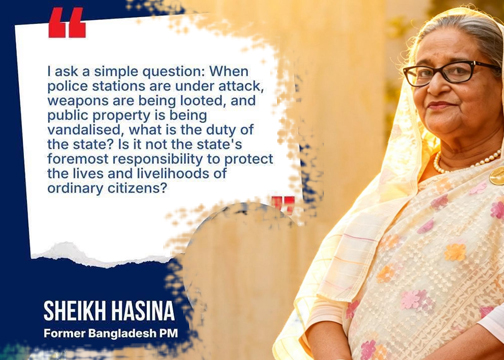
নয়াদিল্লিতে Foreign Correspondents' Club of South Asia আয়োজিত সংবাদ সম্মেলনে, বাংলাদেশের পাঁচবারের প্রধানমন্ত্রী শেখ হাসিনার মূল বক্তব্য।
আজ আমি শুধু বাংলাদেশের পাঁচবারের প্রধানমন্ত্রী হিসেবে নয়, জাতির পিতা বঙ্গবন্ধু শেখ মুজিবুর রহমানের কন্যা হিসেবেও আপনাদের সামনে কথা বলছি। আমি এমন একজন মানুষ, যিনি সারা জীবন বাংলাদেশের মানুষের সঙ্গে থেকেছেন। আমাকে আমার দেশ থেকে দূরে থাকতে বাধ্য করা হয়েছে, কিন্তু আমাকে কখনোই আমার জনগণের কাছ থেকে বিচ্ছিন্ন করা যায়নি।
বর্তমান সংকট নিয়ে কথা বলার আগে আমি গভীর শ্রদ্ধার সঙ্গে স্মরণ করছি জাতির পিতা বঙ্গবন্ধু শেখ মুজিবুর রহমানকে, জাতীয় চার নেতাকে এবং আমাদের মহান মুক্তিযুদ্ধের ৩০ লাখ শহীদকে। একই সঙ্গে গভীর বেদনার সঙ্গে স্মরণ করছি আমার পরিবারের সেই সদস্যদের, যাদের আমি ১৯৭৫ সালের ১৫ আগস্ট হারিয়েছিলাম।
আজ আমার প্রিয় ভাই শেখ কামালের জন্মদিনও। তিনি আমার চেয়ে দুই বছরের ছোট ছিলেন। তিনি ছিলেন একজন বীর মুক্তিযোদ্ধা, যুবনেতা, ক্রীড়া সংগঠক এবং সাংস্কৃতিক কর্মী। তাঁর জীবন বাংলাদেশের তরুণ প্রজন্মের সাহস, সৃজনশীলতা ও দেশপ্রেমের প্রতীক ছিল। আজ আমি তাঁকে গভীর ভালোবাসা, বেদনা ও গর্বের সঙ্গে স্মরণ করছি।
গত ২ বছর ধরে আমি আমার প্রিয় বাংলাদেশকে কষ্ট পেতে দেখেছি। মানুষের ঘরে, কর্মক্ষেত্রে এবং শিক্ষাঙ্গনে ভয় ঢুকে পড়েছে। এটি সেই বাংলাদেশ নয়, যা আমরা গড়ে তুলেছিলাম। এটি সেই বাংলাদেশ নয়, যার জন্য ১৯৭১ সালে ৩০ লাখ মানুষ জীবন উৎসর্গ করেছিলেন।
আমি ২০২৪ সালের জুলাই ও আগস্ট সম্পর্কে সত্য দিয়ে শুরু করতে চাই।
এটি কোনো শান্তিপূর্ণ ছাত্র আন্দোলন ছিল না। শুরু থেকেই আমার সরকার সংলাপ, আইনি প্রক্রিয়া এবং ধৈর্যের মাধ্যমে বিষয়টির সমাধান করতে চেয়েছিল। কিন্তু সংস্কারের দাবির আড়ালে সংগঠিত কিছু গোষ্ঠী ছাত্রদের দাবিকে সহিংস রাজনৈতিক হাতিয়ারে পরিণত করার চেষ্টা করছিল।
২০১৮ সালে ছাত্রদের দাবির প্রেক্ষিতে আমরা কোটা ব্যবস্থা বাতিল করেছিলাম। ২০২৪ সালে যখন হাইকোর্ট সেই সিদ্ধান্ত বাতিল করে, তখন সরকার আপিল করেছিল; কারণ আমরা কোটা বাতিলের সিদ্ধান্ত বহাল রাখতে চেয়েছিলাম।
আমি ব্যক্তিগতভাবে ছাত্রদের সঙ্গে সংলাপের উদ্যোগ নিয়েছিলাম এবং তাদের গণভবনে আমন্ত্রণ জানিয়েছিলাম। তিনজন মন্ত্রীও তাদের সঙ্গে বৈঠক করেছিলেন।
কিন্তু কোটা সংস্কার আন্দোলনকে শেষ পর্যন্ত আমার পদত্যাগের একদফা দাবিতে রূপ দেওয়া হয়। পরিকল্পিতভাবে মিথ্যা প্রচারণা চালানো হয়। প্রকৃত ছাত্রদের আবেগকে ব্যবহার করা হয়, আর সংগঠিত গোষ্ঠীগুলো তাদের আন্দোলনকে সহিংসতা ও অগ্নিসংযোগের আড়াল হিসেবে ব্যবহার করে।
মাহমুদুর রহমান নিজেও বলেছিলেন, এটি ছিল অত্যন্ত পরিকল্পিত একটি আন্দোলন, যার পেছনে একজন মূল পরিকল্পনাকারী (মাস্টারমাইন্ড) ছিলেন। তাঁর নিজের বক্তব্যই সত্যকে প্রকাশ করে। এটি স্বতঃস্ফূর্ত ছাত্র আন্দোলন ছিল না।
এখানে কোনো দৃশ্যমান বা দায়িত্বশীল নেতৃত্ব ছিল না। নির্দেশনা আসছিল অদৃশ্যভাবে। পুরো বিষয়টি সংগঠিত ও পরিচালিত ছিল এবং এর উদ্দেশ্য ছিল ব্যালটের বাইরে ক্ষমতায় যাওয়ার পথ তৈরি করা।
১৫ জুলাই থেকে আন্দোলনের চরিত্র বদলে যায়। শুরু হয় হত্যাকাণ্ড, অগ্নিসংযোগ, হামলা ও লুটপাট। ব্যাপক সম্পদ ধ্বংস করা হয়।
বাংলাদেশ টেলিভিশন ভবনে হামলা চালিয়ে আগুন দেওয়া হয়। শেখ রাসেল ভবন, স্বাস্থ্য অধিদপ্তর, ইপিআই টিকাদান কর্মসূচির ভবন, ফার্মগেট মেট্রোরেল স্টেশন, ফ্লাইওভার, মিরপুর এক্সপ্রেসওয়ে, বৈজ্ঞানিক গবেষণা প্রতিষ্ঠান, দুর্যোগ ব্যবস্থাপনা কার্যালয়, জাতীয় ডেটাবেস সেন্টার, কোভিড-১৯ বিশেষায়িত হাসপাতাল, বাংলাদেশ মেডিকেল বিশ্ববিদ্যালয়, আবাসিক হোটেল, শিল্পপ্রতিষ্ঠান, ব্যবসা প্রতিষ্ঠান, নরসিংদীসহ বিভিন্ন জেলার কারাগারে হামলা, ভাঙচুর ও অগ্নিসংযোগ করা হয়।
কারাগার থেকে সন্ত্রাসী ও অপরাধীদের মুক্ত করে দেওয়া হয়।
সারা দেশে আওয়ামী লীগের কার্যালয়ে হামলা ও ভাঙচুর চালানো হয়। দলের নেতা-কর্মীদের ওপর হামলা হয় এবং অনেককে হত্যা করা হয়। আমার সরকারের মন্ত্রী ও জ্যেষ্ঠ ব্যক্তিদের বাড়িঘর লুটপাট ও অগ্নিসংযোগের শিকার হয়।
গণমাধ্যমও হামলার লক্ষ্যবস্তুতে পরিণত হয়। প্রায় ৫০টি গণমাধ্যম প্রতিষ্ঠান, বেসরকারি টেলিভিশন চ্যানেল ও সংবাদপত্রের কার্যালয়ে হামলা বা অগ্নিসংযোগ করা হয়। সাংবাদিকরাও নিহত হন।
আইনশৃঙ্খলা রক্ষাকারী বাহিনীর ওপরও সংগঠিত হামলা চালানো হয়। পুলিশ সদস্য ও অন্যান্য কর্মকর্তাদের হত্যা করা হয় এবং তাদের মরদেহ ফ্লাইওভারে ঝুলিয়ে রাখা হয়।
প্রায় ৪৬০টি থানায় বা পুলিশ ফাঁড়িতে আগুন দেওয়া হয়। কোথাও কোথাও সদস্যরা ভবনের ভেতরে আটকা পড়ে জীবন্ত দগ্ধ হন। অস্ত্র লুট করা হয়, কর্মকর্তাদের পিটিয়ে হত্যা করা হয়।
নির্যাতিত পুলিশ সদস্যদের তথ্য অনুযায়ী, অন্তত ৩,০০০ সদস্য নিহত, হামলার শিকার, নির্যাতিত বা গুরুতর সহিংসতার শিকার হন।
তাই আমি আপনাদের একটি সহজ প্রশ্ন করতে চাই—
এমন পরিস্থিতিতে আইনশৃঙ্খলা রক্ষাকারী বাহিনীর দায়িত্ব কী? যখন থানায় আগুন দেওয়া হয়, সরকারি ভবনে হামলা হয়, রাষ্ট্রীয় অবকাঠামো ধ্বংস করা হয়, কর্মকর্তাদের হত্যা করা হয় এবং অস্ত্র লুট করা হয়, তখন রাষ্ট্রের কি জীবন ও সম্পদ রক্ষার কোনো দায়িত্ব নেই?
পৃথিবীর প্রতিটি দেশে আইনশৃঙ্খলা রক্ষাকারী বাহিনীর দায়িত্ব হলো নাগরিকদের, রাষ্ট্রের প্রতিষ্ঠানগুলোর এবং নিজেদের জীবন রক্ষা করা। এটি কোনো অপরাধ নয়, আইন তাদের ওপর এই দায়িত্বই অর্পণ করেছে। একই সঙ্গে আমি চেয়েছিলাম সত্য উদঘাটিত হোক। সে কারণেই ২০২৪ সালের ১৮ জুলাই আমি একটি বিচার বিভাগীয় তদন্ত কমিশন গঠন করি। এর উদ্দেশ্য ছিল স্পষ্ট—প্রতিটি মৃত্যুর তদন্ত করা, প্রতিটি সহিংস ঘটনার সত্য উদঘাটন করা এবং প্রতিটি পরিবারকে সত্য জানার সুযোগ করে দেওয়া।
আমি নিহতদের পরিবারের সঙ্গে দেখা করেছি, আহতদের দেখতে গিয়েছি এবং তাদের সর্বোচ্চ মানের চিকিৎসা সম্পূর্ণ বিনা খরচে নিশ্চিত করার নির্দেশ দিয়েছি।
সাংবিধানিক শৃঙ্খলার বিরুদ্ধে এটি ছিল একটি সমন্বিত আক্রমণ—পরিকল্পিত নির্দেশনা, সংগঠিত সহিংসতা এবং প্রচারণার মাধ্যমে পরিচালিত। এই ষড়যন্ত্র ৫ আগস্টে শেষ হয়নি। ৫ আগস্টের পর সহিংসতা রূপ নেয় রাজনৈতিক নিপীড়নের ধারাবাহিক অভিযানে।
১৬ জুলাই ঢাকা কলেজের শিক্ষার্থী ও ছাত্রলীগ কর্মী সবুজ আলীর হত্যার মাধ্যমে যে হত্যাযজ্ঞ শুরু হয়েছিল, তা আজও থামেনি। আওয়ামী লীগের নেতা-কর্মীদের হত্যা করা হচ্ছে, গুম করা হচ্ছে, গ্রেপ্তার করা হচ্ছে, ঘরছাড়া করা হচ্ছে এবং মিথ্যা মামলার বোঝা চাপিয়ে দেওয়া হচ্ছে।
দাবি করা হচ্ছে, অন্তত ১০ হাজার মানুষ নিহত বা গুম হয়েছেন। গত দুই বছরে প্রায় ৬ লাখ ৫০ হাজার মানুষকে গ্রেপ্তার করা হয়েছে এবং প্রায় ৩,৫০০টি মামলা দায়ের করা হয়েছে। এসব মামলায় প্রায় ৪ লাখ ৫০ হাজার নেতা-কর্মী ও সমর্থককে আসামি করা হয়েছে। আরও ১০ লাখের বেশি মানুষকে অজ্ঞাতনামা আসামি হিসেবে অন্তর্ভুক্ত করা হয়েছে। আমার বিরুদ্ধেই ৬০০টিরও বেশি মামলা দায়ের করা হয়েছে।
ছাত্রলীগ, যুবলীগ এবং অন্যান্য সহযোগী সংগঠনের নারী কর্মীরা নির্যাতন, অপমান, হেফাজতে নির্যাতন ও নানা ধরনের হয়রানির শিকার হচ্ছেন। বহু নেতা-কর্মী কারাগারেও প্রাণ হারিয়েছেন। নির্যাতন, চিকিৎসা থেকে বঞ্চিত করা, খাদ্য না দেওয়া, অবহেলা এবং মৌলিক অধিকার অস্বীকারের বহু অভিযোগ নথিভুক্ত হয়েছে।
এই নিপীড়ন শুধু আওয়ামী লীগের সদস্যদের মধ্যেই সীমাবদ্ধ নয়। সংখ্যালঘু সম্প্রদায়ের সদস্য, বিচারক, আইনজীবী, বুদ্ধিজীবী, সাংস্কৃতিক ব্যক্তিত্ব, সাংবাদিক, পেশাজীবী, শ্রমিক, এমনকি রিকশাচালক, কৃষক ও সাধারণ নাগরিকরাও হামলা, গ্রেপ্তার কিংবা হত্যা মামলার আসামি হওয়ার শিকার হয়েছেন। যারা মুক্তিযুদ্ধের চেতনায় বিশ্বাস করেন, তাদের কেউই নিরাপদ নন।
মুক্তিযুদ্ধের স্মারক ও প্রতীক ধ্বংস করা হয়েছে। মুক্তিযোদ্ধাদের জুতার মালা পরিয়ে অপমান করা হয়েছে। ধানমন্ডি ৩২-এ জাতির পিতা বঙ্গবন্ধু শেখ মুজিবুর রহমানের ঐতিহাসিক বাসভবন ও বঙ্গবন্ধু স্মৃতি জাদুঘর ধাপে ধাপে আক্রমণ ও ধ্বংস করা হয়েছে।
এগুলো বিচ্ছিন্ন কোনো সহিংসতা নয়। এগুলো বাংলাদেশের মুক্তিযুদ্ধের চেতনাকে মুছে ফেলার একটি প্রচেষ্টা। প্রধানমন্ত্রী নিজেই দেশের পূর্ববর্তী ইতিহাস মুছে ফেলতে “রিসেট বাটন” চাপার কথা বলেছেন। তারা মুক্তিযুদ্ধকে মুছে ফেলতে চায়, তারা বঙ্গবন্ধুকে মুছে ফেলতে চায়, তারা বাংলাদেশের জন্মের ভিত্তিকে বদলে দিয়ে নতুন করে ইতিহাস লিখতে চায়।
দণ্ডিত যুদ্ধাপরাধীদের মুক্তি দেওয়া হয়েছে। জঙ্গি ও শীর্ষ সন্ত্রাসীদেরও মুক্তি দেওয়া হয়েছে। দীর্ঘ নির্বাচনী প্রক্রিয়ার পর বিএনপি ক্ষমতায় এলেও পরিস্থিতির পরিবর্তন হয়নি। বাংলাদেশ এখনও ভয়, সন্ত্রাস, দমন-পীড়ন, অর্থনৈতিক দুর্দশা এবং গভীর অনিরাপত্তার মধ্যে রয়েছে।
এখন দেশের অবস্থা দেখুন। আমরা যে অগ্রগতি গড়ে তুলেছিলাম, তা ধ্বংস হয়ে গেছে। আর এর মূল্য দিচ্ছেন সাধারণ মানুষ।
দাবি করা হচ্ছে, আওয়ামী লীগ সরকারের সময়ে যেখানে জিডিপি প্রবৃদ্ধি ছিল ৬.৮০ শতাংশ, সেখানে তা নেমে এসেছে ২.২ শতাংশে। শিল্প উৎপাদন তীব্রভাবে কমে গেছে। স্বাধীনতার ৫৪ বছরের ইতিহাসে প্রথমবারের মতো শিল্প খাতে নেতিবাচক প্রবৃদ্ধি দেখা গেছে। ব্যাংক খাতে খেলাপি ঋণের হার ৩০ শতাংশ থেকে বেড়ে ৪৭ শতাংশে পৌঁছেছে বলে দাবি করা হচ্ছে। দারিদ্র্যের হার ১৮.৬০ শতাংশ থেকে বেড়ে ৪৬.৮ শতাংশে দাঁড়িয়েছে। বিনিয়োগ কমে গেছে। কর্মসংস্থান সৃষ্টি প্রায় ভেঙে পড়েছে। নতুন করে ২ কোটির বেশি মানুষ বেকার হয়েছেন। ৫০০-র বেশি শিল্পকারখানা বন্ধ হয়ে গেছে। অর্ধেকেরও বেশি শিল্পপতি ও ব্যবসায়ী হয় কারাগারে, নয়তো আত্মগোপনে রয়েছেন।
সরকার প্রতিদিন ব্যাংক থেকে ৭০০ থেকে ৯০০ কোটি টাকা ঋণ নিয়ে চলছে। বিভিন্ন প্রকল্পের ব্যয় ৫০ শতাংশ থেকে ২৫০ শতাংশ পর্যন্ত বৃদ্ধি করা হয়েছে। একই সময়ে জঙ্গিবাদ বাড়ছে। নারী ও শিশুরা নির্যাতন, ধর্ষণ ও অপমানের শিকার হচ্ছেন। সাধারণ মানুষ নিজেদের জীবন নিয়েও নিরাপদ বোধ করছেন না। চাঁদাবাজি, হত্যা ও অপহরণ নিত্যদিনের ঘটনায় পরিণত হয়েছে।
এগুলো শুধু সংখ্যা নয়, বিচ্ছিন্ন ঘটনাও নয়। প্রতিটি সংখ্যার পেছনে রয়েছে একটি পরিবার, একজন শ্রমিক, একজন কৃষক, একজন ক্ষুদ্র ব্যবসায়ী, এমন এক মা যিনি সন্তানের জন্য খাবার কিনতে পারেন না, এবং এমন এক তরুণ, যে আর ভবিষ্যতের কোনো আশা দেখতে পায় না।
কিন্তু বাংলাদেশ কী অর্জন করেছিল, সেটিও মনে রাখা প্রয়োজন। মানুষের কল্যাণই সবসময় আমার রাজনীতির উদ্দেশ্য ছিল। আমার পিতা, জাতির পিতা বঙ্গবন্ধু শেখ মুজিবুর রহমান, এই আদর্শের জন্য নিজের জীবন উৎসর্গ করেছিলেন। আমিও সেই আদর্শকে পূর্ণ অঙ্গীকারের সঙ্গে ধারণ করেছি।
প্রধানমন্ত্রী হিসেবে আমার পাঁচ মেয়াদে আমরা দীর্ঘমেয়াদি পরিকল্পনা, সুশৃঙ্খল আর্থিক ব্যবস্থাপনা এবং কার্যকর বাস্তবায়নের মাধ্যমে বাংলাদেশের জন্য একটি শক্ত ভিত্তি নির্মাণ করেছি। ২০০৮ সালের পর টানা ১৬ বছরে আমরা পদ্মা সেতু, মেট্রোরেল, রূপপুর পারমাণবিক বিদ্যুৎকেন্দ্র, মাতারবাড়ী গভীর সমুদ্রবন্দর, কর্ণফুলী টানেল এবং বঙ্গবন্ধু স্যাটেলাইটের মতো বড় প্রকল্প বাস্তবায়ন করেছি।
আমরা জিডিপি প্রবৃদ্ধি ৬.৫ থেকে ৭.৫ শতাংশের মধ্যে ধরে রেখেছিলাম। আমাদের উন্নয়ন প্রকল্পগুলো বিলাসিতা ছিল না; এগুলো ছিল জাতীয় সক্ষমতা গড়ে তোলার অংশ। আমাদের সামাজিক কর্মসূচিগুলো দান ছিল না, এগুলো ছিল মানুষের মর্যাদায় বিনিয়োগ। আমরা বাংলাদেশকে মাথা উঁচু করে দাঁড়াতে শিখিয়েছিলাম। আমরা বাংলাদেশকে এশিয়ার উদীয়মান বাঘ হিসেবে পরিচিত করেছিলাম।
বাংলাদেশের সংকট শুধু দেশের অভ্যন্তরীণ সংকট নয়। এটি আঞ্চলিক শান্তি, নিরাপত্তা, বাণিজ্য, উন্নয়ন এবং মানবিক মর্যাদার সঙ্গেও জড়িত। তাই আমি আন্তর্জাতিক সম্প্রদায় এবং বাংলাদেশের সকল বন্ধুদের প্রতি আহ্বান জানাই—বাংলাদেশের জনগণের গণতন্ত্র, ন্যায়বিচার ও শান্তির সংগ্রামে তাদের পাশে দাঁড়ান।
একটি স্থিতিশীল বাংলাদেশ দক্ষিণ এশিয়া, বঙ্গোপসাগরীয় অঞ্চল, উন্নয়ন সহযোগী এবং গণতন্ত্র, আইনের শাসন ও ন্যায়বিচারে বিশ্বাসী সব দেশের জন্য গুরুত্বপূর্ণ। আগামী দশক পুনরুদ্ধার ও নবযাত্রার দশক হতে পারে, যদি গণতন্ত্র পুনঃপ্রতিষ্ঠিত হয় এবং জনগণকে নিজেদের ভবিষ্যৎ নিজেরাই নির্ধারণ করার সুযোগ দেওয়া হয়।
তাই আমি স্পষ্টভাবে কয়েকটি দাবি জানাচ্ছি—
• আওয়ামী লীগের ওপর নিষেধাজ্ঞা প্রত্যাহার করতে হবে। • রাজনৈতিক বন্দিদের মুক্তি দিতে হবে। • মিথ্যা মামলা প্রত্যাহার করতে হবে। • মতপ্রকাশের স্বাধীনতা পুনঃপ্রতিষ্ঠা করতে হবে। • গণমাধ্যমের স্বাধীনতা রক্ষা করতে হবে। • বিচার বিভাগের স্বাধীনতা নিশ্চিত করতে হবে। • আইনশৃঙ্খলা বাহিনী জনগণের জন্য কাজ করবে, ক্ষমতার অপব্যবহারের জন্য নয়। • এগুলো কোনো একটি দলের দাবি নয়, বাংলাদেশকে রক্ষার জন্য প্রয়োজনীয় পদক্ষেপ।
আমার ভাগ্যে যাই থাকুক, আমি আমার মানুষের কাছে ফিরে আসব। আমার প্রিয় দেশবাসী যখন কষ্টে আছে, তখন আমি দূরে থাকতে পারি না। আমি জানি, আমাকে আটক করা হতে পারে, কারাগারে পাঠানো হতে পারে। সাজানো মামলার রায় কার্যকর করারও চেষ্টা হতে পারে। কিন্তু ভয় কখনোই জনগণের প্রতি আমার দায়িত্ব নির্ধারণ করতে পারে না।
অনেক আগেই আমার জীবন ব্যক্তিগত নিরাপত্তার হিসাবের ঊর্ধ্বে চলে গেছে! আমার বিরুদ্ধে যত বাধাই আসুক না কেন, ২০০৪ সালের ২১ আগস্টের গ্রেনেড হামলাও আমাকে থামাতে পারেনি।
তাই আমি আমার নিজের ভবিষ্যৎ নিয়ে উদ্বিগ্ন নই; আমি উদ্বিগ্ন বাংলাদেশের ভবিষ্যৎ নিয়ে। আমি দেশে ফিরতে চাই, কারণ বাংলাদেশের মানুষ নিরাপত্তা, উন্নয়ন, সমৃদ্ধি ও শান্তি পাওয়ার অধিকার রাখে। তারা এমন একটি রাষ্ট্রের যোগ্য, যা তাদের সুরক্ষা দেবে; এমন একটি অর্থনীতির যোগ্য, যা তাদের জন্য সুযোগ সৃষ্টি করবে; এবং এমন একটি গণতন্ত্রের যোগ্য, যা তাদের অধিকার নিশ্চিত করবে।
আমার ফিরে আসা এবং আওয়ামী লীগের গণতান্ত্রিক প্রক্রিয়ায় ফিরে আসা ক্ষমতার প্রশ্ন নয়। এটি বাংলাদেশকে আবার সঠিক পথে ফিরিয়ে আনার প্রশ্ন। এটি দেশের উন্নয়ন, অগ্রগতি, ধর্মনিরপেক্ষতা ও স্থিতিশীলতার ধারাকে পুনরুজ্জীবিত করার বিষয়।
আমি একটিমাত্র উদ্দেশ্য নিয়ে বাংলাদেশে ফিরতে চাই—মানুষের পাশে দাঁড়াতে এবং তাদের জীবন আরও উন্নত করতে।
জনগণই সকল ক্ষমতার উৎস। আমি তাদের ওপর বিশ্বাস করি, তাদের আস্থা রাখি, তাদের ভালোবাসি, এবং আমি তাদের কাছেই ফিরে আসব।
জয় বাংলা। জয় বঙ্গবন্ধু।
আমাকে ধৈর্য সহকারে শোনার জন্য এবং এতটা সময় দেওয়ার জন্য আপনাদের সবাইকে আন্তরিক ধন্যবাদ।
সম্পর্কিত সংবাদ
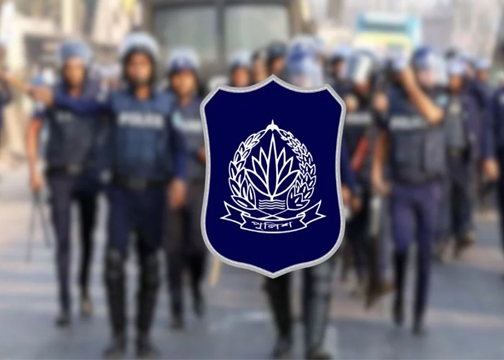
ঝটিকা মিছিলের আতঙ্ক ও বিস্ফোরক অডিও ফাঁস: এসবি প্রধানসহ পুলিশে বড় রদবদল। শীর্ষ পর্যায়ে ১১ পদে পরিবর্তন: প্রশাসনিক সিদ্ধান্ত ও পুলিশের মাঠপর্যায়ে বাড়ছে অসন্তোষ
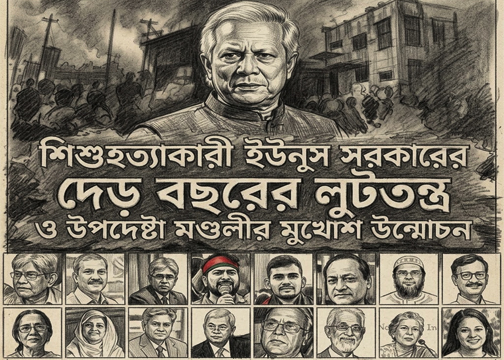
রক্তাক্ত বাংলাদেশ ও সুশীল মুখোশের আড়ালে নজিরবিহীন রাষ্ট্রীয় ডাকাতি: ইউনূস সরকারের দেড় বছরের ভয়াবহ প্রতারণার চালচিত্র: আবেগের ছলে ক্ষমতার মোহ: এক মেটিকুলাস চক্রান্তের শিকার জাতি।
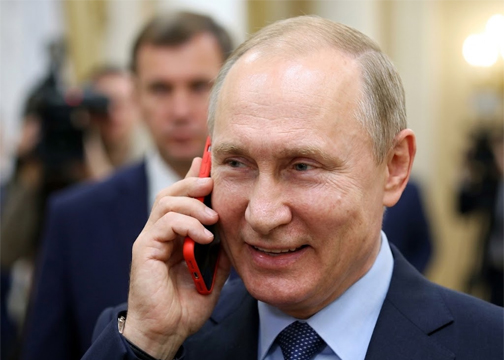
কূটনৈতিক সমীকরণে নতুন মোড়: পুতিন-হাসিনা ' ফোনালাপ' ও রূপপুর প্রকল্প ও দক্ষিণ এশিয়ায় ভূ-রাজনীতির নতুন সমীকরণ, ব্রিকস সম্মেলনের নেপথ্য আলোচনা ও বিশ্ব নেতাদের ভূমিকা