কিছু তারিখ ক্যালেন্ডারের সাধারণ সংখ্যা নয়; তারা একটি জাতির পরাজয়ের পুনরাবৃত্তি হয়ে ওঠে। বাংলাদেশের ইতিহাসে এমন কিছু দিন রয়েছে, যেগুলো আমাদের শুধু অতীতকে স্মরণ করায় না—বারবার একইভাবে আমাদের জাতিকে কখনও পরাধীনতায়, আবার কখনও জাতীয় প্রগতিকে আঘাত করে পিছিয়ে দেয়।
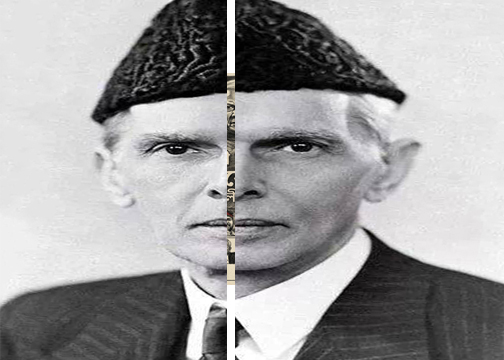
১৭৫৭ সালের পলাশীর যুদ্ধ ছিল বাংলার স্বাধীনতার পতনের সূচনা। সেই পরাজয়ের মূল চরিত্র ছিলেন মীর জাফর, যিনি ছিলেন সিরাজউদ্দৌলার আত্মীয় ও প্রধান সেনাপতি। ইতিহাস আমাদের শেখায়, কোনো জাতি তখনই সবচেয়ে দুর্বল হয়ে পড়ে, যখন তার অভ্যন্তরে বিভক্তি সৃষ্টি হয় এবং জাতীয় স্বার্থের চেয়ে ব্যক্তিগত বা গোষ্ঠীগত স্বার্থ প্রাধান্য পায়। তাই মীর জাফরের নাম শুধু একজন মানুষের পরিচয় নয়; এটি ইতিহাসে বিশ্বাসঘাতকতার একটি প্রতীক হয়ে আছে। আর মীরজাফরের এই বিশ্বাসঘাতকতার মূল্য দিয়েছে পুরো ভারতবর্ষ—২৫০ বছরের ইংরেজ শাসনের মাধ্যমে।
স্বাধীন বাংলাদেশের ইতিহাসেও ১৯৭৫ সালের ১৫ আগস্ট এক গভীর জাতীয় ট্র্যাজেডি। জাতির পিতা বঙ্গবন্ধু শেখ মুজিবুর রহমানকে সপরিবারে হত্যার সেই ঘটনা আজও জাতির বিবেককে নাড়া দেয়। সেই হত্যাকাণ্ডের সঙ্গে জড়িত ছিলেন মীরজাফরের মতোই তাঁর ঘনিষ্ঠ রাজনৈতিক সহযোগী খন্দকার মোশতাক এবং যাদের বঙ্গবন্ধু বিশ্বাস করেছিলেন। আর এই হত্যাকাণ্ডের মধ্য দিয়ে বাংলাদেশে ২০ বছরের সামরিক শাসনের সূচনা হয়। বাংলাদেশের রাষ্ট্রীয় কাঠামো ভেঙে পড়ে; ঘুষ, দুর্নীতি, রাহাজানি, মদ, জুয়া, মানুষের মৌলিক অধিকারের ওপর আঘাত এবং বিচারের নামে প্রহসনসহ একটি ন্যায়ভিত্তিক রাষ্ট্রের কাঠামো পুরোপুরি ধ্বংস করে দেওয়া হয়।
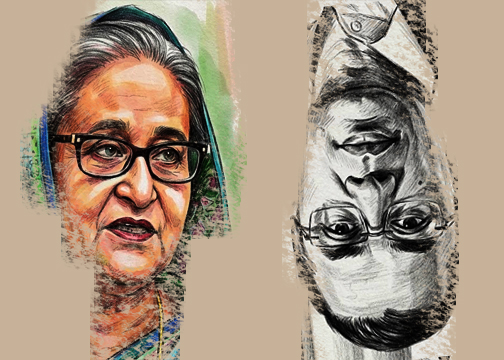
আর এই সামরিক স্বৈরাচারের বিরুদ্ধে দীর্ঘ লড়াই করে শেখ হাসিনার ১৬ বছরের শাসনকালে দেশ যখন উন্নয়ন ও প্রগতির স্পন্দনে এগিয়ে যাচ্ছিল, যখন বাংলাদেশ একটি অসাম্প্রদায়িক রাষ্ট্র হিসেবে পৃথিবীর সকল শ্রেণির মানুষের কাছে বিনিয়োগের অন্যতম স্থান হয়ে উঠেছিল, মানুষ যখন দারিদ্র্যকে পরাজিত করে উন্নত জীবনের স্বপ্ন দেখছিল, যখন শিক্ষা, স্বাস্থ্য, বাসস্থানসহ সকল মৌলিক অধিকার নাগরিকদের জন্য নিশ্চিত হচ্ছিল, তখন আবার একজন মীরজাফরের পুনরায় আবির্ভাব ঘটে। সেই মীরজাফর শেখ হাসিনার আত্মীয় সেনাপ্রধান ওয়াকার-উজ-জামান; যার নেতৃত্বে আবার ৫ আগস্ট ইতিহাসে বেইমানির পুনরাবৃত্তি হয়। যার নেতৃত্বে হাজার হাজার পুলিশ বাহিনীর সদস্য এবং দেশের গুরুত্বপূর্ণ বিচার বিভাগসহ সকল গণতান্ত্রিক প্রতিষ্ঠান ধ্বংস করা হচ্ছে।
অনেক নাগরিকের দৃষ্টিতে ৫ আগস্ট-পরবর্তী সময়ও বাংলাদেশকে নতুন এক অনিশ্চয়তার মুখে দাঁড় করিয়েছে। শুধু অর্থনৈতিক ধ্বংসই নয়, গত দুই বছরে এমন কোনো সামাজিক বা সাংস্কৃতিক প্রতিষ্ঠান নেই, যা আগুন দিয়ে ধ্বংস করা হয়নি। গত দুই বছরে রাজনীতির নামে লক্ষ লক্ষ বাড়িঘর ও ব্যবসাপ্রতিষ্ঠান লুট হয়েছে। অস্থিরতার পাশাপাশি মব সহিংসতা, আইন-শৃঙ্খলার অবনতি এবং নারী ও সংখ্যালঘুদের নির্যাতনের ঘটনা ঘটেছে। প্রকাশ্যে মানুষকে পুড়িয়ে হত্যা করে উল্লাস করা, মুক্তিযোদ্ধাদের জুতার মালা পরিয়ে নির্যাতন, মবের মাধ্যমে ছাত্রদের কর্তৃক শিক্ষকদের ওপর আক্রমণ ও নির্যাতনসহ এমন অসংখ্য মর্মান্তিক ঘটনার জন্ম এই মীরজাফর ওয়াকারের নেতৃত্বে হয়েছে। ইতিহাসে তার মীরজাফরি সকলকে হার মানায়।
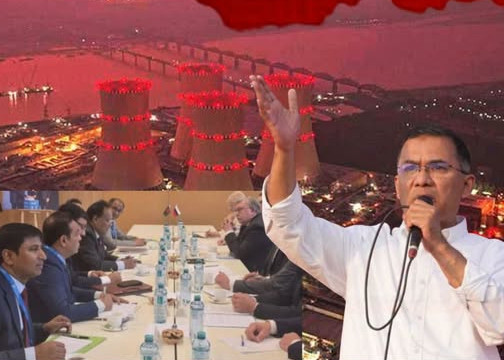
এই ওয়াকার সেদিন ৫ আগস্ট সকল মানুষের নিরাপত্তার দায়িত্ব নিয়েছিল। সেটি ছিল তার অভিনয়। সে তার দুই বছরের সকল কর্মকাণ্ডে প্রমাণ করেছে যে, সে পাকিস্তানি এজেন্ট। এই দেশের মানুষের উন্নয়ন ও সমৃদ্ধি সে মেনে নিতে পারে না। তাই একটি সাজানো-গোছানো দেশকে অর্থনৈতিক, সামাজিক ও রাজনৈতিকভাবে পরিকল্পিতভাবে ধ্বংস করে দিয়েছে। সে জানে অর্থনৈতিক স্থিতিশীলতাও একটি রাষ্ট্রের নিরাপত্তার অংশ। বিনিয়োগে অনিশ্চয়তা, উৎপাদন ব্যাহত হওয়া, শিল্পকারখানা সংকটে পড়া কিংবা বন্ধ হয়ে যাওয়া এবং কর্মসংস্থানের সুযোগ কমে যাওয়া—এসবের প্রভাব শেষ পর্যন্ত পড়ে সাধারণ মানুষের জীবনে। যখন মানুষের আয় কমে যায় অথচ জীবনযাত্রার ব্যয় বাড়তে থাকে, তখন খাদ্য, চিকিৎসা, শিক্ষা ও বাসস্থানের মতো মৌলিক চাহিদা পূরণ আরও কঠিন হয়ে ওঠে। অর্থনৈতিক আস্থা হারালে একটি জাতির সম্ভাবনাও ক্ষতিগ্রস্ত হয়, যা আমাদের দেশে ওয়াকার গং-এর নেতৃত্বে ঘটেছে। তারা মানুষের হতাশাকে পুঁজি করে এখন ধর্মের রাজনীতিকে মানুষের মননে প্রতিষ্ঠা করতে চাইছে। এর প্রমাণ জামায়াত-শিবিরের মৌলবাদীদের ব্যাপক উত্থান।
ইতিহাস আমাদের আরেকটি শিক্ষা দেয়—বেইমান কখনোই মানুষের মনে ঘৃণা ছাড়া আর কিছুই জন্ম দিতে পারে না। সহিংসতা কখনো স্থায়ী সমাধান এনে দেয় না। প্রতিশোধের রাজনীতি, ঘৃণার ভাষা এবং বিভক্তির সংস্কৃতি কোনো জাতিকে শক্তিশালী করে না; বরং তাকে আরও দুর্বল করে। একটি সভ্য রাষ্ট্রের ভিত্তি দাঁড়িয়ে থাকে আইনের শাসন, মানবিক মর্যাদা, গণতান্ত্রিক প্রতিষ্ঠান এবং নাগরিকের নিরাপত্তার ওপর। তাই তো মানুষ এখনো বিশ্বাস করে, ৫ আগস্ট ছিল একটি দেশি-বিদেশি চক্রান্ত; তারা মীরজাফরদের দ্বারা প্রতারিত হয়েছে। তাই তারা আরও আগ্রহী হয়ে জননেত্রী শেখ হাসিনাকে দেশে ফিরিয়ে এনে তাঁর সঙ্গে যে অন্যায় হয়েছে, যে মীরজাফরি হয়েছে, তার প্রতিদান দিতে চায়। আর ওয়াকার ও মীরজাফরদের উপযুক্ত শাস্তি দিতে চায়। তারা এমন একটি বাংলাদেশ চায়, যেখানে রাজনৈতিক মতভেদ থাকবে, কিন্তু সহিংসতা থাকবে না; সমালোচনা থাকবে, কিন্তু ঘৃণা থাকবে না; ক্ষমতার পরিবর্তন হবে, কিন্তু রাষ্ট্রের প্রতিষ্ঠান ও নাগরিকের নিরাপত্তা অটুট থাকবে।
ইতিহাস কাউকে চিরস্থায়ী ক্ষমতা দেয় না, কিন্তু ইতিহাস সবার কর্মকে স্মরণে রাখে। তাই আমাদের দায়িত্ব হলো এমন একটি রাষ্ট্র গড়া, যেখানে সত্যকে ভয় করা হবে না, ন্যায়বিচারকে বিলম্বিত করা হবে না এবং ভবিষ্যৎ প্রজন্মকে বিভক্ত নয়—ঐক্যবদ্ধ একটি বাংলাদেশ উপহার দেওয়া হবে। আর তা-ই হবে পরবর্তী বাংলাদেশে শেখ হাসিনা সরকারের আদর্শ।
লেখক: শচীন বাঙালি,কলামিস্ট ও রাজনৈতি বিশ্লেষক
Some dates are not merely ordinary numbers on a calendar; they become the repetition of a nation's defeat. In the history of Bangladesh, there are certain days that do not just remind us of the past—they repeatedly subject our nation to subjugation or strike a blow to national progress, pushing us backward.
The Battle of Plassey in 1757 marked the beginning of the fall of Bengal's independence. The central character of that defeat was Mir Jafar, who was a relative and the commander-in-chief of Siraj-ud-Daulah. History teaches us that a nation becomes most vulnerable when division arises from within and personal or factional interests take precedence over national interests. Thus, the name Mir Jafar is not merely the identity of a person; it has become a symbol of betrayal in history. And the entire Indian subcontinent paid the price for Mir Jafar's betrayal—through 250 years of British rule.
In the history of independent Bangladesh, August 15, 1975, remains a profound national tragedy. The assassination of the Father of the Nation, Bangabandhu Sheikh Mujibur Rahman, along with his family, still shakes the conscience of the nation. Involved in that massacre were his close political associates, such as Khondaker Mostaq—a Mir Jafar of his time—and others whom Bangabandhu had trusted. Through this assassination, 20 years of military rule were ushered into Bangladesh. The state structure of Bangladesh collapsed; bribery, corruption, robbery, alcohol, gambling, attacks on basic human rights, and a mockery of justice completely destroyed the framework of a fair and just state.
After a long struggle against this military autocracy, during Sheikh Hasina's 16-year rule, the country was moving forward with the momentum of development and progress. Bangladesh was emerging as a secular state and a prime investment destination for people from all walks of life globally. People were defeating poverty to dream of a better life, and basic rights including education, healthcare, and housing were being secured for citizens. It was then that another Mir Jafar re-emerged. That Mir Jafar was Sheikh Hasina’s relative, Army Chief Waker-Uz-Zaman, under whose leadership the betrayal of August 5 was repeated in history. Under his leadership, thousands of police force members and all democratic institutions, including the country's vital judiciary, are being destroyed.
In the eyes of many citizens, the post-August 5 period has once again placed Bangladesh at the brink of new uncertainty. It is not merely economic destruction; over the past two years, there is hardly any social or cultural institution that has not been set on fire. Under the guise of politics, hundreds of thousands of homes and business establishments have been looted in these two years. Alongside instability, mob violence, the breakdown of law and order, and atrocities against women and minorities have taken place. Publicly burning people to death while celebrating, torturing freedom fighters by hanging garlands of shoes around their necks, and mob attacks and torture on teachers by students—countless such tragic events have unfolded under the leadership of this Mir Jafar, Waker. In history, his betrayal surpasses all others.
This Waker took responsibility for the security of all citizens on August 5. It was merely an act. Through all his actions over the past two years, he has proven himself to be a Pakistani agent. He cannot bear the development and prosperity of the people of this country. Therefore, he has systematically destroyed a well-organized country economically, socially, and politically. He knows that economic stability is an integral part of a state's security. Investment uncertainty, disrupted production, industrial crisis or shutdowns, and declining employment opportunities—these ultimately impact the lives of ordinary citizens. When people's income decreases while the cost of living rises, fulfilling basic needs like food, healthcare, education, and shelter becomes even harder. Losing economic confidence damages a nation's potential, which is precisely what has happened under the leadership of Waker and his clique. Capitalizing on people's despair, they are now trying to establish the politics of religion in the minds of the public. The widespread rise of Jamaat-Shibir fundamentalists stands as proof of this.
History teaches us another lesson—a traitor can never spawn anything in the minds of the people except hatred. Violence never brings a permanent solution. The politics of revenge, the language of hatred, and a culture of division do not make a nation strong; rather, they make it weaker. The foundation of a civilized state rests upon the rule of law, human dignity, democratic institutions, and the security of its citizens. That is why people still believe August 5 was a domestic and foreign conspiracy; they were deceived by Mir Jafars. Hence, they are eager to bring the People's Leader Sheikh Hasina back to the country to make amends for the injustice and betrayal committed against her, and to deliver appropriate punishment to Waker and the Mir Jafars. They want a Bangladesh where political differences exist without violence, where criticism exists without hatred, and where power changes while state institutions and citizen security remain intact.
History does not give anyone permanent power, but history remembers everyone's deeds. Therefore, our responsibility is to build a state where truth will not be feared, justice will not be delayed, and the future generation will be presented with a united—not divided—Bangladesh. And that will be the ideal of the Sheikh Hasina government in the future Bangladesh.
Author: Sachin Bangali, Columnist and Political Analyst