অর্থনৈতিক নীতি ও অগ্রাধিকারের টানাপোড়েনে এক অদ্ভুত বৈপরীত্যের মুখোমুখি আজ বাংলাদেশ। একদিকে সরকারি কর্মচারীদের বেতন দ্বিগুণ-ত্রিগুণ করার ঘোষণা, অন্যদিকে বিপুল ঋণের দায় মাথায় নিয়ে কোটি কোটি ডলারের মার্কিন উড়োজাহাজ বোয়িং ক্রয়ের কূটনৈতিক বাধ্যবাধকতা—দুই মিলে দেশের সার্বিক অর্থনীতিকে এক চরম অনিশ্চয়তার মুখে ঠেলে দিচ্ছে।
সরকারি পে-স্কেল ও বাড়তে থাকা সামাজিক বৈষম্য রাজধানীতে একজন শিক্ষানবিস এমবিবিএস চিকিৎসক যেখানে মাসে ৩০ থেকে ৪০ হাজার টাকা বেতন পান, ঢাকার বাইরে তা নেমে আসে মাত্র ১৫ হাজার টাকায়। অথচ ঘোষিত পে-স্কেলে একজন ২০তম গ্রেডের সরকারি চতুর্থ শ্রেণির কর্মচারী মাসে পাবেন ৩৩ হাজার টাকার বেশি। ২০১৫ সালে অষ্টম পে-স্কেলের পর সরকার ভবিষ্যতে আর পে-কমিশন না করার ঘোষণা দিলেও এক দশকের মাথায় সেই অবস্থান থেকে সরে আসা হয়েছে। নতুন কাঠামোয় ১ম থেকে ১১তম গ্রেডে ১০০ শতাংশ এবং ১৯ ও ২০তম গ্রেডে ১৪১ শতাংশ পর্যন্ত বেতন বাড়ানো হচ্ছে। এর ফলে ১ম শ্রেণির কর্মকর্তার প্রারম্ভিক আয় দাঁড়াবে ৭০ হাজার টাকার উপরে।
বিপরীতে, দেশের ৬০ থেকে ৭০ লাখ বেসরকারি কর্মচারীর বড় অংশই চরম বেতন বৈষম্যের শিকার। বহুজাতিক সংস্থা ও কিছু ব্যাংক ছাড়া অধিকাংশ প্রতিষ্ঠানে শিক্ষানবিসদের বেতন অত্যন্ত হতাশাজনক। এতে ক্ষোভ বাড়ার পাশাপাশি বেসরকারি খাতের উদ্দীপনা ও দক্ষ কর্মী ধরে রাখার সক্ষমতা ভেস্তে যেতে বসেছে। বিশেষজ্ঞ ও অর্থনীতিবিদদের মতে, গত ১১ বছরে মূল্যস্ফীতি ৮২ শতাংশ বাড়লেও সরকারের টানা প্রণোদনা ও ইনক্রিমেন্টে সরকারি কর্মীরা পিছিয়ে ছিলেন না। তাই নতুন এই বিশাল বেতন বৃদ্ধি প্রাতিষ্ঠানিক বৈষম্যকে আরও উসকে দেবে। পাশাপাশি, নতুন স্কেল বাস্তবায়নে প্রতি বছর যে অতিরিক্ত ১ লাখ কোটি টাকার বেশি ব্যয় হবে, তার রাজস্ব সংস্থান কোত্থেকে আসবে তা স্পষ্ট নয়; যেখানে ইতোমধ্যেই চলতি অর্থবছরের শুরুতেই হাজার হাজার কোটি টাকার রাজস্ব ঘাটতি রয়েছে।
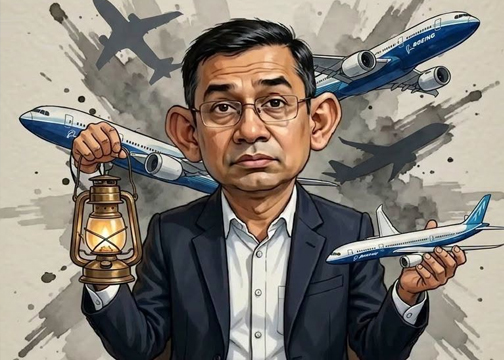
উন্নয়ন নাকি শুল্ক ছাড়ের কূটনীতি: বোয়িং কেনার বিপুল দায় বেতন কাঠামোর এই অভ্যন্তরীণ চাপের মধ্যেই আন্তর্জাতিক বাণিজ্যের টানাপোড়েনে বাংলাদেশ প্রবেশ করেছে এক চরম ব্যয়বহুল কেনাকাটায়। সম্প্রতি যুক্তরাষ্ট্রের সঙ্গে সমঝোতার অংশ হিসেবে বাংলাদেশ প্রায় ৩.৭ বিলিয়ন ডলার (যা বাংলাদেশি মুদ্রায় প্রায় ৪৫ হাজার কোটি টাকা) মূল্যে ১৪টি বোয়িং বিমান কেনার চুক্তিতে পৌঁছেছে। এমনকি মার্কিন প্রতিশ্রুতি অনুযায়ী, এই ক্রয়ের পরিধি আরও কয়েক বিলিয়ন ডলার বাড়তে পারে।
অবশ্য বাংলাদেশ বিমান এয়ারলাইন্সের বহর সম্প্রসারণের প্রয়োজনীয়তা একেবারে উড়িয়ে দেওয়া যায় না। বর্তমানে ১৯টি উড়োজাহাজ নিয়ে পরিচালিত বিমান ২০৩৪-৩৫ সালের মধ্যে বহর ৪৭টিতে উন্নীত করার লক্ষ্য নিয়ে এগোচ্ছে। কিন্তু মূল প্রশ্ন হচ্ছে—এটি কেবলই এভিয়েশন খাতের প্রবৃদ্ধি, নাকি কূটনৈতিক দর-কষাকষির বলির পাঁঠা?
২০২৫ সালে মার্কিন যুক্তরাষ্ট্র বাংলাদেশি পণ্যের ওপর চড়া শুল্ক আরোপের হুমকি দেওয়ার পর বাণিজ্য ঘাটতি কমাতে বাংলাদেশ মার্কিন পণ্য কেনার আশ্বাস দেয়। পরবর্তীতে তৈরি পোশাকের ওপর শুল্ক কমিয়ে ১৯ শতাংশে আনা হয় এবং তার পরপরই বোয়িং চুক্তির ঘোষণা আসে। এছাড়া ইউরোপের এয়ারবাস থেকেও উড়োজাহাজ কেনার প্রস্তাব ঝুলন্ত অবস্থায় রয়েছে।
ভবিষ্যতের ঋণ ও অদূরদর্শী নীতি বোয়িং বিমান কেনার এই বিশাল অঙ্কের অর্থায়নে বিমান বাংলাদেশকে যে অর্থ ঋণ নিতে হবে, তার রাষ্ট্রীয় গ্যারান্টি দিতে হবে সরকারকেই। অর্থাৎ, বিমান যদি ব্যবসায়িক ক্ষতি বা ব্যর্থতার মুখে পড়ে, তবে এই বিলিয়ন ডলার ঋণের দায়ভার এসে পড়বে দেশের সাধারণ জনগণের ঘাড়েই।
মূল্যস্ফীতি নিয়ন্ত্রণের পরিবর্তে ঢালাও বেতন বৃদ্ধি এবং কূটনৈতিক সুবিধা পেতে বিপুল ঋণের বোঝা ঘাড়ে নেওয়া—উভয় সিদ্ধান্তই রাষ্ট্রের দূরদর্শী অর্থনৈতিক পরিকল্পনার অভাবকে ফুটিয়ে তোলে। এই বিপুল রাজস্ব ঘাটতি ও ঋণের দায় সামলে বাংলাদেশ কি টেকসই অর্থনীতি বজায় রাখতে পারবে, নাকি অদূরদর্শিতার মাশুল গুণবে সাধারণ মানুষ—তা এখন সময়ের সবচেয়ে বড় প্রশ্ন।
লেখক: ড. আবুল হাসনাৎ মিল্টন,সাংবাদিক, রাজনৈতিক বিশ্লেষক ও প্রধান সম্পাদক, দ্যা সোর্স নিউজ বাংলা (The Source News Bangla)
Bangladesh finds itself at a strange paradox today, caught between conflicting economic policies and priorities. On one hand, there is an announcement to double or triple the salaries of government employees; on the other, a diplomatic obligation to purchase billions of dollars worth of American Boeing aircraft while carrying a massive debt burden. Together, these factors are pushing the country’s overall economy toward extreme uncertainty.
Government Pay-Scale and Rising Social Disparity While a novice MBBS doctor in the capital earns a monthly salary of 30,000 to 40,000 BDT, that figure drops to a mere 15,000 BDT outside Dhaka. Yet, under the proposed pay scale, a 20th-grade 4th-class government employee will receive over 33,000 BDT per month. Although the government announced after the 8th Pay Scale in 2015 that no further pay commissions would be formed, it has backtracked on that stance a decade later. Under the new structure, salaries are being increased by up to 100 percent for the 1st to 11th grades and up to 141 percent for the 19th and 20th grades. As a result, the starting salary of a 1st-class officer will exceed 70,000 BDT.
Conversely, a large segment of the country’s 6 to 7 million private-sector employees suffers from severe salary inequality. Aside from multinational corporations and a few banks, entry-level salaries in most organizations are deeply disappointing. In addition to stoking resentment, this trend is undermining private sector morale and the ability to retain skilled workforce. According to experts and economists, although inflation has surged by 82 percent over the past 11 years, government employees did not lag behind due to continuous government incentives and annual increments. Therefore, this massive new pay hike will further exacerbate institutional disparity. Furthermore, it remains unclear where the additional funding of over 100,000 crore BDT required annually to implement the new scale will come from, especially given that the current fiscal year has already begun with a revenue deficit of thousands of crores of BDT.
Development or Tariff Diplomacy: The Immense Liability of Purchasing Boeings Amid this internal pressure of pay structures, Bangladesh has entered an extremely expensive acquisition due to international trade tensions. As part of a recent understanding with the United States, Bangladesh reached a deal to purchase 14 Boeing aircraft valued at approximately $3.7 billion (nearly 45,000 crore BDT). Moreover, in line with US commitments, the scope of this purchase could increase by several more billion dollars.
To be sure, the need to expand Biman Bangladesh Airlines' fleet cannot be entirely dismissed. Currently operating with 19 aircraft, Biman aims to expand its fleet to 47 by 2034–35. However, the fundamental question remains: is this purely growth for the aviation sector, or is it a scapegoat of diplomatic bargaining?
After the United States threatened to impose high tariffs on Bangladeshi goods in 2025, Bangladesh assured the purchase of American products to reduce the trade deficit. Subsequently, tariffs on readymade garments were reduced to 19 percent, followed immediately by the announcement of the Boeing deal. Additionally, a proposal to purchase aircraft from Europe's Airbus remains pending.
Future Debt and Short-Sighted Policies To finance the massive sum required for purchasing the Boeing aircraft, Biman Bangladesh will have to take out loans, for which the government must provide state guarantees. In other words, if Biman incurs commercial losses or fails, the burden of this multi-billion-dollar debt will fall squarely on the shoulders of the general public.
Both decisions—indiscriminately hiking salaries instead of controlling inflation, and shouldering a heavy debt burden to secure diplomatic advantages—highlight a lack of visionary economic planning by the state. Whether Bangladesh can maintain a sustainable economy while managing this enormous revenue deficit and debt liability, or whether ordinary citizens will pay the price for this short-sightedness, remains the defining question of our time.
Author: Dr. Abul Hasnat Milton, Journalist, Political Analyst, and Editor-in-Chief, The Source News Bangla